3D product design that makes ads feel real

Turn products into photoreal 3D assets for social, ecommerce and AR, built fast by an embedded growth team.
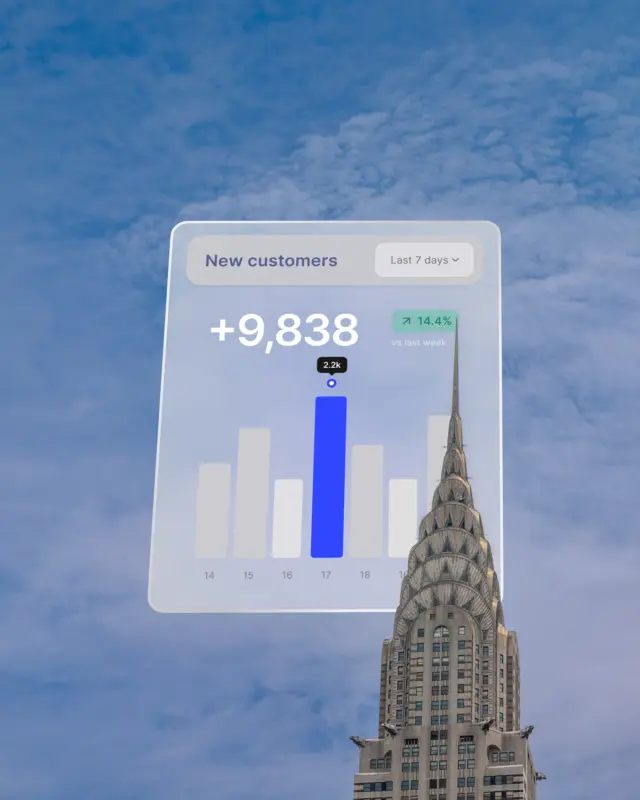
Photoreal CGI, on demand
Unlimited creative production
No contracts, monthly rolling

Full funnel 3D creative system

3D product design is most valuable when it is built for performance, not just aesthetics. We create a reusable asset library and deploy it across your funnel: photoreal renders for social and PDPs, interactive spins for product education, and AR-ready files for try-on and in-room placement. Our team integrates like internal staff and pairs design output with growth testing, so you learn which angles, scenes and interactions actually move conversion, not just clicks.

Awareness: thumb-stopping visuals

Create lifestyle CGI and short 3D animations for Meta, TikTok, Pinterest and LinkedIn. Build scene templates so you can ship new hooks, colours and seasonal variants without organising new shoots.

Engagement: interactive exploration

Deploy 360 spins and WebGL viewers so shoppers can rotate, zoom and inspect details. Add heatmaps and interaction events to understand what people explore, then feed that into retargeting and creative iteration.

Conversion: AR validation moments

Publish USDZ and glTF assets for web AR and platform experiences where buyers can place products in their space or try-on. Use these as high-intent landing assets to reduce uncertainty and improve purchase confidence.

From static to interactive

If your product story relies on tactile details, fit, or setup, static photos and basic videos leave too much doubt. We use 3D product design to show the product from every angle, animate key benefits, and add interactive moments like spins or AR previews. The result is a clearer buyer journey: higher-quality attention at the top, stronger intent signals in the middle, and more confident purchases at the bottom.
  • Reusable asset library
  • Faster creative iteration
  • Clearer product understanding

What we deliver, end to end

Most teams get stuck between a pretty render and something you can actually ship across ads, web and AR. We handle the full workflow: capture or build the model, apply PBR materials, optimise topology for fast loading, and export the right formats for each channel. Then we turn the 3D master into ad-ready variations and performance creatives with rapid iteration, using our proprietary tooling and a real-time dashboard so you can see what is working and where to double down.

3D masters built to reuse

Parametric models or photogrammetry builds, UV unwrapping, texture sets and PBR material libraries. You get a stable master that supports variants, colourways and add-ons without rebuilding from scratch.

Interactive web and AR exports

Polygon-optimised meshes with clean lighting and baked textures for fast load. We export glTF for web viewers and USDZ for iOS AR, and help you validate performance on key devices and browsers.

Ad creative from the model

Product animations, UGC-style composites, contextual lifestyle scenes and motion templates. We generate and test new angles quickly, without commissions on your ad spend, to keep creative output high and learnings tight.
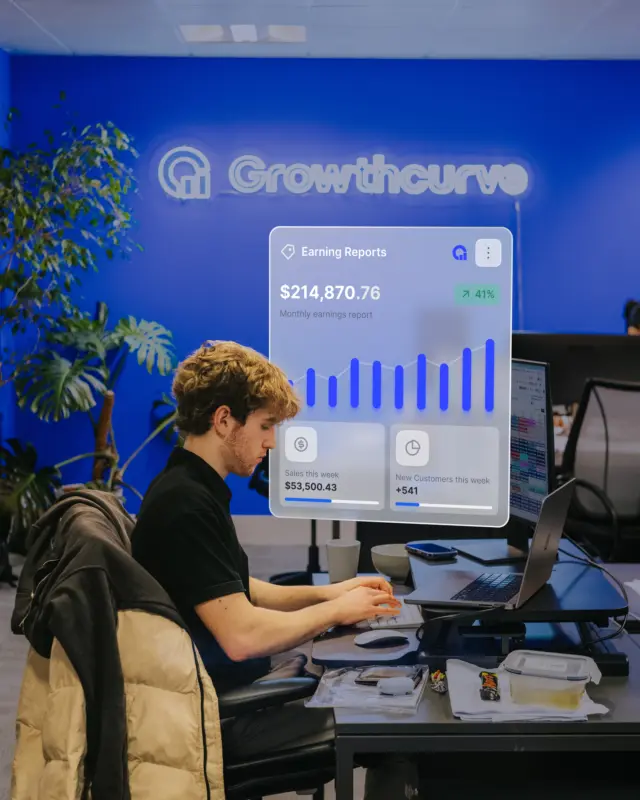
Built for testing and iteration

3D product design pays back when you treat it like a modular marketing system. Instead of one hero render, we create a library of scenes, lighting rigs, materials and animation beats that can be recombined into dozens of ad and PDP variations. That means faster creative cycles, fewer production bottlenecks, and better control of brand consistency. Our growth team prioritises what to build next based on evidence from campaign performance and on-page interaction data, not subjective preference.

Creative testing matrix

Define which variables matter most: angle, background, feature callout, motion, and interaction type. Build a testing plan that maps to your funnel stages and avoids random, hard-to-read experiments.

Performance instrumentation

Track viewer interactions such as rotations, zoom depth, AR sessions and time on model. Use these signals for retargeting segments and to prioritise which product benefits need clearer demonstration.

Speed without headcount

Scale production up or down on demand with a complete embedded marketing department. You avoid the delays and inconsistency of fractional freelancers and do not need long-term hiring to keep output steady.

Less production, more output

Traditional shoots are slow, expensive, and fragile: a small product update can force a full reshoot, and variant expansion becomes a nightmare. With 3D product design, you can generate consistent imagery across colourways and bundles, and create contextual lifestyle scenes without booking locations or talent. Because we include unlimited creative production, you can keep pace with paid media testing and seasonal launches without adding internal headcount.
  • No reshoots for variants
  • Seasonal creative on demand
  • Consistent brand presentation

SEO that compounds, not a checklist

Organic growth is a mix of technical hygiene, content that earns clicks, and authority building that is genuinely deserved. We treat SEO as a product, with a backlog and a cadence, rather than a one-off project. Technical work covers crawlability, site architecture, Core Web Vitals, schema markup and index management. On-page work is driven by search intent and the real questions buyers ask at each stage. Off-page focuses on link earning through useful assets, partnerships and digital PR rather than spam. For example, for a B2B brand we might build a set of comparison pages for demand capture, a small research piece to earn links, and a library of problem-led articles that support sales calls. The outcome is more qualified traffic, better brand credibility, and lower dependency on paid media over time.

Designed for ecommerce realities

Ecommerce wins when buyers feel certain before they click buy. We build 3D assets that load quickly, look accurate, and highlight the details that reduce returns: scale, finish, key dimensions and how the product behaves in real use. For higher-consideration items, we can add configurators and micro-story animations that demonstrate assembly, fit, or feature performance. You get creative that is made to convert, not just to impress.
  • Faster time to market
  • Higher purchase confidence
  • Cross-channel asset consistency
What is included in 3D product design?
We typically deliver a reusable 3D master model, texture and material library (PBR), lighting presets, and outputs tailored to your channels: still renders, short animations, 360 spins, and web or AR-ready files. We also include the practical marketing layer: creative variations, testing plan, and tracking so the 3D work is tied to funnel outcomes, not just a one-off design asset.
How do you create the 3D model accurately?
We start from what you have: CAD files, product measurements, reference photography, or physical samples. Depending on fit, we use parametric modelling, manual modelling, or photogrammetry scanning to capture geometry. Accuracy comes from disciplined checks: scale validation, material calibration against real finishes, and review rounds with your team so the digital model matches what customers receive.
Which formats do you deliver for web and AR?
For web use, glTF is common because it is efficient for WebGL viewers and interactive spins. For iOS AR, USDZ is widely supported. We also provide source files and textures where appropriate so future iterations stay fast. We optimise polygon count, texture sizes, and compression so assets load quickly and look sharp on real devices, not just in a render preview.
Can 3D assets improve ad and PDP performance?
Interactive and photoreal 3D creative can increase engagement and purchase confidence because people can inspect details that static imagery hides. Many brands see stronger dwell time and higher-intent behaviour when 360 views or AR are added. We do not treat it as magic. We pair 3D assets with a testing plan and clear success metrics so you can validate impact for your catalogue and audience.
What is the typical timeline for first outputs?
Timelines depend on product complexity and inputs. As a baseline, a simple product with good references can move from modelling to first render outputs in weeks, not months. More complex items, configurators, or AR flows take longer. We reduce time-to-market by building a reusable master early, then shipping a first set of ad and PDP assets while we expand the library in parallel.
How do you measure success for 3D experiences?
We track both funnel outcomes and interaction signals. Outcomes include CTR, CVR, CPA and return rate trends. Interaction signals include rotations, zoom depth, viewer time, and AR session duration. These events can be used for audience building and retargeting. For example, people who engage deeply with a model can be segmented into higher-intent pools for follow-up creative and offers.
Do you support configurators and virtual try-ons?
Yes. We can build configurators that let users change colours, materials, and components, and we can support try-on style flows where the use case fits, such as jewellery or accessories. The key is scoping for marketing impact: we focus on the few options that drive decisions, keep performance fast, and ensure the experience is instrumented so you can see how it affects intent and conversion.
How does your team work with our internal team?
We integrate like an internal marketing department: shared channels, clear owners, weekly planning, and a single backlog across creative, web and paid. You get a consistent cadence without managing multiple freelancers. Because we are on a monthly rolling basis, you can scale support up or down as launches, seasonal pushes, or new product drops change your creative and channel demands.
When is 3D product design not a good fit?
If you only need a small number of simple images and your product rarely changes, traditional photography can be the fastest path. 3D also may not be ideal when real-world imperfections are the selling point and must be captured exactly. 3D product design works best when you need speed and volume: multiple variants, frequent launches, multi-channel creative, or interactive experiences that reduce uncertainty before purchase.

Lifecycle marketing that increases LTV
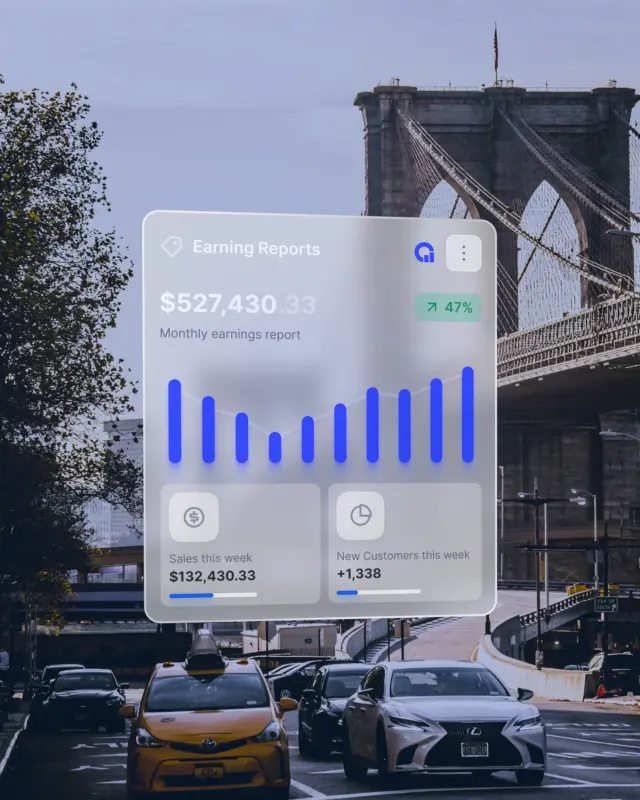
If you only optimise acquisition, you end up paying more for the same customers. We build lifecycle systems that raise retention and expansion, using email, SMS where relevant, and CRM workflows that feel personal without being creepy. We set up segmentation based on behaviour and value, then design flows for onboarding, activation, replenishment, win-back and referral. In practice that can include RFM modelling for ecommerce, lead scoring for B2B, or product usage triggers for SaaS. We also help you capture first-party and zero-party data with preference centres and progressive profiling, so targeting stays resilient as privacy changes. When we ran a lifecycle audit for one team, we found revenue sitting in overlooked moments, like post-purchase education and renewal risk signals. The outcome is a healthier blended CAC and a marketing engine that keeps paying you back.

Measurement you can trust and use

Attribution arguments waste time and block good decisions. We set measurement up so it is good enough to guide spend, creative and roadmap choices, and we are honest about what is knowable. Tracking work can include GA4 hygiene, conversion event design, server-side tracking where appropriate, and consistent UTMs. Reporting lives in a real-time dashboard, with views that match how you run the business, such as channel performance, funnel conversion, cohort retention and creative learnings. We also use incrementality thinking where it matters, like geo holdouts or controlled tests for bigger budget shifts. For example, if brand search rises after a video push, we look at the whole picture rather than declaring victory based on last click. The outcome is faster iteration and fewer surprises in board meetings.

Operating rhythm, SLAs and ways of working

Good marketing is mostly good operations. We set a working rhythm that keeps delivery moving and prevents strategy decks from becoming a comfort blanket. You get a named lead, specialist channel owners, and access to top-tier US and UK talent, scaled up or down based on your needs. We agree response times, approval flows and who owns what across creative, landing pages, tracking and budget changes. Campaign planning happens in short cycles, with clear priorities and a shared backlog, so work does not disappear into a black box. We also help your internal stakeholders, like product, sales and finance, stay aligned with what marketing is doing and why. The outcome is a calm, consistent cadence, less context switching, and a team that behaves like your internal staff while staying on a monthly rolling basis.

Why Growthcurve

Growthcurve is built for teams who want senior thinking and fast delivery without the overhead of building it all in-house. Our marketers have scaled startups to nine-figure valuations, and our clients have raised over $700M in funding, so we understand what investors and boards look for. You get a complete marketing department in one package, with specialists who integrate as your internal staff and can scale up or down as priorities change. We are an official Meta, Google, TikTok and Snap agency partner, and we have a deep creative engine, including unlimited ad creative production, because most growth ceilings are creative ceilings. You also get a proprietary suite of AI marketing tools and a real-time performance dashboard to keep decisions grounded. No long-term contracts, no commission fees on ad spend, just accountable work on a monthly rolling basis.

Book a call

Let's chat about your goals and whether we're a fit.

  1. 1 ABOUT YOU
  2. 2 YOUR NEEDS
  3. 3 BOOKING
I agree to the Privacy Policy

Which of our services do you need?

Type

Size

Funding

We'll email you shortly
Prefer to call now?
USA
+1 (347) 657 3386
UK
+44 203 870 3186