CRM Setup That Improves Lead Flow And Revenue Tracking

We implement and optimise CRM systems so marketing and sales share clean data, reliable reporting, and faster follow-up.
Evidence-led RevOps sprints
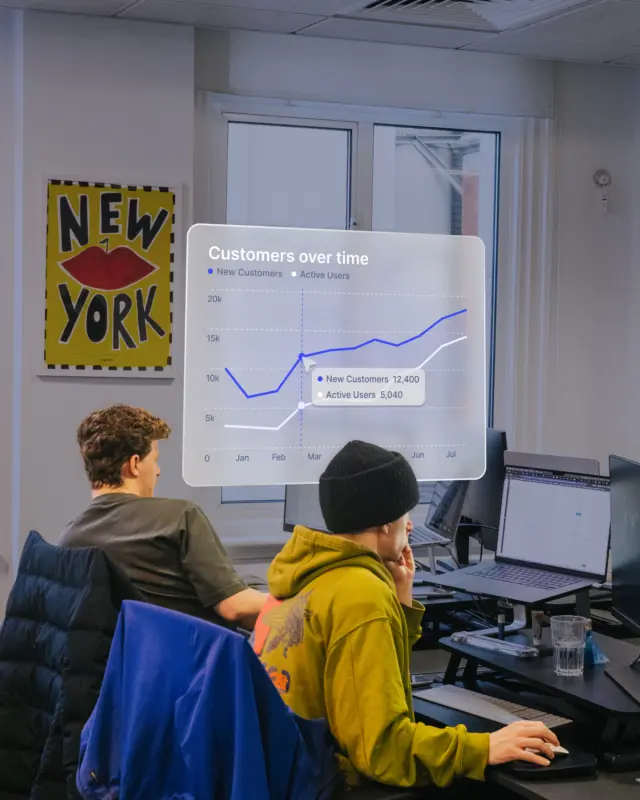
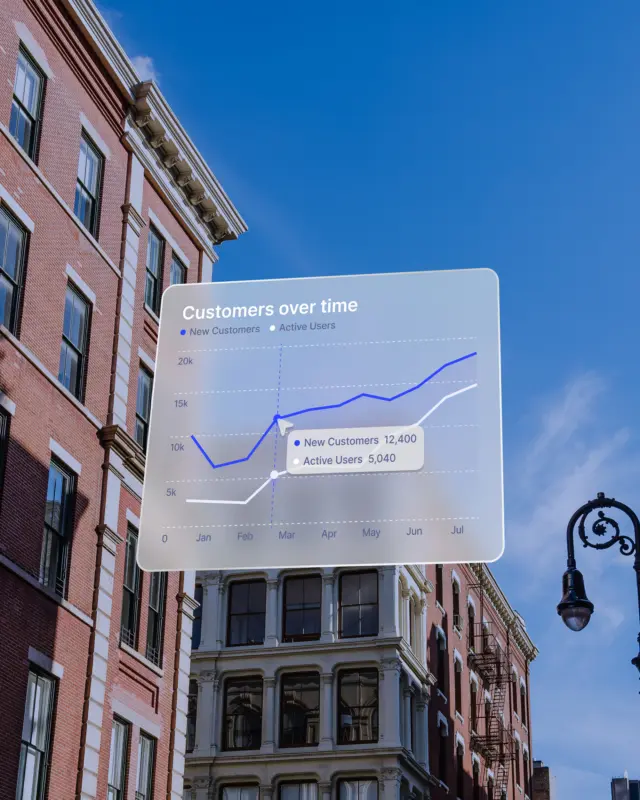
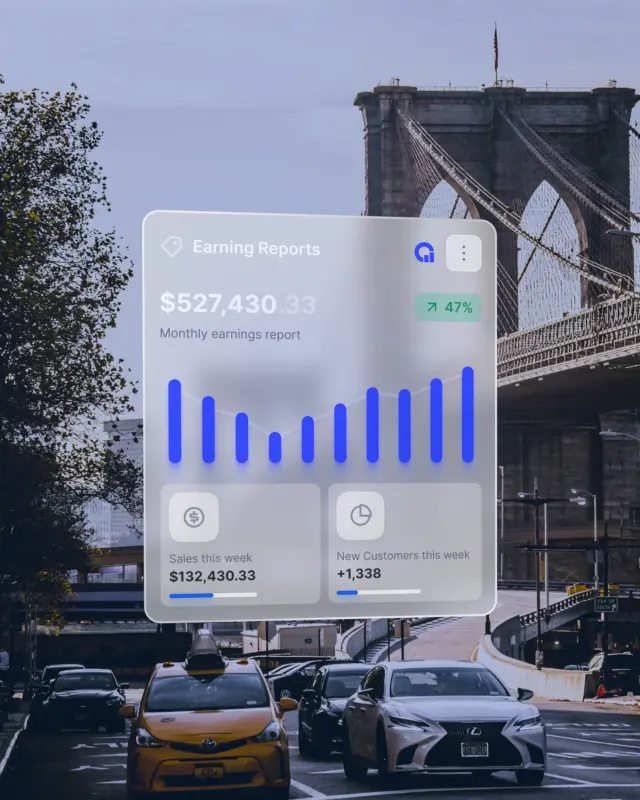
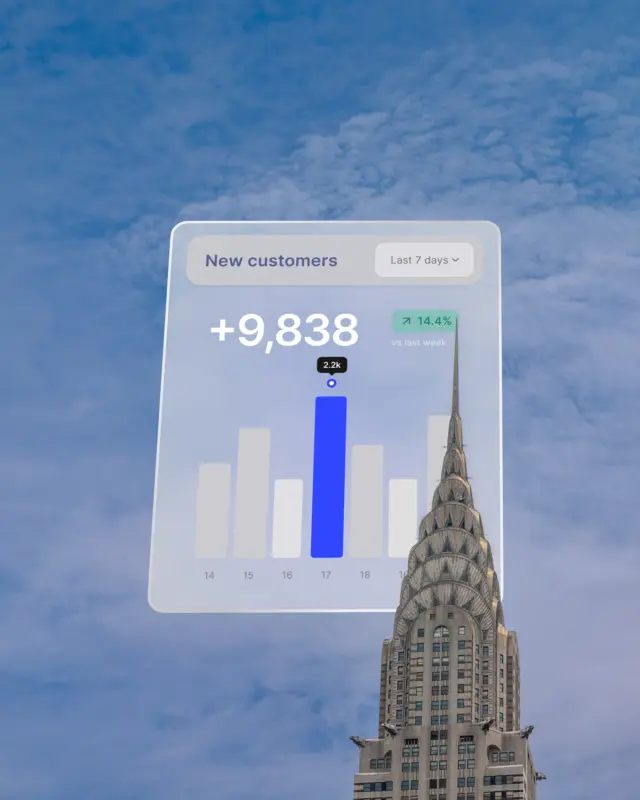
Real-time performance dashboard
Integrates like internal staff

CRM that actually gets used

Most CRM projects fail because they prioritise configuration over adoption. We start with the workflows your teams run daily, then design the minimum structure needed for accurate tracking and consistent follow-up. That means clear stages, clean fields, automation that removes admin, and dashboards that answer real questions. When the CRM is easy to use and reporting is trustworthy, teams update it naturally, forecasting improves, and marketing can optimise against pipeline rather than guesswork.
  • Workflows designed for adoption
  • Clean pipeline and forecasting
  • Less admin, faster follow-up

Funnel, lifecycle, and scoring

A CRM only helps if it reflects how your business actually sells. We map your funnel from lead capture through MQL, SQL, pipeline stages, and closed won, then set up lifecycle stages, lead scoring, and routing rules that remove manual work. This includes aligning definitions between marketing and sales, building SLAs, and creating automation for follow-ups based on behaviour like form fills, demo attendance, or content engagement. The goal is fewer leads falling through cracks and faster response times that lift conversion.

Lifecycle stages and handoffs

Define MQL, SQL, opportunity stages, and handoff triggers, so ownership is clear and leads move through the funnel without delays or confusion.

Lead scoring and qualification rules

Combine behavioural and firmographic scoring to prioritise high intent leads, improving sales focus and reducing time wasted on poor fit enquiries.

Routing, territories, and SLAs

Implement round robin or territory-based routing with response time SLAs, ensuring every lead is assigned quickly and follow-up is consistent.

Automation and journey orchestration

We set up CRM automation so your team can run consistent follow-up across email, SMS, and other channels without relying on spreadsheets and memory. That includes nurture sequences, deal stage automations, task creation, reminders, and re-engagement for stalled opportunities. We also build segmentation that supports personalisation, suppression lists, and clean audience sync to ad platforms. Done well, CRM automation reduces leakage, improves pipeline hygiene, and creates repeatable processes that are easy to scale as volume grows.

Nurture and re-engagement flows

Build sequences based on lifecycle stage and behaviour, keeping prospects warm and bringing back dormant leads with relevant offers and proof.

Sales workflows and task automation

Automate reminders, task queues, and stage movements so reps spend less time on admin and more time on high quality conversations.

Audience sync and suppression

Sync segmented lists to paid channels and suppress converted users, improving efficiency and keeping messaging consistent across the funnel.
Attribution, reporting, and data

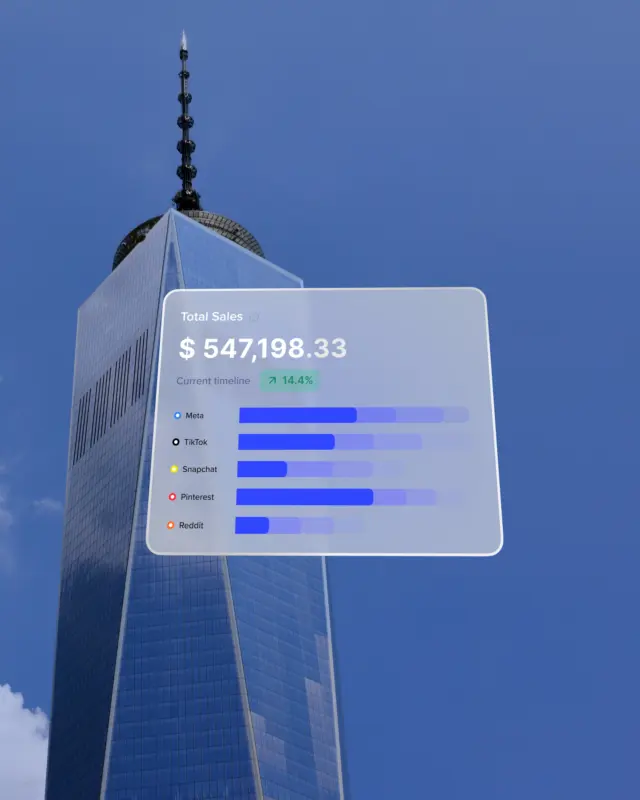
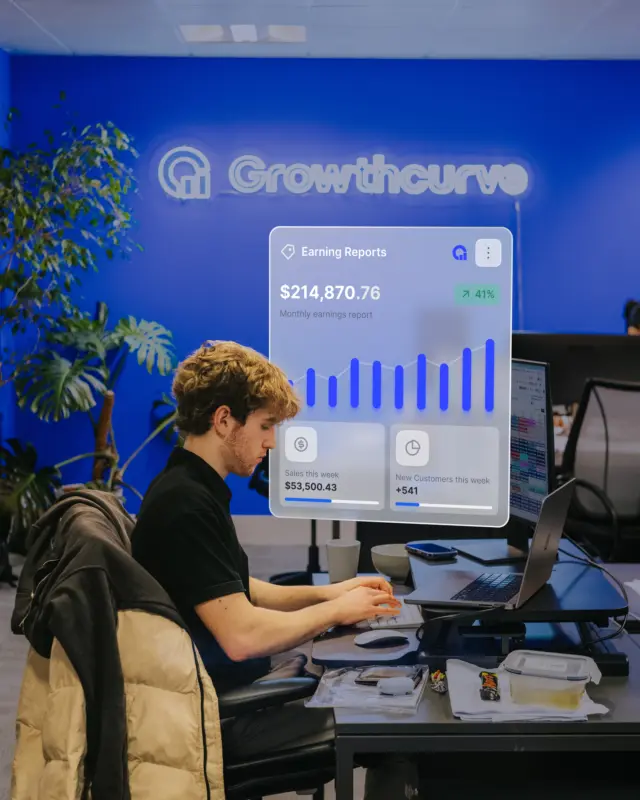
CRM value comes from visibility. We implement tracking and reporting so you can see what sources create pipeline, what converts, and where the funnel leaks. This includes UTM standards, campaign attribution, and closed-loop reporting that connects marketing activity to revenue. Where needed, we integrate tools like GA4, server-side tracking, data warehouses, and workflow automation so data stays consistent across systems. You get a real time dashboard view that supports budget decisions and forecasting, not just activity reporting.

Closed-loop revenue attribution

Connect lead source and campaigns to opportunities and revenue, so you can judge channels on pipeline and cash outcomes, not just leads.

Data hygiene and enrichment

Clean duplicates, standardise fields, and enrich records where appropriate, improving segmentation, routing accuracy, and forecasting reliability.

Dashboards and forecasting views

Build dashboards for pipeline coverage, stage conversion, and deal velocity, helping leadership spot bottlenecks early and plan capacity confidently.

RevOps speed without hiring

Building a strong CRM function usually requires marketing ops, sales ops, data, and automation skills. Hiring those roles takes time and can leave gaps that slow delivery. Growthcurve gives you a complete marketing department in one package, with operators who integrate as internal staff. You can scale resources up or down as priorities change, and you are not locked into long-term contracts because the engagement is monthly rolling.
  • Complete RevOps team included
  • Integrates like in-house
  • Monthly rolling flexibility

Book a discovery call

  1. 1 ABOUT YOU
  2. 2 YOUR NEEDS
  3. 3 BOOKING
I agree to the Privacy Policy

Which of our services do you need?

Type

Size

Funding

We'll email you shortly
Prefer to call now?
USA
+1 (347) 657 3386
UK
+44 203 870 3186

Aligned incentives and visibility

CRM work often gets slowed down by unclear ownership and poor reporting. We run evidence-led sprints with a prioritised backlog, clear delivery, and transparency on what changed and why. You get a real time dashboard view of key metrics like lead response time, pipeline conversion, and stage velocity. Supported by proprietary AI marketing tools, we speed up analysis, segmentation, and operational decisions, helping teams break through growth ceilings caused by data and process friction.
  • Evidence-led CRM improvements
  • Real time dashboard visibility
  • AI tooling speeds ops work
What is a CRM and why does it matter?
A CRM is the system that stores customer and lead data and helps teams manage follow-up, pipeline, and reporting. It matters because it is the bridge between marketing activity and revenue outcomes. When CRM data is clean and workflows are consistent, you can see which channels create pipeline, route leads quickly, forecast reliably, and improve conversion rates. When it is messy, teams lose leads, reports are untrustworthy, and growth decisions become guesswork.
How do you define lifecycle stages like MQL and SQL?
We define lifecycle stages based on how your business actually qualifies and sells. Marketing and sales agree on what qualifies as a lead, what makes someone marketing qualified, and what triggers a sales handoff. We then implement those definitions in the CRM using clear criteria, automation, and reporting. This makes ownership unambiguous, improves response times, and reduces disputes about lead quality. The result is a smoother funnel and better conversion from lead to opportunity.
What is lead scoring and how should it work?
Lead scoring prioritises leads based on signals that correlate with buying intent and fit. We typically combine behavioural signals, such as page visits, email clicks, and webinar attendance, with firmographic or demographic fit. The goal is practical: help sales focus on the best leads first and trigger the right follow-up automatically. We validate scoring against outcomes like SQL rate and win rate, then refine it over time as you learn which behaviours predict pipeline and revenue.
How do you stop leads falling through the cracks?
Leads get lost when routing is unclear, follow-up is manual, or ownership changes without visibility. We fix this with routing rules, automated task creation, and response time SLAs that make the next step unavoidable. We also set up dashboards and alerts for unworked leads, stalled opportunities, and stage ageing. The goal is to turn follow-up into a repeatable system. This improves speed-to-lead and conversion without hiring extra headcount.
Can a CRM help with marketing attribution and reporting?
Yes, if attribution is designed properly. We implement UTM standards, campaign mapping, and closed-loop reporting so you can connect lead source and campaign data to pipeline and revenue. We also account for the fact that attribution is imperfect. In many cases, multi-touch views and blended reporting provide better decision inputs than relying on a single last-click model. The aim is to understand what is driving growth and allocate budget with confidence.
What CRM integrations are most important to set up?
The most important integrations are the ones that affect data quality and speed. That usually includes form and lead capture, email and calendar, analytics, ads platforms, and your product or billing system where relevant. We prioritise integrations that reduce manual entry and improve reporting consistency. If you use a data warehouse or reverse ETL, we can also align schemas and syncing so your CRM stays a reliable source of truth for teams and dashboards.
How do you improve CRM data hygiene over time?
Data hygiene improves when the system makes good behaviour easy. We reduce required fields, standardise picklists, and automate enrichment where it adds value. We also implement deduplication rules and periodic clean-up routines. Most importantly, we design workflows so the CRM is updated as a by-product of doing the work, not an extra admin step. That improves adoption and keeps reporting accurate. Clean data makes segmentation, routing, and forecasting far more reliable.
How do you make sure the CRM gets adopted?
Adoption comes from usability and trust. We build a CRM that matches real workflows, removes unnecessary fields, and uses automation to cut admin. Teams will not adopt a system that slows them down. We also ensure reporting is accurate, because when dashboards are trusted, leaders use them and teams keep data updated. Training is focused on the smallest set of actions users must take daily, supported by simple rules and checklists that keep consistency high.
What happens in the first month of CRM work?
We start with a rapid audit of your current CRM setup, funnel definitions, and reporting gaps. Then we agree the key outcomes, such as improved lead routing, clearer lifecycle stages, or better attribution, and build a prioritised backlog. In the first month we implement the highest impact fixes and launch a weekly operating cadence. You get visibility through a real time dashboard. To get started, book a call and we will map the fastest path. Book a call

Creator Content

Creator Content that integrates authentic influencer relationships with full funnel growth

Learn more

PPC

Access top PPC talent and strategies to boost growth and outsmart competitors

Learn more

App Store Optimisation

Improve app rankings and maximize installs with expert App Store Optimisation services

Learn more

Conversion Rate Optimisation

Maximize your conversions with our world-class conversion rate optimisation team

Learn more

Facebook Ads

Maximize your Facebook Ads with our expert team—achieve unprecedented results

Learn more

Retargeting

Re-engage unconverted leads with personalized retargeting—right message, right time

Learn more

Growth Marketing

Systematically grow your key metrics monthly with our growth marketing subscription

Learn more

Creative Production

Expert creative production of high-performance ads for any channel

Learn more

Landing Pages

Boost conversion rates with landing pages optimized through data-driven experimentation

Learn more

Hire Our Leading Digital Marketing Agency

Leave your details and our team will respond within 24 hours

  1. 1 ABOUT YOU
  2. 2 YOUR NEEDS
  3. 3 BOOKING
I agree to the Privacy Policy

Which of our services do you need?

Type

Size

Funding

We'll email you shortly
Prefer to call now?
USA
+1 (347) 657 3386
UK
+44 203 870 3186