Go To Market Agency For Faster Launches And Pipeline

Turn positioning into demand and revenue with a clear GTM plan, weekly execution, and reporting tied to pipeline.
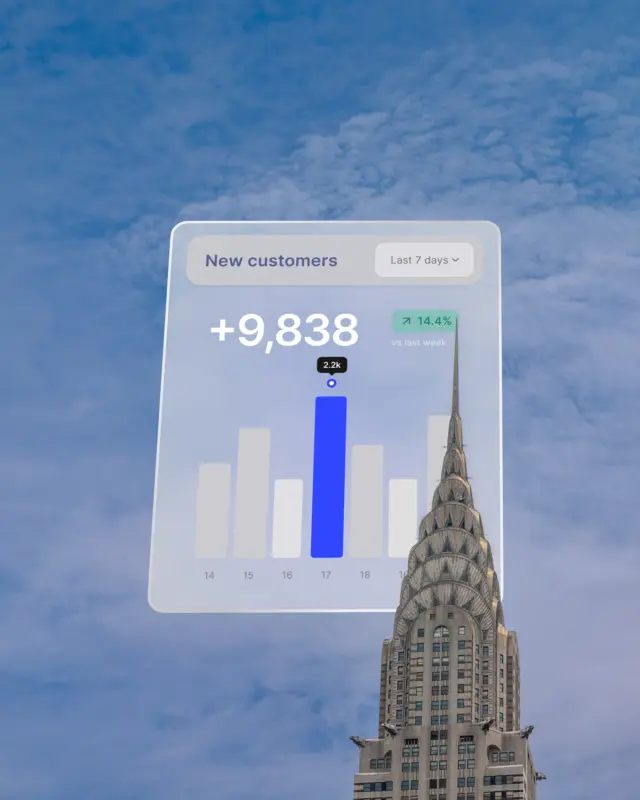
GTM strategy plus execution
Embedded team, weekly sprints
Evidence-led decision making

GTM foundations that work

A go to market agency exists to turn product truth into predictable acquisition. We start with the four basics: what you sell, who you sell to, why you win, and how demand becomes revenue. That means market and competitor analysis, ICP segmentation, positioning, and a messaging architecture that holds up across channels and sales conversations. We then define the channel mix and the commercial model so unit economics are realistic. The result is a GTM plan that your team can execute, not a document that sits in a folder.

Market and ICP research

Map segments, pain points, and buying behaviour, then define ICP and personas you can target with confidence across marketing and sales.

Positioning and value proposition

Clarify why you win versus alternatives, turn it into proof-led messaging, and align it to funnel stages from awareness to decision.

Pricing and packaging inputs

Pressure test the commercial model, offers, and packaging so demand generation has a clear path to payback and expansion, not just signups.

From plan to execution

Most GTM projects fail because they stop at strategy. Teams get a new positioning statement, but nothing changes in the market: ads stay the same, the website does not convert, and sales does not have a new playbook. We close the gap by pairing GTM thinking with delivery. You get a weekly cadence that ships campaigns, landing pages, and enablement assets, with reporting tied to pipeline and conversion so you can see progress quickly.
  • Strategy paired with delivery
  • Weekly cadence and learning
  • Pipeline-focused reporting

Channel plan and demand gen

GTM is only real when it reaches the market. We design a channel strategy that matches where your buyers learn, compare, and buy, then we execute across the funnel. That can include SEO and content for demand capture, paid search and paid social for controlled scale, partner and community plays for credibility, and nurture for longer cycles. We build the operating cadence, creative pipeline, and measurement so you can see what is working and why. Our goal is predictable pipeline and learning velocity, not sporadic campaigns.

Demand capture and SEO

Win high intent searches with technical SEO, content designed for commercial intent, and pages that convert, so demand capture compounds over time.

Paid acquisition with testing

Launch paid programmes with a clear creative testing plan, clean conversion tracking, and budgets scaled only when conversion and payback are proven.

Nurture and sales enablement

Build lifecycle sequences and collateral that answer objections by stage, improving MQL to SQL progression and making sales follow-up easier.
Sales process and measurement

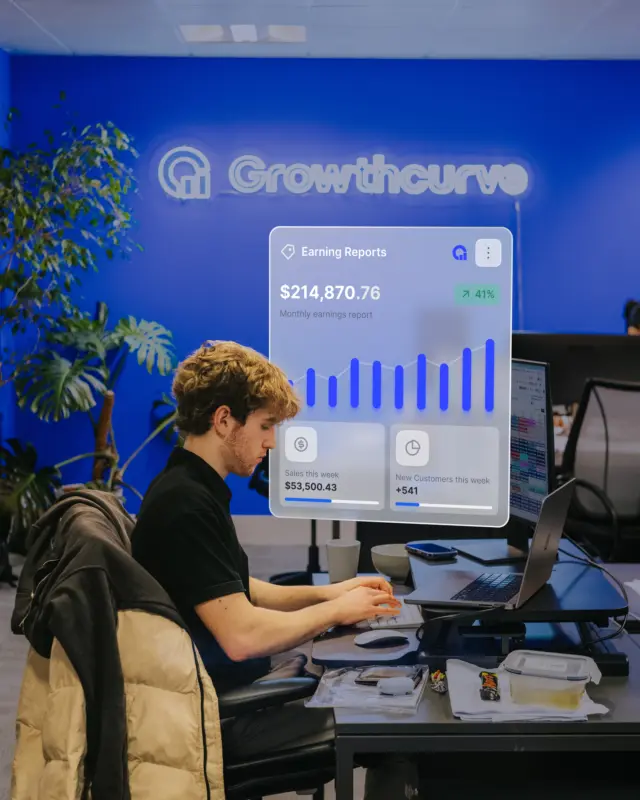
A GTM plan breaks when marketing and sales measure different things. We align funnel definitions, qualification criteria, and reporting so everyone agrees what good looks like. That includes defining lead stages, handoffs, and the sales playbook that supports objections, security checks, ROI validation, and implementation concerns. We then track performance through a real time dashboard and a weekly cadence, so decisions are made quickly. This reduces launch thrash and helps teams scale beyond early wins into repeatable growth.

Stage definitions and SLAs

Agree MQL and SQL criteria, routing rules, and follow-up expectations, so pipeline quality improves and leads are not wasted.

Playbooks and objections

Build sales enablement that matches buyer stage, including objection handling and proof, so the team converts more opportunities consistently.

Dashboards and decision loops

Report on pipeline, conversion rates, and payback in one place, then run a weekly rhythm that turns data into actions and new tests.

Complete team included

A go to market launch touches many skills at once: research, messaging, design, creative, paid media, SEO, analytics, and conversion optimisation. One hire or a small agency team cannot cover that breadth at speed. Growthcurve gives you a complete marketing department in one package, integrating like internal staff. You can scale specialist resources up or down, avoid unreliable freelancers, and keep momentum with a monthly rolling engagement rather than a long contract.
  • Complete department in one package
  • Scale specialists on demand
  • Monthly rolling, no lock-in

SEO that compounds, not a checklist

Organic growth is a mix of technical hygiene, content that earns clicks, and authority building that is genuinely deserved. We treat SEO as a product, with a backlog and a cadence, rather than a one-off project. Technical work covers crawlability, site architecture, Core Web Vitals, schema markup and index management. On-page work is driven by search intent and the real questions buyers ask at each stage. Off-page focuses on link earning through useful assets, partnerships and digital PR rather than spam. For example, for a B2B brand we might build a set of comparison pages for demand capture, a small research piece to earn links, and a library of problem-led articles that support sales calls. The outcome is more qualified traffic, better brand credibility, and lower dependency on paid media over time.

Speed without guesswork

Launches get delayed when teams argue about opinions and attribution. We use an evidence-led approach with clear hypotheses, prioritised sprints, and measurement you can trust. Unlimited ad creative production keeps testing velocity high, and our real time performance dashboard keeps stakeholders aligned on what changed and why. We also do not charge commission on ad spend, so we can recommend the right budget for the stage, not the budget that maximises fees.
  • Evidence-led GTM execution
  • Unlimited creative production
  • No commission on spend
What does a go to market agency do?
A go to market agency builds and executes the plan that connects a product to revenue. It clarifies who you sell to, why you win, how you reach buyers, and how sales converts demand into customers. That includes market and competitor analysis, ICP and persona definition, positioning and messaging, channel strategy, pricing inputs, sales enablement, launch planning, and post-launch optimisation. The goal is a repeatable acquisition system, not a one-off launch.
When should you hire a go to market agency?
Hire a go to market agency when you need speed and coordination across functions. Common moments include a new product launch, a repositioning, entering a new market, or when growth has plateaued beyond what channel tweaks can fix. If you are still searching for product market fit, the work should focus on learning and messaging validation rather than scaling budgets. A good agency will help you choose the right objective for your stage.
What deliverables should a GTM engagement include?
You should expect deliverables that translate into action: ICP and persona definitions, positioning and messaging architecture, channel plan, offer and packaging recommendations, and a launch plan with owners and timelines. You should also expect execution deliverables like landing pages, paid campaigns, content, and sales enablement assets. If an agency only delivers a strategy deck without a delivery cadence, the GTM plan will not reach the market fast enough.
How do you align marketing and sales during GTM?
Alignment starts with shared definitions: ICP, pipeline stages, MQL and SQL criteria, and what evidence is needed to progress a deal. We then build messaging and enablement that sales can use at each stage, from early education to ROI and security validation. Finally, we set a cadence for reviewing pipeline quality and conversion rates together. This removes the usual blame loop and makes optimisation decisions faster and more objective.
How do you choose the right channels for GTM?
Channel selection is driven by buyer behaviour and unit economics. We look at where buyers discover solutions, how they prefer to evaluate, and what channels can produce acceptable CAC payback for your ACV and margins. We typically blend demand capture channels like search with demand creation channels like paid social and content distribution. We then add nurture and retargeting to support longer cycles. The plan is tested and refined based on evidence, not assumptions.
Can you support product-led growth and self-serve funnels?
Yes. GTM can be sales-led, product-led, or hybrid. For PLG, the focus shifts to reducing friction: trial or freemium onboarding, activation metrics, and lifecycle messaging that moves users to value quickly. We align product, marketing, and sales around clear activation events and upgrade triggers, then build acquisition and nurture that brings the right users into the product. Measurement is tied to activation, conversion to paid, and retention cohorts.
How long does a go to market project take?
Timing depends on complexity, but a practical GTM cycle has two parts: a fast diagnostic and then shipping. You can typically baseline ICP, positioning, and measurement quickly, then launch and iterate in weekly sprints. For many teams, early improvements come from tightening messaging, improving conversion paths, and running initial paid and content tests. Compounding channels like SEO take longer, but the launch should not wait for everything to be perfect.
How do you measure GTM success after launch?
We measure success through funnel metrics tied to revenue: conversion rates by stage, SQL volume and quality, pipeline created, velocity, win rates, and CAC payback. We also track leading indicators like landing page conversion, meeting show rate, and nurture engagement. Because early data can be noisy, we focus on learning velocity and clear experiments. The goal is to move from assumptions to repeatable growth drivers that scale responsibly.
How do we start with Growthcurve as our GTM agency?
We start with a short discovery to understand your product, ICP, sales motion, and current funnel performance. Then we outline a first sprint: what we will ship, what we will measure, and the access we need. You get a complete marketing department in one package, unlimited ad creative production, and a real time performance dashboard. If you want GTM strategy plus execution on a monthly rolling basis, book a call. Book a call

Lifecycle marketing that increases LTV
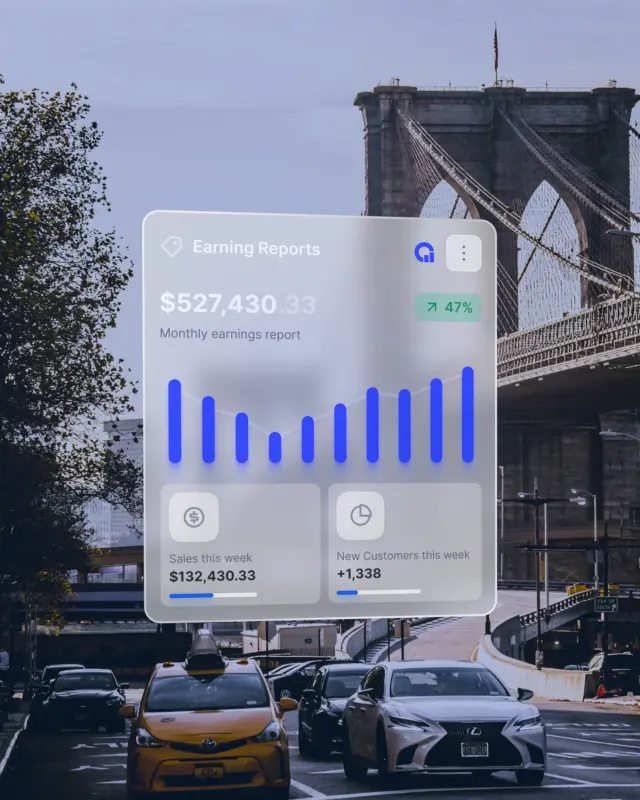
If you only optimise acquisition, you end up paying more for the same customers. We build lifecycle systems that raise retention and expansion, using email, SMS where relevant, and CRM workflows that feel personal without being creepy. We set up segmentation based on behaviour and value, then design flows for onboarding, activation, replenishment, win-back and referral. In practice that can include RFM modelling for ecommerce, lead scoring for B2B, or product usage triggers for SaaS. We also help you capture first-party and zero-party data with preference centres and progressive profiling, so targeting stays resilient as privacy changes. When we ran a lifecycle audit for one team, we found revenue sitting in overlooked moments, like post-purchase education and renewal risk signals. The outcome is a healthier blended CAC and a marketing engine that keeps paying you back.

Measurement you can trust and use

Attribution arguments waste time and block good decisions. We set measurement up so it is good enough to guide spend, creative and roadmap choices, and we are honest about what is knowable. Tracking work can include GA4 hygiene, conversion event design, server-side tracking where appropriate, and consistent UTMs. Reporting lives in a real-time dashboard, with views that match how you run the business, such as channel performance, funnel conversion, cohort retention and creative learnings. We also use incrementality thinking where it matters, like geo holdouts or controlled tests for bigger budget shifts. For example, if brand search rises after a video push, we look at the whole picture rather than declaring victory based on last click. The outcome is faster iteration and fewer surprises in board meetings.

Operating rhythm, SLAs and ways of working

Good marketing is mostly good operations. We set a working rhythm that keeps delivery moving and prevents strategy decks from becoming a comfort blanket. You get a named lead, specialist channel owners, and access to top-tier US and UK talent, scaled up or down based on your needs. We agree response times, approval flows and who owns what across creative, landing pages, tracking and budget changes. Campaign planning happens in short cycles, with clear priorities and a shared backlog, so work does not disappear into a black box. We also help your internal stakeholders, like product, sales and finance, stay aligned with what marketing is doing and why. The outcome is a calm, consistent cadence, less context switching, and a team that behaves like your internal staff while staying on a monthly rolling basis.

Why Growthcurve

Growthcurve is built for teams who want senior thinking and fast delivery without the overhead of building it all in-house. Our marketers have scaled startups to nine-figure valuations, and our clients have raised over $700M in funding, so we understand what investors and boards look for. You get a complete marketing department in one package, with specialists who integrate as your internal staff and can scale up or down as priorities change. We are an official Meta, Google, TikTok and Snap agency partner, and we have a deep creative engine, including unlimited ad creative production, because most growth ceilings are creative ceilings. You also get a proprietary suite of AI marketing tools and a real-time performance dashboard to keep decisions grounded. No long-term contracts, no commission fees on ad spend, just accountable work on a monthly rolling basis.

Book a call

Let's chat about your goals and whether we're a fit.

  1. 1 ABOUT YOU
  2. 2 YOUR NEEDS
  3. 3 BOOKING
I agree to the Privacy Policy

Which of our services do you need?

Type

Size

Funding

We'll email you shortly
Prefer to call now?
USA
+1 (347) 657 3386
UK
+44 203 870 3186