Lifecycle Marketing Agency That Lifts Retention and LTV
Build lifecycle journeys that convert new customers faster, reduce churn, and grow repeat revenue across email, SMS, and in-app.
What lifecycle marketing actually is
A lifecycle marketing agency owns the customer journey after the click. Instead of only driving new traffic, it builds the systems that increase activation, retention, and expansion, so acquisition becomes more profitable. The work typically includes journey mapping, behavioural segmentation, automated flows across email and SMS, and ongoing experimentation. When done well, lifecycle marketing reduces churn, increases repeat revenue, and improves LTV to CAC, especially as paid media gets more expensive and tracking gets harder.
Journey mapping by lifecycle stage
Define what users need at onboarding, first purchase or activation, repeat usage, and win-back. Each stage gets its own message, offer, and trigger based on real behaviour.
Behavioural segmentation and triggers
Segment by actions and value, not just demographics. Use triggers like product usage, browse depth, RFM bands, and drop-off points to send timely messages that feel relevant.
Continuous testing and optimisation
Run structured tests on subject lines, offers, timing, and creative. We prioritise experiments that move activation, repeat purchase, and churn, not superficial open rate wins.
Where retention leaks happen
- Higher activation to first value
- Lower churn and reactivation cost
- More repeat revenue per customer
Core flows we build and run
Lifecycle results come from a small number of high-impact flows, built properly and improved over time. We start with the basics that unlock immediate revenue and retention: welcome and onboarding, abandonment, post-purchase education, replenishment or repeat purchase, and win-back. Then we layer in value-based personalisation and cross-sell logic. Creative and copy are produced in-house, so you can refresh messages quickly and avoid fatigue across channels.
Welcome and onboarding series
Turn new sign-ups into activated users with clear steps, proof, and early value. We align messaging to the first success moment and remove friction that causes early drop-off.
Abandonment and intent recovery
Recover lost revenue with cart, browse, and lead abandonment sequences. We test timing, incentives, and creative so you win back intent without training customers to wait for discounts.
Win-back, upsell, and referrals
Reactivate lapsed users and expand revenue with usage or purchase triggers. We build cross-sell bundles, upgrade prompts, and referral loops to increase LTV without increasing CAC.
Data, tooling, and governance
Lifecycle marketing depends on first-party data you can trust. We audit events, identities, and customer properties, then set up segmentation that reflects value and intent. Where needed, we connect data sources into a cleaner view, so triggers fire correctly and reporting matches reality. We also build dashboards and guardrails for deliverability, compliance, and frequency control. The aim is scalable personalisation, without messy lists, noisy automations, or risky handling of customer data.
First-party data and events audit
Validate key events, properties, and identity rules so segments are accurate. This prevents broken triggers, misfired flows, and reporting that overstates performance.
RFM and cohort-based segmentation
Group customers by recency, frequency, and value, then tailor messaging by cohort. This increases relevance and helps you protect margins by targeting incentives carefully.
Deliverability and frequency controls
Set sending domains, list hygiene, and frequency caps so messages land reliably. We reduce unsubscribes and fatigue by coordinating email and SMS rather than blasting both.
How Growthcurve runs lifecycle
- Strategy plus hands-on build
- Unlimited creative production included
- Weekly cadence and accountability
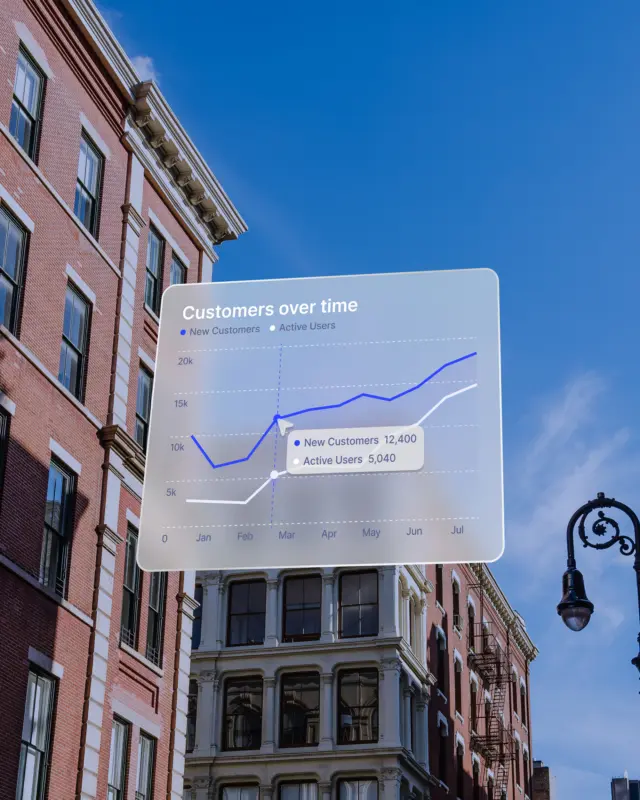
SEO that compounds, not a checklist
Organic growth is a mix of technical hygiene, content that earns clicks, and authority building that is genuinely deserved. We treat SEO as a product, with a backlog and a cadence, rather than a one-off project. Technical work covers crawlability, site architecture, Core Web Vitals, schema markup and index management. On-page work is driven by search intent and the real questions buyers ask at each stage. Off-page focuses on link earning through useful assets, partnerships and digital PR rather than spam. For example, for a B2B brand we might build a set of comparison pages for demand capture, a small research piece to earn links, and a library of problem-led articles that support sales calls. The outcome is more qualified traffic, better brand credibility, and lower dependency on paid media over time.
When this is a fit
- Best for retention-led growth
- Works with steady acquisition
- Not for random blasts
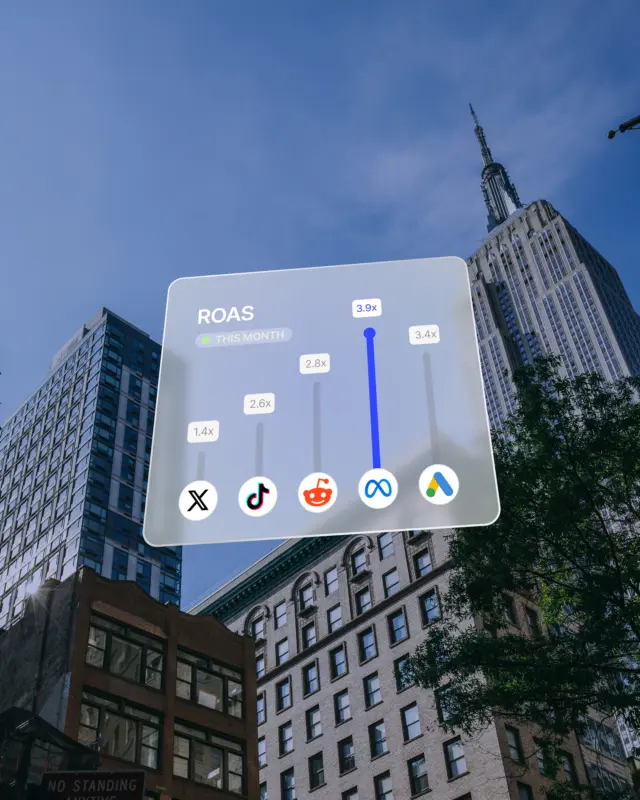
Lifecycle marketing that increases LTV
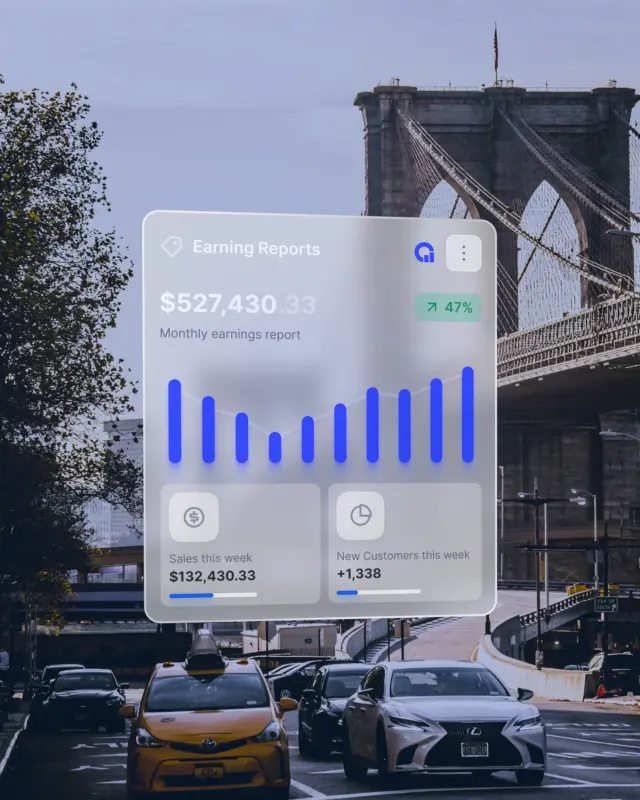
If you only optimise acquisition, you end up paying more for the same customers. We build lifecycle systems that raise retention and expansion, using email, SMS where relevant, and CRM workflows that feel personal without being creepy. We set up segmentation based on behaviour and value, then design flows for onboarding, activation, replenishment, win-back and referral. In practice that can include RFM modelling for ecommerce, lead scoring for B2B, or product usage triggers for SaaS. We also help you capture first-party and zero-party data with preference centres and progressive profiling, so targeting stays resilient as privacy changes. When we ran a lifecycle audit for one team, we found revenue sitting in overlooked moments, like post-purchase education and renewal risk signals. The outcome is a healthier blended CAC and a marketing engine that keeps paying you back.
Measurement you can trust and use
Attribution arguments waste time and block good decisions. We set measurement up so it is good enough to guide spend, creative and roadmap choices, and we are honest about what is knowable. Tracking work can include GA4 hygiene, conversion event design, server-side tracking where appropriate, and consistent UTMs. Reporting lives in a real-time dashboard, with views that match how you run the business, such as channel performance, funnel conversion, cohort retention and creative learnings. We also use incrementality thinking where it matters, like geo holdouts or controlled tests for bigger budget shifts. For example, if brand search rises after a video push, we look at the whole picture rather than declaring victory based on last click. The outcome is faster iteration and fewer surprises in board meetings.
Operating rhythm, SLAs and ways of working
Good marketing is mostly good operations. We set a working rhythm that keeps delivery moving and prevents strategy decks from becoming a comfort blanket. You get a named lead, specialist channel owners, and access to top-tier US and UK talent, scaled up or down based on your needs. We agree response times, approval flows and who owns what across creative, landing pages, tracking and budget changes. Campaign planning happens in short cycles, with clear priorities and a shared backlog, so work does not disappear into a black box. We also help your internal stakeholders, like product, sales and finance, stay aligned with what marketing is doing and why. The outcome is a calm, consistent cadence, less context switching, and a team that behaves like your internal staff while staying on a monthly rolling basis.