Marketing Analytics Agency That Turns Data Into Decisions

We unify marketing and revenue data, fix tracking, and build dashboards that make budget and growth decisions simple.
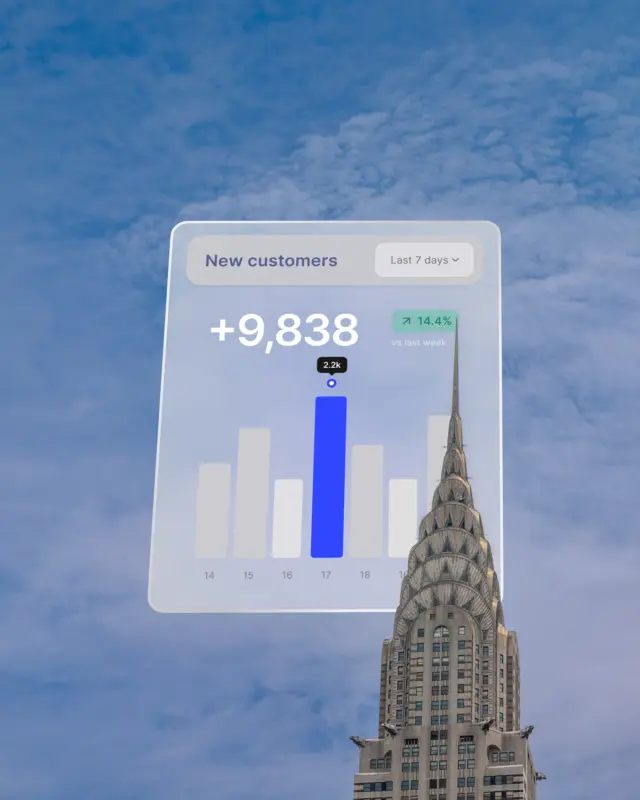
Real-time performance dashboard
Evidence-led weekly experiments
Proprietary AI marketing tools

What a marketing analytics agency does

A marketing analytics agency turns scattered channel data into a single, decision-ready view of performance. That usually means fixing tracking foundations, standardising UTMs and conversion definitions, and unifying data from ads, web analytics, CRM, and revenue systems. Once the data is trustworthy, analytics becomes a growth lever: you can spot funnel leakage, understand channel profitability, and allocate budget with confidence. In a privacy-first world, the goal is not perfect attribution, it is measurement you can act on.

Data unification across the funnel

Connect web analytics, ad platforms, and CRM revenue so you can follow the journey from click to customer. This reduces reporting disputes and makes channel decisions faster.

Dashboards that drive actions

Build dashboards that answer real questions: what is profitable, what is declining, and what to test next. We include clear definitions and guardrails, not vanity charts.

Attribution and incrementality thinking

Move beyond platform claims by using sensible attribution and simple tests to validate lift. This helps separate real growth from reporting noise and double counting.

Common analytics problems we fix

Most teams do not lack data. They lack trust in the data. Typical issues include inconsistent UTMs, duplicated conversions, broken event tracking, and dashboards that do not match revenue numbers. When measurement is unreliable, teams argue about attribution instead of improving performance. We fix the foundation, align on definitions, and make reporting decision-ready so growth work moves faster.
  • Single source of truth
  • Less reporting debate
  • Faster budget decisions

Our analytics setup and workflow

We start with a fast diagnostic: tracking health, event taxonomy, UTMs, and conversion definitions. Then we build a practical data model that connects marketing activity to outcomes, usually through a clean dashboard and a weekly review cadence. The aim is to replace spreadsheet drift and platform contradictions with one agreed source of truth. From there, analytics supports execution: creative and channel tests, budget reallocations, and fixing funnel drop-off.

Tracking audit and data hygiene

Review GTM, GA4 events, UTMs, pixels, and CRM fields. We fix common breakpoints like duplicate conversions, missing parameters, and inconsistent naming that ruins reporting.

Unified KPIs and definitions

Align on metrics that matter: CAC, payback, pipeline, conversion rates, and retention. Clear definitions prevent teams optimising different numbers and arguing in meetings.

Weekly insights and decision notes

We do not just send reports. Each week we document what moved, why it likely moved, and what we will do next. This keeps analytics tied to action.

Attribution, MMM, and forecasting

Different decisions need different measurement. For weekly optimisation, we use directional attribution and tight experiment design to pick winners. For strategic planning, we build a high-level view of media mix and scenario forecasting to understand trade-offs across channels. We also support cohort views of LTV and payback, so growth is judged on unit economics, not short-term platform ROAS. The outcome is a measurement system that is realistic, not fragile.

Multi-touch attribution for optimisation

Use consistent models and clean conversions to understand channel assist and pathing. This informs budget reallocations and creative prioritisation without over-trusting any single platform report.

Incrementality testing for confidence

Validate whether spend creates lift using practical tests like geo splits or holdouts where appropriate. This helps leadership avoid scaling channels that only look good in attribution.

Cohort LTV and payback forecasting

Track LTV, churn, and payback by cohort so you see true profitability. This aligns growth decisions with finance realities and supports scaling without surprises.

Why Growthcurve works faster

Analytics is only useful if it changes what you do. We combine measurement with execution, so insights turn into creative tests, landing page fixes, and channel reallocations without delay. The pod integrates with your team, so implementation does not stall behind handoffs. You also keep incentives aligned: no commission on ad spend and flexible month-to-month terms. We focus on improving unit economics, not producing prettier reports.
  • Insights tied to execution
  • Embedded team, weekly sprints
  • No ad spend commission

SEO that compounds, not a checklist

Organic growth is a mix of technical hygiene, content that earns clicks, and authority building that is genuinely deserved. We treat SEO as a product, with a backlog and a cadence, rather than a one-off project. Technical work covers crawlability, site architecture, Core Web Vitals, schema markup and index management. On-page work is driven by search intent and the real questions buyers ask at each stage. Off-page focuses on link earning through useful assets, partnerships and digital PR rather than spam. For example, for a B2B brand we might build a set of comparison pages for demand capture, a small research piece to earn links, and a library of problem-led articles that support sales calls. The outcome is more qualified traffic, better brand credibility, and lower dependency on paid media over time.

Who this is best for

This is for teams spending meaningful budget across multiple channels, where reporting disagreements slow decisions. It is also a fit when leadership needs clearer CAC, payback, and profitability by cohort. It is not ideal for teams that only want a one-off dashboard with no operational change. Measurement compounds when you review weekly, run disciplined tests, and implement learnings quickly across creative, media, and conversion.
  • Best for multi-channel spend
  • Built for unit economics focus
  • Not for one-off dashboards
What does a marketing analytics agency actually deliver?
A marketing analytics agency delivers trustworthy tracking, unified reporting, and decision support. That usually includes a tracking and event audit, standardised UTMs, conversion definitions, and dashboards that link channel activity to revenue outcomes. The value is speed and clarity. When teams share one source of truth, you can stop debating numbers and start reallocating budget, fixing funnel drop-off, and testing creative with confidence.
How do you fix broken tracking and inconsistent UTMs?
We start by auditing your tag manager, analytics setup, and how UTMs are generated across channels. Then we implement a naming convention, enforce required parameters, and validate that conversions fire once and map to the right events. We also check downstream systems like CRM and payments so revenue matches reporting. The aim is not more tracking, it is cleaner tracking that supports decisions without constant manual clean-up.
Is GA4 enough for marketing analytics and attribution?
GA4 is useful, but it is not a complete measurement system on its own. It needs clean event design, consistent UTMs, and alignment with your business outcomes, plus integration with CRM or revenue data to be fully actionable. We treat GA4 as one input. The goal is a unified view that includes spend, conversion, and value, so leadership can make decisions on profitability and payback, not just web sessions.
What is the difference between attribution and incrementality?
Attribution assigns credit for a conversion across touchpoints. Incrementality asks a different question: did this marketing activity cause additional outcomes that would not have happened otherwise. In privacy-first environments, attribution can be noisy. We use attribution for directional optimisation and rely on simple incrementality tests where appropriate for confidence. This helps you avoid scaling channels that only look good because of how credit is assigned.
Do you support marketing mix modelling for planning decisions?
Yes, when it fits the decision and the data. Marketing mix modelling is useful for strategic planning because it uses aggregated signals to estimate channel contribution and trade-offs. It is not usually the tool for weekly campaign tweaks. We often pair a planning view with an operational dashboard. That way, leadership can set budget direction while channel teams still have weekly metrics that support testing and optimisation.
How do you connect marketing data to CRM revenue?
We map identities and key fields across systems, then align lifecycle definitions so leads, opportunities, and customers are consistent. We also ensure conversion events and UTMs are stored where sales and finance can reference them. Once connected, we can report on pipeline and revenue by channel, campaign, and cohort. That shifts focus from platform ROAS to business outcomes like payback, deal quality, and repeat revenue.
What should be in a useful marketing performance dashboard?
A useful dashboard answers the questions leadership asks: what is working, what is declining, and what to do next. It should include clear definitions, spend and outcome metrics, funnel conversion rates, and cohort views of value or retention. We also include context, such as targets and time comparisons, so changes are interpretable. The best dashboards are simple, reliable, and tied to decisions, not overloaded with charts.
How quickly can we improve analytics and reporting?
You can often improve clarity within weeks by fixing UTMs, conversions, and reporting structure. Early wins usually come from removing duplicates, correcting event taxonomy, and aligning definitions so teams stop comparing different numbers. More advanced work like warehouse builds or modelling takes longer, but we phase it. We prioritise decision impact first, then build deeper measurement as the foundations become stable and trusted.
How is Growthcurve different from analytics consultancies?
Many analytics consultancies deliver dashboards and recommendations, then leave implementation to your team. We pair analytics with an embedded growth pod, so insights are executed through creative tests, campaign changes, and conversion improvements. You also get flexible month-to-month terms and no ad spend commission, keeping incentives aligned. The goal is measurable performance improvement, not a reporting project that sits on a shelf.

Lifecycle marketing that increases LTV

If you only optimise acquisition, you end up paying more for the same customers. We build lifecycle systems that raise retention and expansion, using email, SMS where relevant, and CRM workflows that feel personal without being creepy. We set up segmentation based on behaviour and value, then design flows for onboarding, activation, replenishment, win-back and referral. In practice that can include RFM modelling for ecommerce, lead scoring for B2B, or product usage triggers for SaaS. We also help you capture first-party and zero-party data with preference centres and progressive profiling, so targeting stays resilient as privacy changes. When we ran a lifecycle audit for one team, we found revenue sitting in overlooked moments, like post-purchase education and renewal risk signals. The outcome is a healthier blended CAC and a marketing engine that keeps paying you back.

Measurement you can trust and use

Attribution arguments waste time and block good decisions. We set measurement up so it is good enough to guide spend, creative and roadmap choices, and we are honest about what is knowable. Tracking work can include GA4 hygiene, conversion event design, server-side tracking where appropriate, and consistent UTMs. Reporting lives in a real-time dashboard, with views that match how you run the business, such as channel performance, funnel conversion, cohort retention and creative learnings. We also use incrementality thinking where it matters, like geo holdouts or controlled tests for bigger budget shifts. For example, if brand search rises after a video push, we look at the whole picture rather than declaring victory based on last click. The outcome is faster iteration and fewer surprises in board meetings.

Operating rhythm, SLAs and ways of working

Good marketing is mostly good operations. We set a working rhythm that keeps delivery moving and prevents strategy decks from becoming a comfort blanket. You get a named lead, specialist channel owners, and access to top-tier US and UK talent, scaled up or down based on your needs. We agree response times, approval flows and who owns what across creative, landing pages, tracking and budget changes. Campaign planning happens in short cycles, with clear priorities and a shared backlog, so work does not disappear into a black box. We also help your internal stakeholders, like product, sales and finance, stay aligned with what marketing is doing and why. The outcome is a calm, consistent cadence, less context switching, and a team that behaves like your internal staff while staying on a monthly rolling basis.

Why Growthcurve

Growthcurve is built for teams who want senior thinking and fast delivery without the overhead of building it all in-house. Our marketers have scaled startups to nine-figure valuations, and our clients have raised over $700M in funding, so we understand what investors and boards look for. You get a complete marketing department in one package, with specialists who integrate as your internal staff and can scale up or down as priorities change. We are an official Meta, Google, TikTok and Snap agency partner, and we have a deep creative engine, including unlimited ad creative production, because most growth ceilings are creative ceilings. You also get a proprietary suite of AI marketing tools and a real-time performance dashboard to keep decisions grounded. No long-term contracts, no commission fees on ad spend, just accountable work on a monthly rolling basis.

Book a call

Let's chat about your goals and whether we're a fit.

  1. 1 ABOUT YOU
  2. 2 YOUR NEEDS
  3. 3 BOOKING
I agree to the Privacy Policy

Which of our services do you need?

Type

Size

Funding

We'll email you shortly
Prefer to call now?
USA
+1 (347) 657 3386
UK
+44 203 870 3186