Mobile game marketing strategy built for profitable UA

We scale installs with creative testing, ASO, and lifecycle loops, measured against ROAS, LTV, and retention cohorts.
Unlimited creative production included
No commission on spend
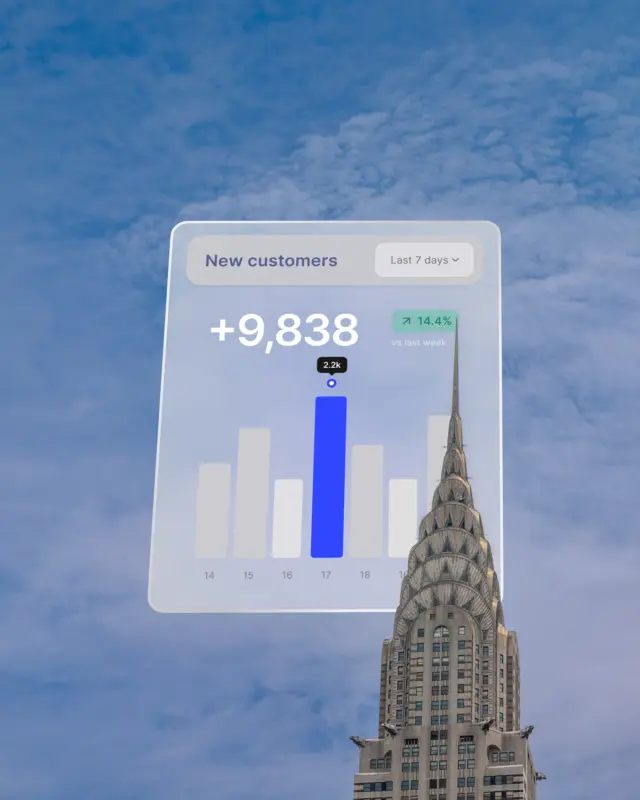
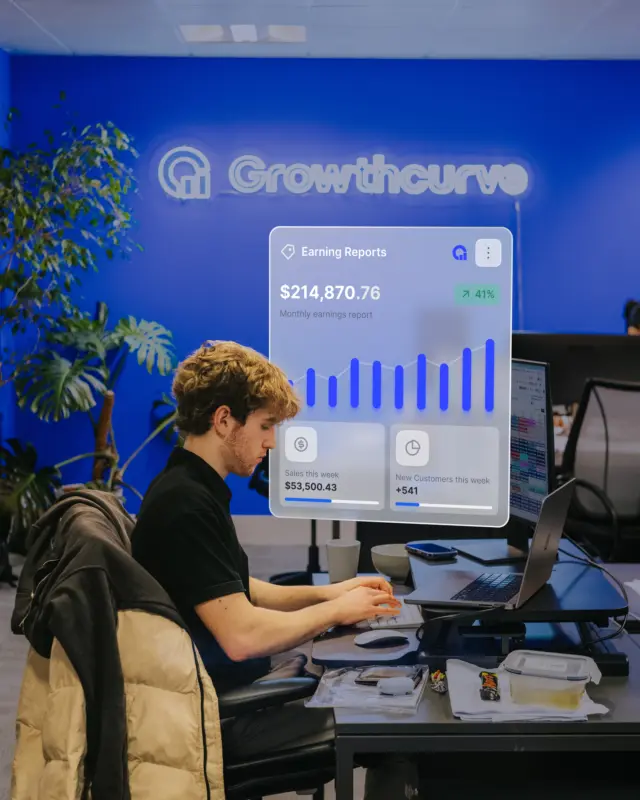
Real-time performance dashboard

Plan across launch phases

A strong mobile game marketing strategy changes by phase: concept test, soft launch, and global scale. We align UA and LiveOps with your core loop, economy, and target audience, then define phase gates using retention, monetisation, and payback metrics. Soft launch is used to validate FTUE, D1 and D7 retention, early payer behaviour, and creative scalability before you scale budgets. This reduces wasted spend at launch and gives investors confidence you can buy growth profitably.

Concept test and hooks

Test gameplay hooks and positioning with fast creatives, so you learn what gets attention before investing heavily in production and UA.

Soft launch validation

Run controlled spend in selected geos to validate retention, early monetisation, and attribution tracking before scaling globally.

Global scale playbook

Scale budgets only when cohorts and payback support it, expanding geos, placements, and creative angles while protecting ROAS and LTV.

Measurement that matters

We set up measurement so marketing and game teams can make the same decisions from the same data. That includes attribution and event tracking with your MMP, clear definitions for activation and key milestones, and cohort reporting for retention and LTV. We monitor both marketing metrics like CPI and ROAS and product metrics like FTUE completion and session behaviour. This closes the loop between creatives, player quality, and monetisation outcomes.
  • Cohort LTV and retention reporting
  • Attribution and event tracking
  • UA to product feedback loop

UA and creative system

User acquisition for mobile games is a creative arms race. We build a repeatable pipeline for short-form video, UGC-style ads, statics, and playable concepts where relevant, then test across networks like Meta, TikTok, YouTube, and Google. Testing isolates variables such as the first three seconds, the core mechanic, and the reward moment, so learnings are reusable. Spend is scaled based on cohort quality and early LTV signals, not just CPI, so you avoid buying low-value users.

Hook-led short-form video

Create 6 to 15 second videos that show the core mechanic fast, so you drive higher CTR and cheaper qualified installs.

Creative testing and iteration

Test hooks, gameplay moments, and CTAs systematically, then spin winners into new variants to prevent fatigue and maintain performance.

Scale rules by cohort

Scale budgets based on early retention and monetisation signals, so CPI does not improve at the expense of LTV and payback.
ASO, LiveOps, and LTV

Winning mobile game growth is not just installs, it is retention and monetisation. We improve organic conversion with ASO updates to titles, descriptions, screenshots, and previews, keeping them aligned to your winning UA angles. Post-install, we support LiveOps and re-engagement with segmentation, push messaging, and event calendars that sustain D7 and D30 retention. Monetisation strategy is tied to player behaviour, balancing IAP bundles, season passes, and rewarded ads to grow ARPU without damaging experience.

ASO for organic installs

Optimise keywords, visuals, and previews to increase store conversion rate, so organic installs rise and blended CAC falls.

LiveOps and habit loops

Plan events, challenges, and rewards that bring players back, improving retention cohorts and stabilising revenue beyond launch spikes.

Monetisation and ad strategy

Balance IAP and rewarded ads by player segment, increasing ARPU and LTV while protecting session quality and long-term retention.

Integrated growth pod

Mobile game marketing works best when UA, creative, and product are aligned. We operate as a pod that integrates with your team, joining weekly standups and shipping against shared goals. That means creative production, campaign management, ASO iterations, and retention initiatives are coordinated rather than competing for attention. You get a single backlog and a clear weekly plan, which reduces handoffs and keeps the roadmap focused on the biggest growth constraint.
  • Weekly sprint growth cadence
  • Cross-functional execution pod
  • Single backlog, clear owners

SEO that compounds, not a checklist

Organic growth is a mix of technical hygiene, content that earns clicks, and authority building that is genuinely deserved. We treat SEO as a product, with a backlog and a cadence, rather than a one-off project. Technical work covers crawlability, site architecture, Core Web Vitals, schema markup and index management. On-page work is driven by search intent and the real questions buyers ask at each stage. Off-page focuses on link earning through useful assets, partnerships and digital PR rather than spam. For example, for a B2B brand we might build a set of comparison pages for demand capture, a small research piece to earn links, and a library of problem-led articles that support sales calls. The outcome is more qualified traffic, better brand credibility, and lower dependency on paid media over time.

Why Growthcurve

Growthcurve gives you a complete growth team with the creative volume mobile games need. We include unlimited creative production, charge no commission on ad spend, and provide a real-time dashboard so you can see what is shipping and what is working. Our specialists scale resources up or down as your launch phase changes, and we work on a monthly rolling basis. If you want faster iteration than an in-house team can sustain, we fit.
  • Unlimited creative production included
  • No commission on spend
  • Scale team up or down
What should a mobile game marketing strategy include end to end?
A complete strategy covers launch phases and the full player journey: awareness, acquisition, conversion to install, activation in FTUE, retention, monetisation, and re-engagement. It should connect UA, ASO, community, and LiveOps rather than treating them as separate projects. Practically, you need phase gates, a creative testing system, store optimisation, event calendars, and measurement that links cohorts to LTV and ROAS so scaling decisions are grounded in profitability.
How do you run a soft launch and choose geos?
Soft launch is used to validate your core loop and early economics before global scale. We pick geos that are cost-efficient but still representative for retention behaviour, then drive enough installs to read cohorts with confidence. During soft launch we focus on FTUE completion, D1 and D7 retention, early payer and ad engagement signals, and whether creatives can scale. If the fundamentals do not hold, we fix product and funnel leaks first.
Which metrics matter most before scaling user acquisition?
CPI alone is not enough. Before scaling, you need early retention signals, activation rates through FTUE, and monetisation indicators that support your payback window. Cohort quality should be stable across spend levels. We set clear scale rules tied to D1 and D7 retention, early LTV projections, and ROAS trajectories. This avoids the common mistake of scaling cheap installs that churn quickly and never monetise.
How do you build a creative testing system for UA?
We run weekly creative sprints with a clear testing matrix: hooks, gameplay moments, proof, and CTA. Each asset has a single hypothesis, and we organise results by concept so learnings are reusable. We watch attention signals like view-through behaviour and click metrics, then confirm with install and cohort outcomes. Winners are iterated into new variants to prevent fatigue, while losers are replaced quickly to protect performance.
How do you use ASO alongside paid acquisition campaigns?
ASO increases organic visibility and improves store conversion, which lowers blended acquisition cost. We align store assets to the same angles that win in paid: the core hook, the audience, and the promise. We iterate titles, keywords, screenshots, and video previews, then measure impact through store conversion rate and organic install share. This creates a compounding effect: paid learnings improve ASO, and ASO improves the efficiency of paid.
What are practical ways to improve D1 retention and FTUE?
D1 retention is usually lost in the first session. We diagnose where players drop in the FTUE, then improve clarity, pacing, and early rewards so players reach the fun faster. We also align marketing promise to gameplay reality to reduce mismatch. Changes can include shorter tutorials, earlier progression moments, and better prompts for the core mechanic. Improvements are measured through FTUE completion, first session length, and D1 retention cohorts.
How do you balance monetisation between IAP and ads?
The right balance depends on genre and audience, but the principle is the same: monetisation should feel like value, not interruption. We segment players by behaviour and intent, then tailor offers such as bundles, season passes, or VIP benefits to high-value cohorts. For ad monetisation, we prioritise rewarded formats that support the game loop. We track ARPU, ARPPU, ad engagement, and retention to ensure monetisation increases revenue without harming long-term LTV.
How do you measure attribution and cohort LTV correctly?
We set up attribution and event tracking through your MMP and analytics stack, ensuring key events are consistent across marketing and product teams. The focus is cohort outcomes: retention, monetisation, and payback by channel, campaign, and creative concept. Because platform reporting can be noisy, we rely on cohort trends and incrementality-minded analysis where possible. The goal is to know what users you are buying, not just what clicks you are getting.
Why use Growthcurve for mobile game marketing strategy?
Growthcurve gives you a complete growth team with the creative volume and testing rigour mobile games require. We include unlimited creative production, charge no commission on ad spend, and provide a real-time dashboard for transparent performance. We integrate like internal staff, scale resources by launch phase, and work on a monthly rolling basis. If you want faster iteration and clearer scale rules, we are a strong fit. Book a call

Lifecycle marketing that increases LTV

If you only optimise acquisition, you end up paying more for the same customers. We build lifecycle systems that raise retention and expansion, using email, SMS where relevant, and CRM workflows that feel personal without being creepy. We set up segmentation based on behaviour and value, then design flows for onboarding, activation, replenishment, win-back and referral. In practice that can include RFM modelling for ecommerce, lead scoring for B2B, or product usage triggers for SaaS. We also help you capture first-party and zero-party data with preference centres and progressive profiling, so targeting stays resilient as privacy changes. When we ran a lifecycle audit for one team, we found revenue sitting in overlooked moments, like post-purchase education and renewal risk signals. The outcome is a healthier blended CAC and a marketing engine that keeps paying you back.

Measurement you can trust and use

Attribution arguments waste time and block good decisions. We set measurement up so it is good enough to guide spend, creative and roadmap choices, and we are honest about what is knowable. Tracking work can include GA4 hygiene, conversion event design, server-side tracking where appropriate, and consistent UTMs. Reporting lives in a real-time dashboard, with views that match how you run the business, such as channel performance, funnel conversion, cohort retention and creative learnings. We also use incrementality thinking where it matters, like geo holdouts or controlled tests for bigger budget shifts. For example, if brand search rises after a video push, we look at the whole picture rather than declaring victory based on last click. The outcome is faster iteration and fewer surprises in board meetings.

Operating rhythm, SLAs and ways of working

Good marketing is mostly good operations. We set a working rhythm that keeps delivery moving and prevents strategy decks from becoming a comfort blanket. You get a named lead, specialist channel owners, and access to top-tier US and UK talent, scaled up or down based on your needs. We agree response times, approval flows and who owns what across creative, landing pages, tracking and budget changes. Campaign planning happens in short cycles, with clear priorities and a shared backlog, so work does not disappear into a black box. We also help your internal stakeholders, like product, sales and finance, stay aligned with what marketing is doing and why. The outcome is a calm, consistent cadence, less context switching, and a team that behaves like your internal staff while staying on a monthly rolling basis.

Why Growthcurve

Growthcurve is built for teams who want senior thinking and fast delivery without the overhead of building it all in-house. Our marketers have scaled startups to nine-figure valuations, and our clients have raised over $700M in funding, so we understand what investors and boards look for. You get a complete marketing department in one package, with specialists who integrate as your internal staff and can scale up or down as priorities change. We are an official Meta, Google, TikTok and Snap agency partner, and we have a deep creative engine, including unlimited ad creative production, because most growth ceilings are creative ceilings. You also get a proprietary suite of AI marketing tools and a real-time performance dashboard to keep decisions grounded. No long-term contracts, no commission fees on ad spend, just accountable work on a monthly rolling basis.

Book a call

Let's chat about your goals and whether we're a fit.

  1. 1 ABOUT YOU
  2. 2 YOUR NEEDS
  3. 3 BOOKING
I agree to the Privacy Policy

Which of our services do you need?

Type

Size

Funding

We'll email you shortly
Prefer to call now?
USA
+1 (347) 657 3386
UK
+44 203 870 3186