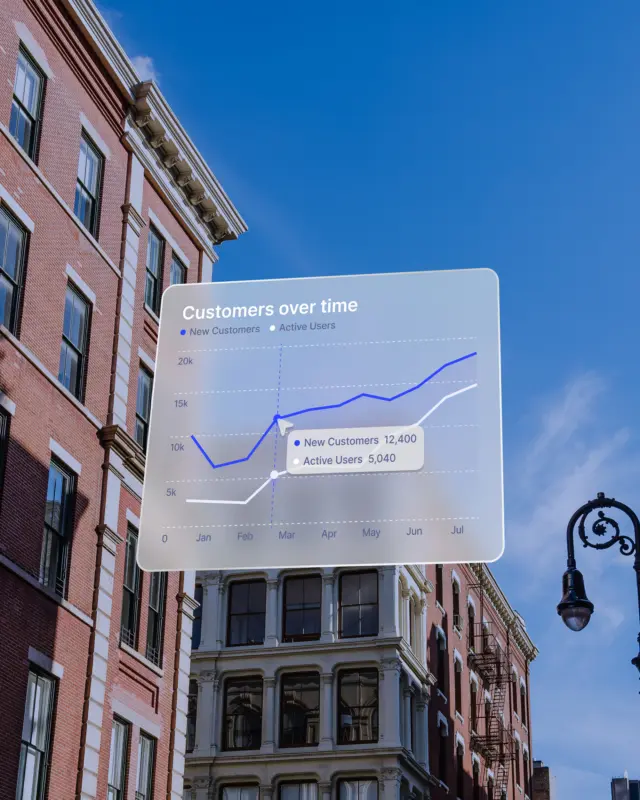
Paid search strategy built for profitable, scalable demand capture

We structure accounts, bidding, and landing pages to improve impression share, conversion rate, and CAC payback with clear measurement.
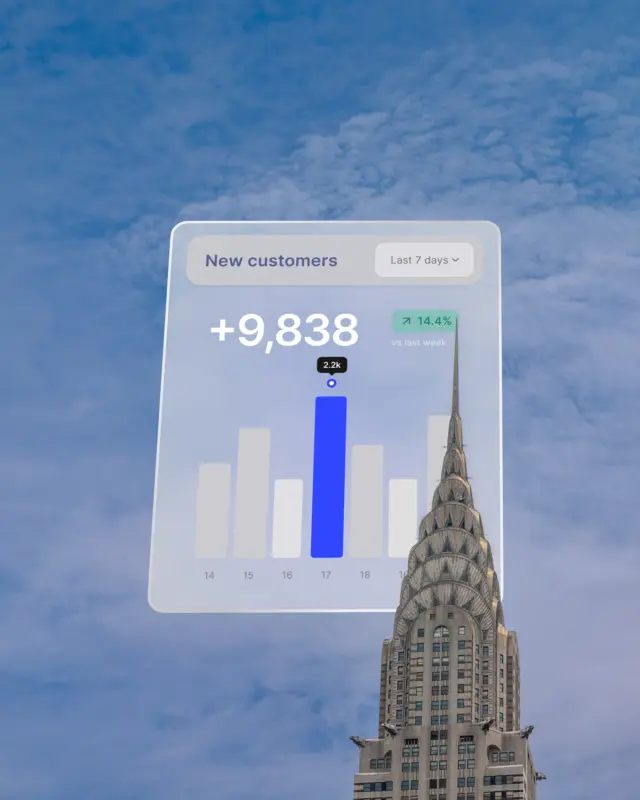
No commission on spend
Unlimited creative production included
Real-time performance dashboard

Account structure and keywords

A strong paid search strategy starts with structure that creates learning and control. We build campaigns around intent tiers, separating awareness, consideration, and high-intent conversion keywords. We use match types deliberately, apply negative keyword harvesting to protect efficiency, and keep messaging tightly aligned to each query set. Where it fits, we layer Dynamic Search Ads to capture long-tail demand without losing measurement clarity. The result is cleaner reporting, faster optimisation, and fewer wasted clicks.

Intent-tiered campaign design

Separate TOFU, MOFU, and BOFU search intent so budgets and bids match the role each campaign plays in the funnel.

Match types and negatives

Use broad and phrase for discovery with tight negative harvesting, and exact for high-intent terms, protecting ROI while expanding volume safely.

DSA for long-tail coverage

Deploy Dynamic Search Ads to capture missed query volume, then pull winners into core campaigns where you can control ads, bids, and landing pages.

Built for outcomes

We run paid search as part of a full-funnel growth system, not a standalone channel. That means aligning keyword intent to offers, landing pages, and follow-up, then measuring performance against CAC and payback rather than vanity engagement. We ship improvements weekly: new keyword sets, negative harvesting, ad tests, landing page iterations, and audience refinements. This keeps learning fast and performance stable as auctions and competitor behaviour change.
  • Weekly optimisation sprint cadence
  • Intent to offer alignment
  • Unit economics first reporting

Bidding and budget pacing

We choose bidding based on your unit economics and data quality, not what is fashionable. That may mean starting with manual control and moving into Smart Bidding once conversion tracking is reliable, or using portfolio strategies like target CPA or target ROAS when value signals are strong. We monitor impression share lost to rank and budget, use auction insights to understand competitive pressure, and apply pacing rules so spend matches your demand curve. This prevents overspending, under-delivery, and noisy learning.

Smart Bidding when data is ready

Use target CPA, target ROAS, or maximise conversions when tracking is solid, so algorithms optimise toward real outcomes rather than clicks.

Auction insights and share of voice

Track impression share and lost share to rank or budget, so you know whether growth is constrained by bids, quality, or budget caps.

Pacing rules and scripts

Set pacing and alerting to avoid end-of-month surprises, and to reallocate spend quickly toward the campaigns with the best cohort outcomes.
Ads, landing pages, and CRO

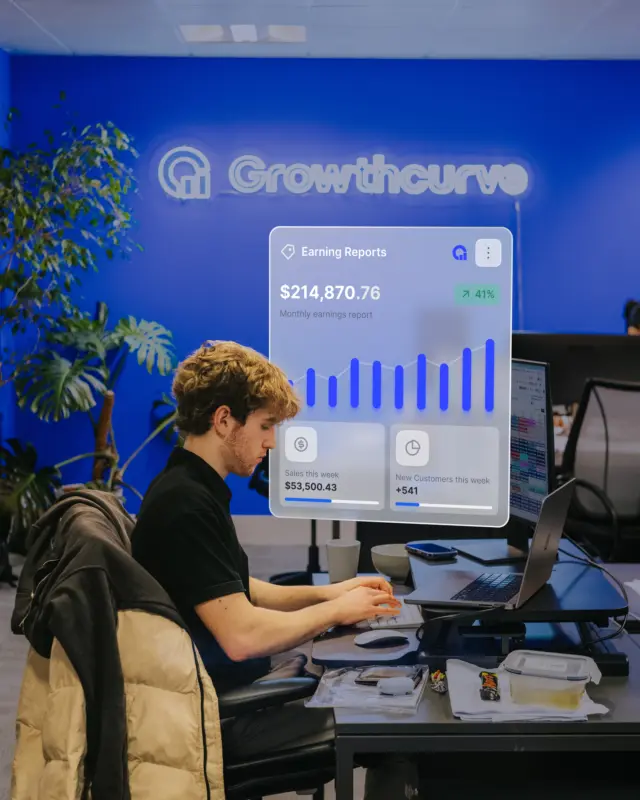
Search performance is capped by post-click experience. We write and test Responsive Search Ads with strong message match to the query, then align landing pages to the same promise, objections, and next step. We improve conversion rate with CRO: clearer positioning, tighter forms, trust signals, and faster paths to value. We also connect paid search to lifecycle through remarketing, customer match, and segmented offers, so you capture demand and improve payback over time.

RSA testing and message match

Test multiple headlines and descriptions by intent tier, so the ads reflect the searcher's job-to-be-done and improve CTR and quality score.

Landing pages built to convert

Align page copy, proof, and CTA to the keyword theme, reducing friction and improving conversion rate without increasing CPC.

Remarketing and audience layering

Use remarketing lists and customer match to tailor bids and copy, increasing efficiency for return visitors and high-value segments.

Measurement you trust

We make paid search decisions using reliable tracking and clear attribution assumptions. We implement GA4 event tracking, import offline conversions where relevant, and align CRM stages to search intent so you can see lead quality, not just form fills. We watch assisted conversions and use campaign experiments or holdouts when needed to estimate incremental lift. Reporting is designed for executives: what is working, what is not, and what we will change next.
  • Offline conversion import support
  • GA4 and funnel reporting
  • Incrementality-minded testing

SEO that compounds, not a checklist

Organic growth is a mix of technical hygiene, content that earns clicks, and authority building that is genuinely deserved. We treat SEO as a product, with a backlog and a cadence, rather than a one-off project. Technical work covers crawlability, site architecture, Core Web Vitals, schema markup and index management. On-page work is driven by search intent and the real questions buyers ask at each stage. Off-page focuses on link earning through useful assets, partnerships and digital PR rather than spam. For example, for a B2B brand we might build a set of comparison pages for demand capture, a small research piece to earn links, and a library of problem-led articles that support sales calls. The outcome is more qualified traffic, better brand credibility, and lower dependency on paid media over time.

Why Growthcurve

You get a complete growth team that can own the paid search strategy and the dependencies around it: creative, landing pages, CRO, and analytics. We include unlimited creative production, charge no commission on ad spend, and work on a monthly rolling basis. Our proprietary AI marketing tools and real-time dashboard help us move quickly and stay transparent. If you need faster iteration than an internal team can manage, we fit.
  • No commission on spend
  • Unlimited creative included
  • Monthly rolling engagement
What is a paid search strategy, not just campaign management?
A paid search strategy defines how search supports your business goals across the funnel, including what you target, how you structure campaigns, what you measure, and how you scale. It goes beyond changing bids and writing ads. A good strategy connects intent tiers to offers and landing pages, sets clear success metrics like CAC and payback, and creates a repeatable testing system so performance improves over time.
How do you choose keywords for TOFU, MOFU, and BOFU?
We group keywords by intent. TOFU typically includes problem and category searches that indicate research. MOFU includes comparisons, alternatives, and competitor terms. BOFU includes high-intent queries like pricing, demo, buy, and specific product names. This structure lets you control budgets and bids by funnel role, measure assisted value, and avoid judging upper funnel terms by last-click conversion alone.
When should we use broad match versus phrase and exact?
Broad match can be useful for discovery and scale when conversion tracking is strong and you have a disciplined negative keyword process. Phrase and exact are best for control on high-intent terms and for protecting efficiency. We usually expand with broad match in a controlled way, then harvest high-performing queries into more targeted ad groups. The goal is growth without allowing irrelevant queries to consume budget.
How do you decide between target CPA and target ROAS bidding?
Target CPA fits businesses where conversions have similar value, or where lead quality is consistent and you can import qualified outcomes. Target ROAS fits ecommerce or models with reliable revenue values and enough conversion volume to learn. We also consider payback and LTV. If you can pass value signals or offline revenue back to the platform, bidding becomes more aligned to profitability rather than superficial conversion counts.
What is the role of Performance Max in paid search strategy?
Performance Max can be effective for scaling when you have strong creative assets, clear conversion tracking, and defined audience signals. It combines inventory across Google properties, which can help find incremental demand. The trade-off is reduced control and visibility compared to standard search campaigns. We typically use it alongside a structured search setup, with clear guardrails and reporting, so it complements rather than cannibalises core demand capture.
How do you improve Quality Score and reduce CPCs?
Quality Score improves when ads and landing pages match the user's intent. We tighten keyword themes, write ads that directly answer the query, and ensure landing pages deliver on the promise with clear value, proof, and next steps. We also improve expected CTR through better messaging and extensions. Lower CPCs come from relevance and conversion rate, not from chasing position alone.
How do landing pages affect paid search results?
Landing pages determine conversion rate and often influence ad performance through relevance signals. A weak page forces you to buy growth with higher bids, while a strong page lets you scale profitably. We focus on message match, clarity, trust, and friction reduction. That includes tighter forms, clearer CTAs, stronger proof, and faster load times. Small improvements in conversion rate can materially change CAC and payback.
How do you measure incrementality and avoid cannibalising organic?
We look beyond last-click by reviewing assisted conversions and cohort outcomes, then use structured experiments when needed. That can include geo split tests, campaign experiments, or holdouts on brand terms to estimate true lift. We also coordinate with SEO so paid and organic do not fight each other. The aim is to pay for incremental demand capture, not for traffic you would have received anyway.
What do we get from Growthcurve for paid search strategy?
You get a cross-functional team that can own the account and the levers around it: keyword structure, bidding, ads, landing pages, CRO, and measurement. We include unlimited creative production and do not charge commission on ad spend. We work in weekly sprints and share performance through a real-time dashboard. Engagement is monthly rolling, so you can move quickly without long-term lock-in. Book a call

Lifecycle marketing that increases LTV
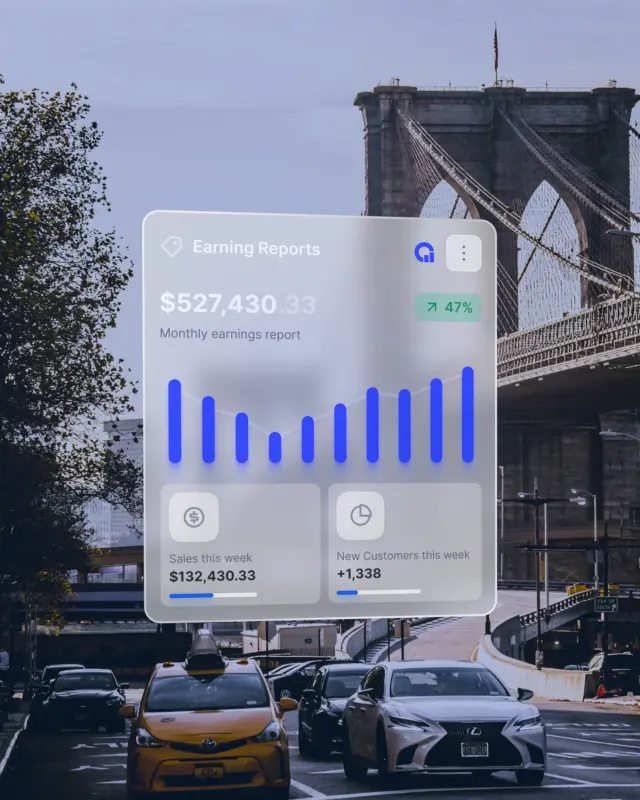
If you only optimise acquisition, you end up paying more for the same customers. We build lifecycle systems that raise retention and expansion, using email, SMS where relevant, and CRM workflows that feel personal without being creepy. We set up segmentation based on behaviour and value, then design flows for onboarding, activation, replenishment, win-back and referral. In practice that can include RFM modelling for ecommerce, lead scoring for B2B, or product usage triggers for SaaS. We also help you capture first-party and zero-party data with preference centres and progressive profiling, so targeting stays resilient as privacy changes. When we ran a lifecycle audit for one team, we found revenue sitting in overlooked moments, like post-purchase education and renewal risk signals. The outcome is a healthier blended CAC and a marketing engine that keeps paying you back.

Measurement you can trust and use

Attribution arguments waste time and block good decisions. We set measurement up so it is good enough to guide spend, creative and roadmap choices, and we are honest about what is knowable. Tracking work can include GA4 hygiene, conversion event design, server-side tracking where appropriate, and consistent UTMs. Reporting lives in a real-time dashboard, with views that match how you run the business, such as channel performance, funnel conversion, cohort retention and creative learnings. We also use incrementality thinking where it matters, like geo holdouts or controlled tests for bigger budget shifts. For example, if brand search rises after a video push, we look at the whole picture rather than declaring victory based on last click. The outcome is faster iteration and fewer surprises in board meetings.

Operating rhythm, SLAs and ways of working

Good marketing is mostly good operations. We set a working rhythm that keeps delivery moving and prevents strategy decks from becoming a comfort blanket. You get a named lead, specialist channel owners, and access to top-tier US and UK talent, scaled up or down based on your needs. We agree response times, approval flows and who owns what across creative, landing pages, tracking and budget changes. Campaign planning happens in short cycles, with clear priorities and a shared backlog, so work does not disappear into a black box. We also help your internal stakeholders, like product, sales and finance, stay aligned with what marketing is doing and why. The outcome is a calm, consistent cadence, less context switching, and a team that behaves like your internal staff while staying on a monthly rolling basis.

Why Growthcurve

Growthcurve is built for teams who want senior thinking and fast delivery without the overhead of building it all in-house. Our marketers have scaled startups to nine-figure valuations, and our clients have raised over $700M in funding, so we understand what investors and boards look for. You get a complete marketing department in one package, with specialists who integrate as your internal staff and can scale up or down as priorities change. We are an official Meta, Google, TikTok and Snap agency partner, and we have a deep creative engine, including unlimited ad creative production, because most growth ceilings are creative ceilings. You also get a proprietary suite of AI marketing tools and a real-time performance dashboard to keep decisions grounded. No long-term contracts, no commission fees on ad spend, just accountable work on a monthly rolling basis.

Book a call

Let's chat about your goals and whether we're a fit.

  1. 1 ABOUT YOU
  2. 2 YOUR NEEDS
  3. 3 BOOKING
I agree to the Privacy Policy

Which of our services do you need?

Type

Size

Funding

We'll email you shortly
Prefer to call now?
USA
+1 (347) 657 3386
UK
+44 203 870 3186