Performance Marketing Agency Built for CAC, ROAS, and Payback
We connect acquisition spend to measurable outcomes with full-funnel execution across paid, creative, CRO, and lifecycle.
What performance marketing means
Performance marketing is marketing that is planned, executed, and measured against specific outcomes such as qualified leads, trials, purchases, revenue, and payback. A performance marketing agency does more than buy ads: it builds a system across channels, creative, and conversion that can be tested and improved weekly. That includes paid search and paid social, retargeting, landing page optimisation, and measurement that survives attribution noise. The goal is predictable growth with clear accountability.
Channel mix built around intent
Capture high intent with search and retargeting, then create demand with paid social and video. Each channel has a defined job by funnel stage, so spend is allocated with clarity.
Creative testing as a system
Run continuous experiments across hooks, angles, proof, and formats. Creative velocity reduces fatigue and finds scalable winners faster than campaign-by-campaign production.
CRO and post-click conversion
Improve landing pages, forms, and checkout flows so traffic converts. Performance depends on message match and friction control, not just bidding and targeting.
Why performance marketing fails
- Lower CAC through better testing
- Higher conversion from paid traffic
- More reliable payback reporting
How we run performance marketing
We run performance marketing in weekly growth sprints. First we set the goal and constraints: CAC or CPA targets, payback window, margin, sales capacity, and funnel definitions. Then we build a testing backlog across targeting, creative, offers, and landing pages. Each week we ship experiments, measure outcomes, and roll budget towards what is working. This avoids the common trap of endless optimisation inside one platform while the bigger levers, like creative and conversion, stay untouched.
Experiment backlog and cadence
Maintain a prioritised list of tests across channels and funnel stages. Fast shipping increases learning speed and reduces reliance on one tactic that eventually fatigues.
Budget allocation like a portfolio
Protect proven performers while dedicating controlled budget to exploration. This balances short-term efficiency with long-term growth and prevents overreacting to volatility.
Sales and lifecycle integration
Connect paid acquisition to follow-up and retention. Better lead handling, nurture, and lifecycle messaging improves conversion and raises LTV, making CAC targets easier to hit.
Measurement you can act on
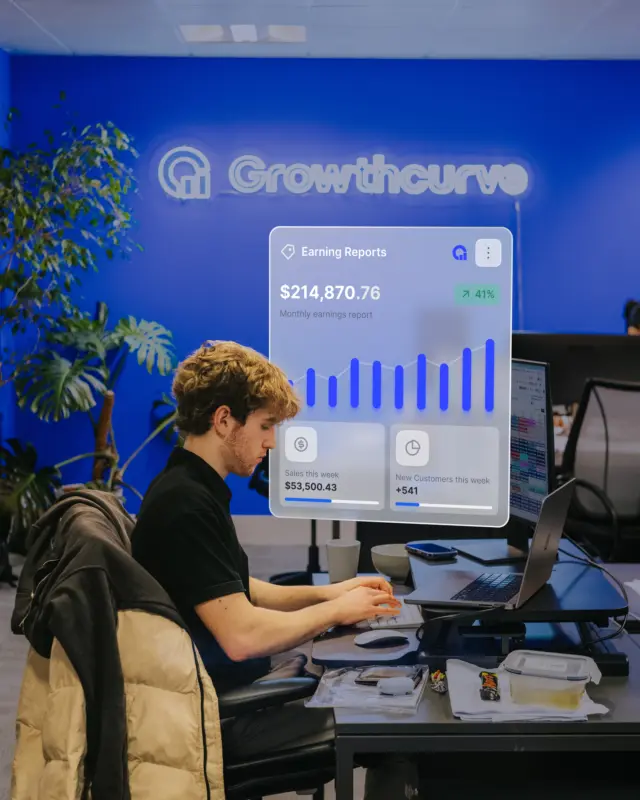
Performance marketing only works when measurement matches reality. We set up clean conversion tracking, consistent UTMs, and dashboards that show blended performance across channels. We report on the metrics that matter: CAC, payback, LTV, pipeline, and stage conversion rates. When attribution is noisy, we use cohort trends and incrementality thinking to avoid scaling based on platform bias. This creates decision-grade reporting that leadership can trust and teams can use weekly.
Tracking and event quality control
Audit conversions and key events so data is consistent across platforms. Better event hygiene improves bidding performance and removes reporting confusion.
Cohort and payback reporting
Measure customer value over time by cohort, not just day-one returns. This prevents under-investing in channels that create high-LTV customers.
Real-time dashboards for stakeholders
Give leadership a single view across spend, conversion, and revenue outcomes. Real-time visibility speeds decisions and keeps teams aligned on what to test next.
How Growthcurve delivers
- Complete team, one partner
- Unlimited creative, faster iteration
- No commission fees on spend
SEO that compounds, not a checklist
Organic growth is a mix of technical hygiene, content that earns clicks, and authority building that is genuinely deserved. We treat SEO as a product, with a backlog and a cadence, rather than a one-off project. Technical work covers crawlability, site architecture, Core Web Vitals, schema markup and index management. On-page work is driven by search intent and the real questions buyers ask at each stage. Off-page focuses on link earning through useful assets, partnerships and digital PR rather than spam. For example, for a B2B brand we might build a set of comparison pages for demand capture, a small research piece to earn links, and a library of problem-led articles that support sales calls. The outcome is more qualified traffic, better brand credibility, and lower dependency on paid media over time.
Who this is for
- Best for measurable growth goals
- Requires weekly iteration cadence
- Not set-and-forget campaigns
Lifecycle marketing that increases LTV
If you only optimise acquisition, you end up paying more for the same customers. We build lifecycle systems that raise retention and expansion, using email, SMS where relevant, and CRM workflows that feel personal without being creepy. We set up segmentation based on behaviour and value, then design flows for onboarding, activation, replenishment, win-back and referral. In practice that can include RFM modelling for ecommerce, lead scoring for B2B, or product usage triggers for SaaS. We also help you capture first-party and zero-party data with preference centres and progressive profiling, so targeting stays resilient as privacy changes. When we ran a lifecycle audit for one team, we found revenue sitting in overlooked moments, like post-purchase education and renewal risk signals. The outcome is a healthier blended CAC and a marketing engine that keeps paying you back.
Measurement you can trust and use
Attribution arguments waste time and block good decisions. We set measurement up so it is good enough to guide spend, creative and roadmap choices, and we are honest about what is knowable. Tracking work can include GA4 hygiene, conversion event design, server-side tracking where appropriate, and consistent UTMs. Reporting lives in a real-time dashboard, with views that match how you run the business, such as channel performance, funnel conversion, cohort retention and creative learnings. We also use incrementality thinking where it matters, like geo holdouts or controlled tests for bigger budget shifts. For example, if brand search rises after a video push, we look at the whole picture rather than declaring victory based on last click. The outcome is faster iteration and fewer surprises in board meetings.
Operating rhythm, SLAs and ways of working
Good marketing is mostly good operations. We set a working rhythm that keeps delivery moving and prevents strategy decks from becoming a comfort blanket. You get a named lead, specialist channel owners, and access to top-tier US and UK talent, scaled up or down based on your needs. We agree response times, approval flows and who owns what across creative, landing pages, tracking and budget changes. Campaign planning happens in short cycles, with clear priorities and a shared backlog, so work does not disappear into a black box. We also help your internal stakeholders, like product, sales and finance, stay aligned with what marketing is doing and why. The outcome is a calm, consistent cadence, less context switching, and a team that behaves like your internal staff while staying on a monthly rolling basis.