RFM marketing to segment customers and grow LTV

We implement RFM scoring and campaigns that improve repeat rate, retention, and revenue using first-party customer behaviour.
Evidence-led segmentation and testing
Real-time performance dashboard
Complete team in one

RFM scoring and setup

RFM marketing starts with clean inputs and a scoring method you can explain to the business. We pull first-party data from your ecommerce platform, CRM, and product events, then calculate Recency, Frequency, and Monetary scores using sensible time windows for your model. Scores are normalised by percentiles or quartiles so segments stay stable as you scale. You get a segment map you can activate across email, SMS, paid retargeting, and onsite personalisation.

Data sources and hygiene

Unify transactions, email, and app events into a clean customer table, so RFM scores reflect reality and can be refreshed reliably.

Normalised scoring rules

Create 1 to 5 scores for each dimension using percentiles or quartiles, so segment sizes stay meaningful as the customer base grows.

Segments you can activate

Translate the 125 cells into practical groups like Champions, New, At Risk, and Lost, ready for journey triggers and reporting.

How we implement

We implement RFM in a way your team can operate. First we define the right time windows, scoring method, and segment definitions for your business model. Then we build the data pipeline, scoring logic, and activation feeds into your ESP, CDP, and ad platforms. Finally we launch a set of segment-specific journeys and test plans, with a reporting view that ties changes back to repeat rate, churn, and margin.
  • Data, scoring, and activation
  • Segment journeys shipped weekly
  • Reporting tied to margin

Lifecycle campaigns by segment

Once RFM is live, we build lifecycle programmes that match customer intent. Champions get VIP rewards, cross-sells, and referral asks. New customers get onboarding and product education to drive a second purchase quickly. At Risk segments trigger win-back sequences with urgency, service-led messaging, or selective incentives. We test offers and creative per segment so you stop sending blanket discounts and start improving repeat rate and margin.

Champions and VIP retention

Reward high-value customers with early access, bundles, and referrals, increasing retention and expansion without relying on aggressive discounting.

New and promising customers

Move first-time buyers to a second purchase using onboarding, usage content, and personalised recommendations based on early behaviour.

At risk and win-back

Trigger win-back journeys when recency drops, using service-led messages, surveys, and selective incentives to recover customers before they churn.
Measurement and optimisation

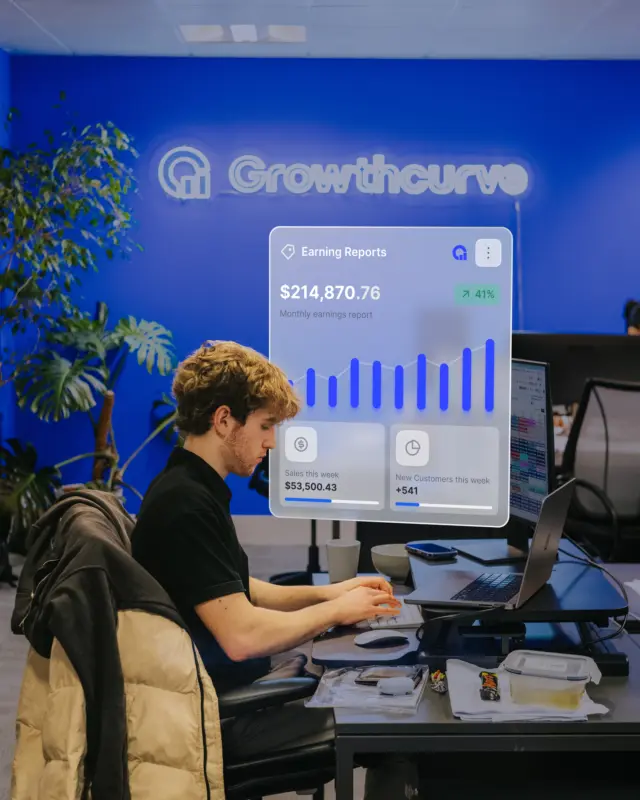
RFM only pays off when you track segment movement and profit impact. We set up dashboards that show how customers migrate between groups each week, what each segment contributes to revenue and margin, and where churn risk is rising. We run A/B tests by segment, measure incremental lift, and refine scoring windows seasonally so you are not misled by spikes like Black Friday. Over time, we can layer predictive models on top of RFM for next-best-action decisions.

Segment migration reporting

Build migration views that show customers moving between segments, so you can see whether campaigns are creating more Champions over time.

Incremental testing by segment

Run holdout or split tests on offers and messaging for each segment, so you measure real lift rather than attribution noise.

RFM plus predictive layers

Combine RFM with churn propensity or CLV models to prioritise next-best-actions, especially when customer journeys are complex or multi-channel.

Where RFM fits

RFM marketing is most valuable when you need better retention and more efficient spend. It helps you stop over-investing in low-intent audiences and start using your best customers to shape acquisition, offers, and lookalikes. For ecommerce, it improves repeat purchase and reduces blanket discounting. For subscription and B2B, it can be adapted using renewal and expansion signals to prioritise retention and upsell opportunities.
  • Reduce discount dependency
  • Improve retention and repeat rate
  • Sharpen acquisition targeting

SEO that compounds, not a checklist

Organic growth is a mix of technical hygiene, content that earns clicks, and authority building that is genuinely deserved. We treat SEO as a product, with a backlog and a cadence, rather than a one-off project. Technical work covers crawlability, site architecture, Core Web Vitals, schema markup and index management. On-page work is driven by search intent and the real questions buyers ask at each stage. Off-page focuses on link earning through useful assets, partnerships and digital PR rather than spam. For example, for a B2B brand we might build a set of comparison pages for demand capture, a small research piece to earn links, and a library of problem-led articles that support sales calls. The outcome is more qualified traffic, better brand credibility, and lower dependency on paid media over time.

Why Growthcurve

RFM work fails when it is only analysis. Growthcurve gives you the team to implement, activate, and iterate. We integrate like internal staff, run evidence-led sprints, and include creative production so segment campaigns launch quickly. We do not charge commission on ad spend, and engagement is monthly rolling, giving you flexibility while keeping momentum. You get a complete marketing department in one package, focused on measurable LTV lift.
  • Monthly rolling engagement
  • No commission on spend
  • Unlimited creative production included
What is RFM marketing and why does it work?
RFM marketing segments customers by Recency, Frequency, and Monetary value. It works because these behaviours are strong, explainable predictors of repeat purchase and future value. Instead of sending one campaign to everyone, you tailor messaging to intent: recent repeat buyers get upsells, one-time buyers get onboarding, and lapsed high-value customers get win-back. This typically improves retention and reduces wasted discounting.
How do you calculate Recency, Frequency, and Monetary?
Recency is how many days since the last purchase or key event, Frequency is the number of purchases in a defined period, and Monetary is total spend or revenue in that same window. Many businesses score each dimension from 1 to 5. We choose time windows that fit your buying cycle, then normalise scores using percentiles or quartiles. That avoids hard-coded thresholds that break when seasonality or scale changes.
What are the most useful RFM segments to start with?
Most teams start by rolling the 125 RFM cells into a small set of actionable segments. Common ones are Champions, Loyal, New, Promising, At Risk, and Lost. The best starting point is usually Champions and At Risk. Champions improve margin and referrals with VIP offers, while At Risk segments create the biggest immediate revenue recovery when you re-engage them with the right message and timing.
How often should RFM scores be refreshed and used?
For most ecommerce and D2C brands, refreshing daily or weekly is enough. The right cadence depends on purchase frequency and how quickly customers move from active to at risk. We prefer frequent refreshes when you have high-velocity orders or time-sensitive replenishment cycles. Whatever the cadence, the key is automation: scores should update without manual work and trigger journeys consistently across email, SMS, and ads.
How does RFM marketing improve paid acquisition performance?
RFM improves acquisition by using your best customers as a seed for targeting and creative. You can build lookalike audiences from high-frequency, high-value segments rather than average buyers. It also improves measurement: you can judge campaigns by the RFM quality of acquired customers and how quickly they progress through segments. That helps you stop scaling sources that deliver cheap first orders but poor repeat behaviour.
Can RFM be used for SaaS or B2B businesses?
Yes, but definitions change. Recency can be last active usage or last key product event, Frequency can be usage cadence or renewals, and Monetary can be ARR, expansion revenue, or plan value. We adapt the model to match your revenue mechanics and customer journey. The objective stays the same: identify high-value accounts, spot churn risk early, and trigger the right lifecycle actions for retention and expansion.
What data do we need to run RFM properly?
At minimum you need a customer identifier and transaction or revenue history. Ideally you also include product events, email engagement, and zero-party signals like preferences collected through surveys or onboarding. We keep it privacy-safe by using hashed IDs where appropriate and respecting consent. The model is only as good as the data, so we prioritise hygiene, deduplication, and consistent event naming before heavy optimisation.
How do you measure RFM campaign success without misleading attribution?
We measure success using segment-level cohorts and controlled testing. That means comparing holdouts or split tests within a segment, then tracking incremental lift in repeat rate, revenue, and margin. We also track segment migration, such as how many customers move into Champions over time. This keeps decisions grounded in real behavioural change, not last-click attribution that can over-credit channels like email or retargeting.
How can Growthcurve help us implement RFM marketing fast?
We can take RFM from analysis to live campaigns quickly by handling data setup, scoring logic, lifecycle journeys, creative production, and reporting in one team. You get a weekly sprint cadence and a real-time dashboard so progress is visible. Engagement is monthly rolling, with no commission on ad spend. If you want RFM to drive measurable retention and LTV improvements, we can build and run the system with you. Book a call

Lifecycle marketing that increases LTV
If you only optimise acquisition, you end up paying more for the same customers. We build lifecycle systems that raise retention and expansion, using email, SMS where relevant, and CRM workflows that feel personal without being creepy. We set up segmentation based on behaviour and value, then design flows for onboarding, activation, replenishment, win-back and referral. In practice that can include RFM modelling for ecommerce, lead scoring for B2B, or product usage triggers for SaaS. We also help you capture first-party and zero-party data with preference centres and progressive profiling, so targeting stays resilient as privacy changes. When we ran a lifecycle audit for one team, we found revenue sitting in overlooked moments, like post-purchase education and renewal risk signals. The outcome is a healthier blended CAC and a marketing engine that keeps paying you back.

Measurement you can trust and use

Attribution arguments waste time and block good decisions. We set measurement up so it is good enough to guide spend, creative and roadmap choices, and we are honest about what is knowable. Tracking work can include GA4 hygiene, conversion event design, server-side tracking where appropriate, and consistent UTMs. Reporting lives in a real-time dashboard, with views that match how you run the business, such as channel performance, funnel conversion, cohort retention and creative learnings. We also use incrementality thinking where it matters, like geo holdouts or controlled tests for bigger budget shifts. For example, if brand search rises after a video push, we look at the whole picture rather than declaring victory based on last click. The outcome is faster iteration and fewer surprises in board meetings.

Operating rhythm, SLAs and ways of working

Good marketing is mostly good operations. We set a working rhythm that keeps delivery moving and prevents strategy decks from becoming a comfort blanket. You get a named lead, specialist channel owners, and access to top-tier US and UK talent, scaled up or down based on your needs. We agree response times, approval flows and who owns what across creative, landing pages, tracking and budget changes. Campaign planning happens in short cycles, with clear priorities and a shared backlog, so work does not disappear into a black box. We also help your internal stakeholders, like product, sales and finance, stay aligned with what marketing is doing and why. The outcome is a calm, consistent cadence, less context switching, and a team that behaves like your internal staff while staying on a monthly rolling basis.

Why Growthcurve

Growthcurve is built for teams who want senior thinking and fast delivery without the overhead of building it all in-house. Our marketers have scaled startups to nine-figure valuations, and our clients have raised over $700M in funding, so we understand what investors and boards look for. You get a complete marketing department in one package, with specialists who integrate as your internal staff and can scale up or down as priorities change. We are an official Meta, Google, TikTok and Snap agency partner, and we have a deep creative engine, including unlimited ad creative production, because most growth ceilings are creative ceilings. You also get a proprietary suite of AI marketing tools and a real-time performance dashboard to keep decisions grounded. No long-term contracts, no commission fees on ad spend, just accountable work on a monthly rolling basis.

Book a call

Let's chat about your goals and whether we're a fit.

  1. 1 ABOUT YOU
  2. 2 YOUR NEEDS
  3. 3 BOOKING
I agree to the Privacy Policy

Which of our services do you need?

Type

Size

Funding

We'll email you shortly
Prefer to call now?
USA
+1 (347) 657 3386
UK
+44 203 870 3186