Choose top growth marketing agencies with real accountability
Compare agencies by experimentation speed, full-funnel ownership and reporting tied to CAC payback and LTV, not vanity metrics.
How to evaluate agencies
Lists of top growth marketing agencies are only useful if you know what to look for. The best teams own the full funnel and optimise for unit economics, not channel activity. They run a clear experimentation process, prioritise work by impact and confidence, and report against outcomes like CAC payback, activation and retention. They also handle modern measurement realities: weaker cookies, more walled gardens, and the need to validate true lift with pragmatic tests.
Full-funnel ownership
Look for teams that connect acquisition, conversion and lifecycle. If they only manage ads, you may scale spend while the funnel leaks.
Experiment cadence and rigour
Ask how often they ship tests and how they decide winners. Weekly sprints with clear hypotheses beat monthly reporting cycles.
Measurement you can trust
Ensure clean event definitions and dashboarding. The best agencies use cohorts and lift-minded checks when attribution is unreliable.
Avoid glossy case studies
- Process beats presentation
- Unit economics over vanity
- Repeatable growth loops
What top agencies deliver
Top growth marketing agencies typically combine channel execution with conversion and lifecycle work. That means paid search and paid social with rapid creative testing, SEO and content for compounding demand capture, and CRO to improve conversion before scaling spend. The best agencies also include lifecycle automation so retention and expansion improve alongside acquisition. This is how growth becomes sustainable: higher LTV increases the CAC you can afford, and better conversion turns the same traffic into more revenue.
Paid media plus creative velocity
Weekly creative and audience testing across Meta, Google and TikTok, so performance holds as you scale and fatigue is managed.
SEO, content and landing pages
Topic clusters and intent-led pages that capture demand over time, reducing reliance on paid and improving lead quality.
Lifecycle and retention systems
Behaviour-based onboarding and nurture that improves activation and reduces churn, so growth does not depend on constant new spend.
Questions to ask on calls
If you are shortlisting top growth marketing agencies, the fastest way to identify fit is to ask about their operating system. Great agencies can explain how they prioritise, how often they ship, what they measure weekly, and how they prove impact when attribution is messy. They should also be clear about what they will not do, because focus drives speed. The aim is a partner that can integrate with your team and run a repeatable growth loop, not a supplier of isolated tasks.
How do you prioritise tests?
Look for a clear method like impact-confidence-effort, plus a backlog and sprint rhythm that prevents random activity.
What does weekly reporting show?
They should track funnel outcomes and leading indicators, and explain changes in plain language so decisions are quick.
How do you prove incrementality?
Strong teams use cohorts and pragmatic lift checks, not just last-click platform reporting, before scaling budgets.
Faster than in-house
- Complete team, one partner
- Weekly sprint delivery cadence
- Scale specialists on demand
SEO that compounds, not a checklist
Organic growth is a mix of technical hygiene, content that earns clicks, and authority building that is genuinely deserved. We treat SEO as a product, with a backlog and a cadence, rather than a one-off project. Technical work covers crawlability, site architecture, Core Web Vitals, schema markup and index management. On-page work is driven by search intent and the real questions buyers ask at each stage. Off-page focuses on link earning through useful assets, partnerships and digital PR rather than spam. For example, for a B2B brand we might build a set of comparison pages for demand capture, a small research piece to earn links, and a library of problem-led articles that support sales calls. The outcome is more qualified traffic, better brand credibility, and lower dependency on paid media over time.
Why Growthcurve
- Unlimited creative production included
- No commission on spend
- Real-time performance dashboard
Lifecycle marketing that increases LTV
If you only optimise acquisition, you end up paying more for the same customers. We build lifecycle systems that raise retention and expansion, using email, SMS where relevant, and CRM workflows that feel personal without being creepy. We set up segmentation based on behaviour and value, then design flows for onboarding, activation, replenishment, win-back and referral. In practice that can include RFM modelling for ecommerce, lead scoring for B2B, or product usage triggers for SaaS. We also help you capture first-party and zero-party data with preference centres and progressive profiling, so targeting stays resilient as privacy changes. When we ran a lifecycle audit for one team, we found revenue sitting in overlooked moments, like post-purchase education and renewal risk signals. The outcome is a healthier blended CAC and a marketing engine that keeps paying you back.
Measurement you can trust and use
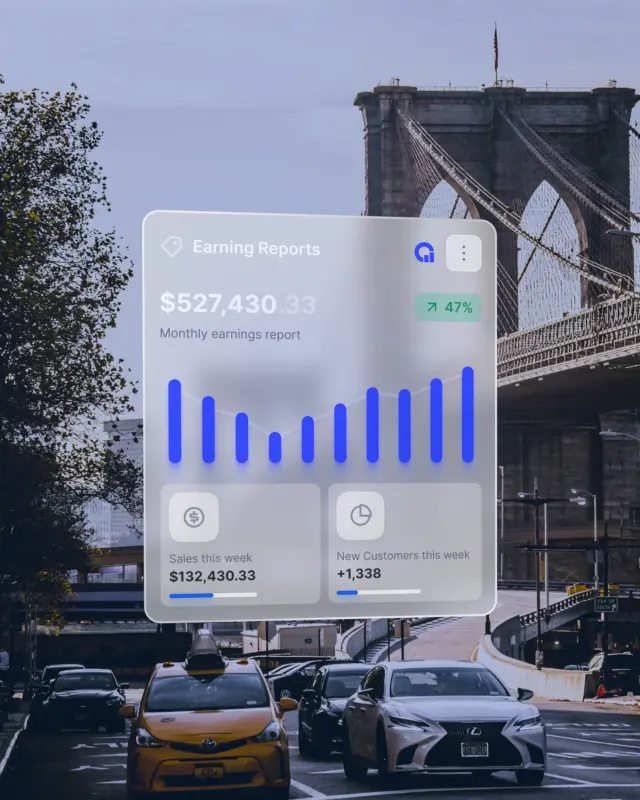
Attribution arguments waste time and block good decisions. We set measurement up so it is good enough to guide spend, creative and roadmap choices, and we are honest about what is knowable. Tracking work can include GA4 hygiene, conversion event design, server-side tracking where appropriate, and consistent UTMs. Reporting lives in a real-time dashboard, with views that match how you run the business, such as channel performance, funnel conversion, cohort retention and creative learnings. We also use incrementality thinking where it matters, like geo holdouts or controlled tests for bigger budget shifts. For example, if brand search rises after a video push, we look at the whole picture rather than declaring victory based on last click. The outcome is faster iteration and fewer surprises in board meetings.
Operating rhythm, SLAs and ways of working
Good marketing is mostly good operations. We set a working rhythm that keeps delivery moving and prevents strategy decks from becoming a comfort blanket. You get a named lead, specialist channel owners, and access to top-tier US and UK talent, scaled up or down based on your needs. We agree response times, approval flows and who owns what across creative, landing pages, tracking and budget changes. Campaign planning happens in short cycles, with clear priorities and a shared backlog, so work does not disappear into a black box. We also help your internal stakeholders, like product, sales and finance, stay aligned with what marketing is doing and why. The outcome is a calm, consistent cadence, less context switching, and a team that behaves like your internal staff while staying on a monthly rolling basis.