Creative Velocity and Sprint-Based UA Keep Monopoly Mobile Scaling Profitably
Monopoly is the official mobile adaptation of Hasbro's legendary board game, competing for installs in a crowded casual gaming market. Sustaining profitable growth requires tight UA economics and constant creative refresh. Growthcurve delivers sprint-based paid acquisition, app store optimisation, and a high-velocity creative pipeline that keeps performance compounding.
The Most Famous Board Game in the World Needed a Mobile Growth Engine
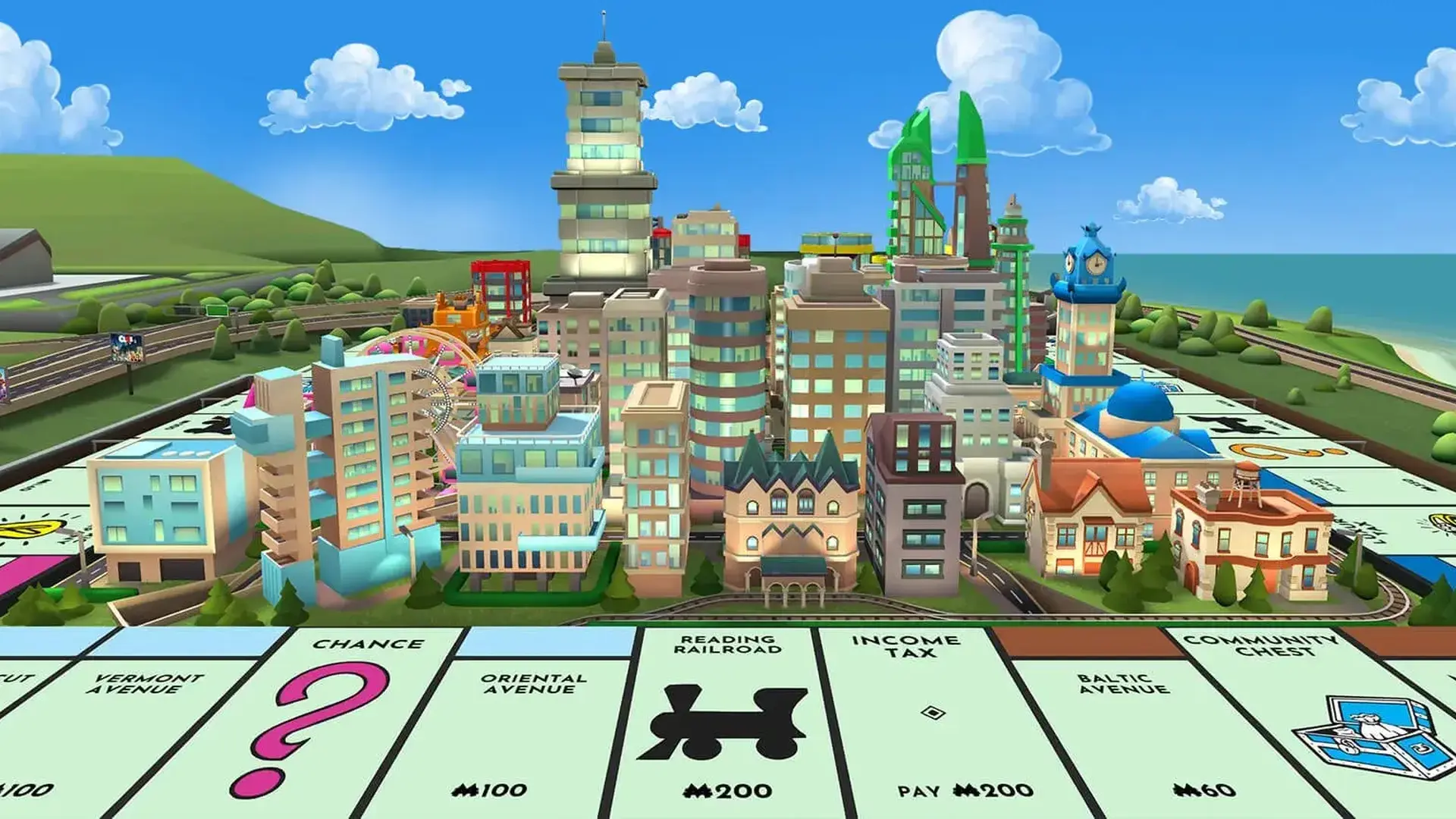
Monopoly needs no introduction as a brand, but the mobile edition faces challenges that name recognition alone cannot solve. Published on iOS and Android, the game translates the full board game experience into digital form, complete with property trading, auctions, houses and hotels, Chance and Community Chest cards, and both local pass-and-play and online multiplayer modes. It competes not only against other digital board game adaptations like Catan and Risk but against every casual title fighting for the same session time and install budget.
The game monetises through a premium download price plus in-app purchases for cosmetic boards and token sets, which means every acquired user must generate measurable value quickly. Day-seven retention and average revenue per daily active user are the metrics that determine whether UA spend compounds or bleeds. Growthcurve was engaged to run sprint-based paid user acquisition, optimise app store conversion through ASO, and build a creative production pipeline fast enough to sustain testing velocity across Meta, Google App Campaigns, TikTok, and Apple Search Ads simultaneously.
Platform Mix Tuned to Monopoly's Audience Signals
We allocate Monopoly's UA budget across Meta Advantage+ app campaigns, Google App Campaigns, TikTok Spark Ads, and Apple Search Ads using a dynamic model that shifts spend weekly based on cost-per-install and day-seven ROAS by platform. Audience segmentation separates casual board game players, Hasbro brand loyalists, and competitive multiplayer seekers into distinct ad sets, each receiving tailored creative.
Bid strategies differ by platform: we run target CPA on Meta, tROAS on Google, and maximum delivery on TikTok during launch windows. Budget never locks to a fixed split. It follows the signal.
Nostalgia Hooks, Playable Ads, and Forty Variants Every Two Weeks
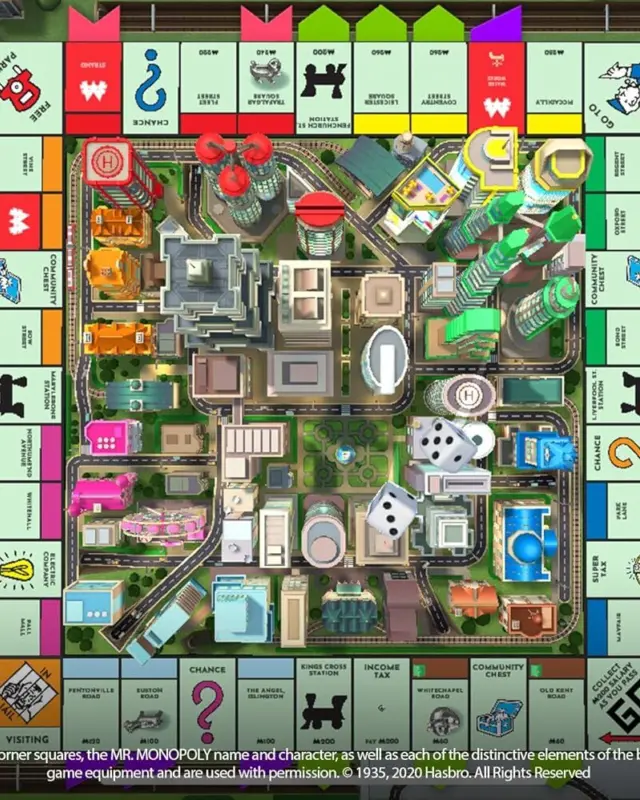
Every two-week sprint produces roughly forty creative variants spanning video, static, and interactive playable formats. Video hooks run fifteen seconds and follow our Monopoly-specific taxonomy: nostalgia-led openers featuring the classic board, competitive-tension cuts showing property standoffs, and social-play sequences highlighting online multiplayer. Playable ad units let users roll dice and buy properties before downloading.
We track click-through decay per variant and trigger automated suppression when fatigue sets in, recycling budget to fresh assets. This velocity prevents the performance cliffs that plague campaigns relying on a handful of long-running creatives.
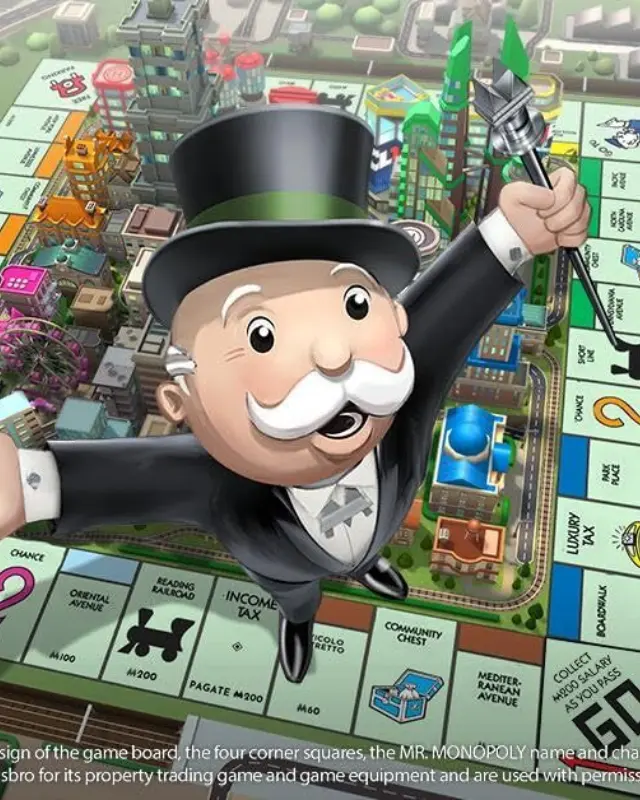
Screenshot Sequencing and Preview Thumbnails That Lift Monopoly's Store Conversion
ASO is the conversion surface where paid traffic either converts or leaks. We run continuous A/B tests through App Store Connect experiments on subtitle copy, screenshot sequencing, and preview video thumbnails. Winning screenshot orders consistently place the multiplayer board view in position one, followed by token customisation and the classic property trading screen.
Preview video thumbnails showing the dice-roll animation outperform static board shots by a measurable margin. Every winning ASO element feeds back into paid creative briefs, ensuring the ad-to-store experience feels seamless rather than disjointed for players arriving from any channel.
Inside the Sprint Feedback Loop Connecting Monopoly's Ads to Its App Store Page
The most technically demanding aspect of this engagement is the feedback system connecting every channel. Each two-week sprint opens with a data review pulling cost-per-install, day-seven retention, and ARPDAU by creative variant, platform, and audience segment from our AppsFlyer attribution dashboard. Variants that hit ROAS threshold graduate to scaling budgets. Those that miss are autopsied for learnable signals. A nostalgia hook that underperformed on TikTok but converted on Meta tells us the format failed, not the message, so we rebriefed the same narrative as a five-second vertical cut rather than a fifteen-second landscape piece.
These learnings feed a creative briefing document updated every sprint, which production uses to generate the next cycle's variants. The loop extends to ASO: when a screenshot sequence wins an App Store Connect experiment, we extract the visual hierarchy for paid static assets. When a paid video hook outperforms, we test its opening frame as a preview video thumbnail. This bidirectional flow between paid creative and organic store presence produces compounding gains. Every creative is tagged with custom AppsFlyer event mappings tracing users from first impression through their seventh day of play.





Monopoly's 3.8X ROAS and the Privacy Shifts Rewriting Mobile Game Acquisition
The engagement has produced a 3.8X return on ad spend across paid channels, a 17% lift in day-seven retention through creative and targeting refinements, and a 12% increase in ARPDAU driven by tighter audience matching that brings in players who engage with premium board sets and token collections. These results reflect a system, not a single optimisation. The nostalgia hook taxonomy we developed for Monopoly has proven that emotional creative framing outperforms feature-led messaging for heritage IP, a principle we have since adapted for other licensed game titles in our portfolio.
Looking ahead, Apple's SKAdNetwork 4.0 and Google's Privacy Sandbox for Android are compressing the attribution signals mobile UA teams rely on. For a title like Monopoly, where the purchase price creates a hard conversion event, first-party postback data becomes more valuable than probabilistic modelling. We are already shifting budget toward Apple Search Ads, where deterministic attribution survives privacy changes, and building predictive LTV models using on-device engagement signals rather than third-party event streams. The teams that adapt fastest to this signal loss will capture disproportionate share in premium casual gaming.