Growing a Faith Based Dating App Where Retention Depends on Verified Intentional Users
Holy is a Christian dating and friendship app built by married couple Kathleen and Jonathan under United Young Inc. in New York, competing against Christian Mingle, Upward, CDFF, and mainstream apps like Tinder, Bumble, and Hinge for 70 million US Christians. The challenge is acquiring users who stay past D30 in an ad-free, community-funded app where every profile is manually vetted. We scale user acquisition across Apple Search Ads, paid social, paid search, and video with unlimited creative variants and an hourly-refresh performance dashboard.
A Married Couple's Mission to Replace Swiping With Waving for 70 Million US Christians
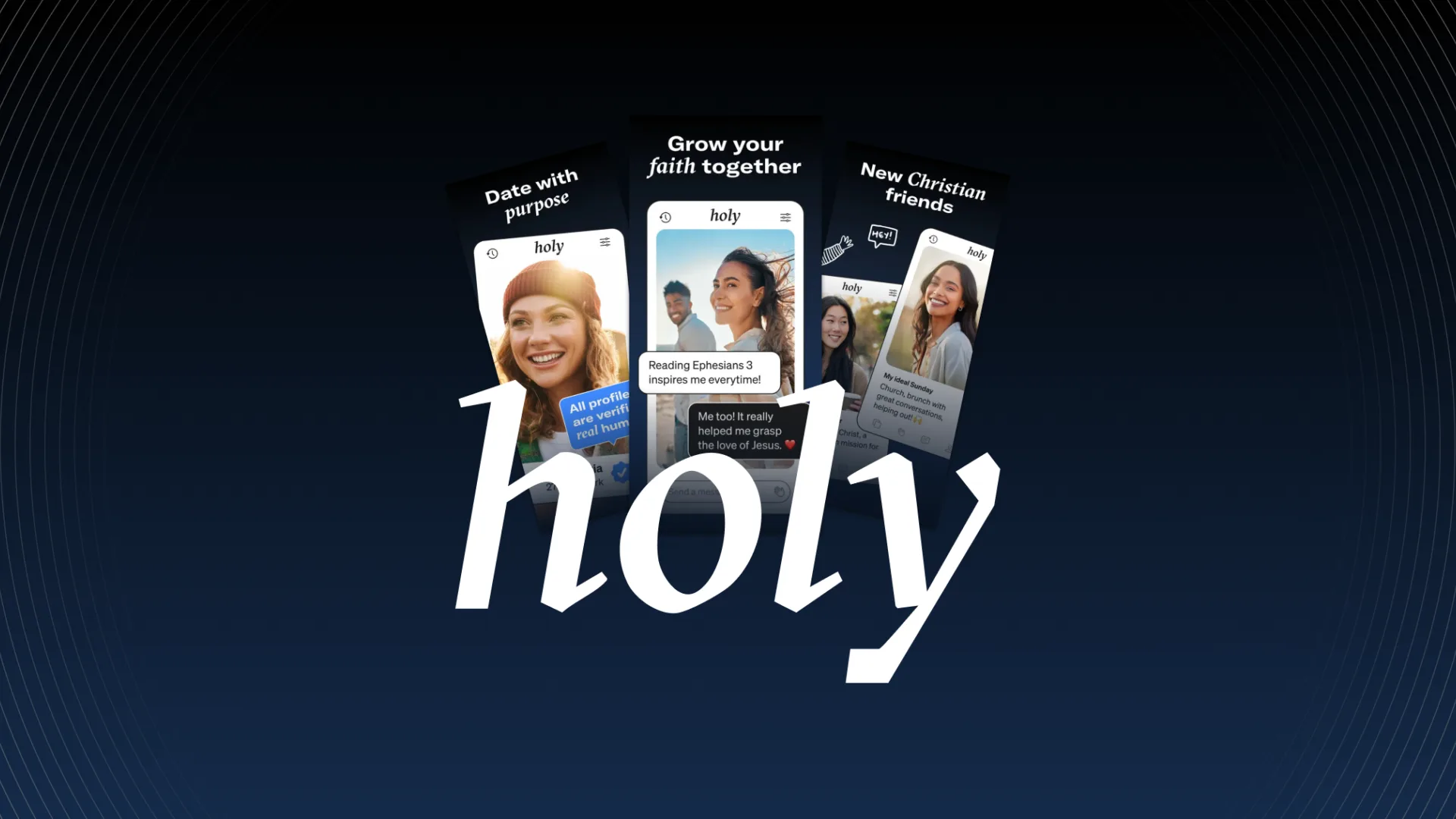
Holy was created by Kathleen and Jonathan, a married couple who built the app under United Young Inc. at 31 Hudson Yards in New York to help people meet others who love Jesus. Originally launched as United Young and rebranded, the app won both Jury and People's Choice Awards at NYC Redeemer Presbyterian's Center for Faith and Works Startup Pitch Night. It holds a 4.7-star rating from 30,000 iOS reviews, with a recent Android launch expanding reach.
The core mechanic replaces swiping with waving: users wave at profiles of interest, mutual waves unlock chat, and built-in pacing with scripture reminders prevents the 150-meetings-in-15-minutes burnout that plagues Tinder and Bumble. Every profile is manually reviewed with selfie verification to eliminate trolls. The app is free with no ads and no data selling, funded entirely through optional Supporter subscriptions that unlock features like wave history, priority messages, and read receipts. Holy welcomes users who confess Jesus Christ as Lord per the Nicene Creed, spanning Catholics, evangelicals, Anglicans, Baptists, Orthodox, Pentecostals, Lutherans, Methodists, and new believers. Competitors include Upward's swipe-based freemium model, CDFF's free messaging, Christian Mingle's relationship focus, and Crosspaths' Facebook church matching, but none combine manual vetting with paced interaction design. They needed a growth partner who could acquire retained believers rather than curiosity downloads.
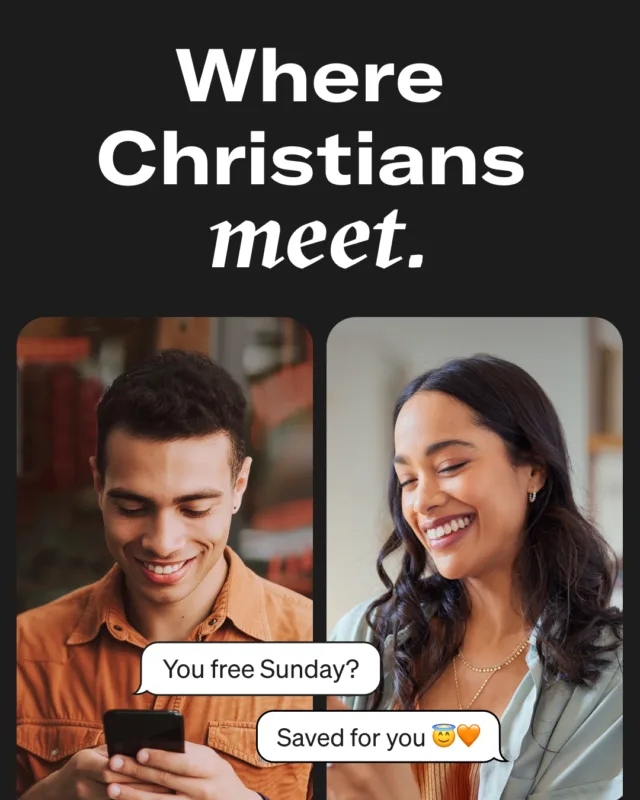
Apple Search Ads Meta and TikTok Targeting Christians Who Complete Profiles
We structure Holy's paid acquisition across Apple Search Ads, Meta, TikTok, and Google with campaigns segmented by intent level. Apple Search Ads run brand defence against Christian Mingle, Upward, and CDFF plus category capture on queries like Christian dating app. Meta layers denomination interest signals with relationship status and 18 to 35 age targeting across US tier-one cities including NYC, LA, Chicago, and Dallas.
TikTok campaigns target Christian content viewers via app event optimisation toward profile completion. Budget shifts weekly based on cost per mutual wave from our attribution layer, not cost per install, keeping spend on the channel producing engaged believers.
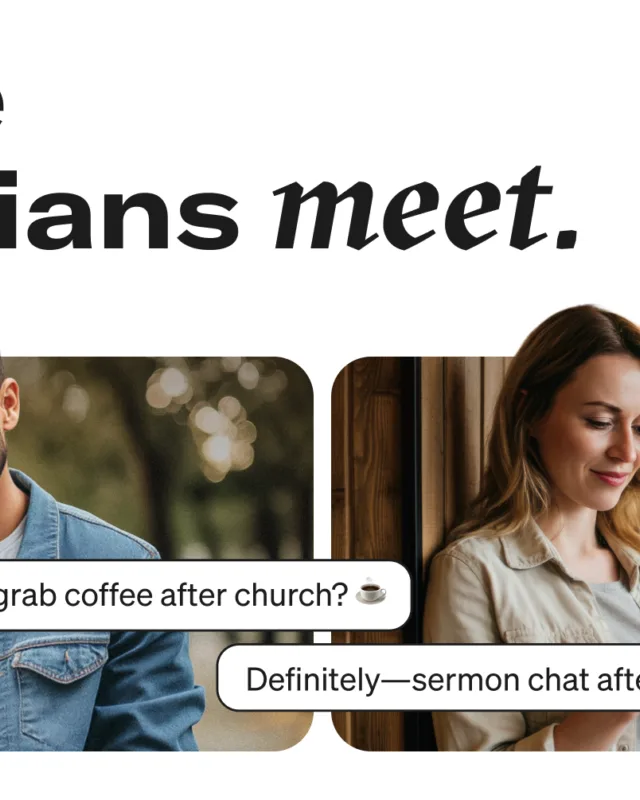
Testimonial UGC From Real Couples Outperforming Feature Ads by 2.4x
Our creative lab ships 15 to 20 new variants weekly for Holy across motion, UGC, and static formats. The hook taxonomy maps to four motivations: frustration with swipe culture on Tinder and Bumble, desire for verified profiles and real Christians, the waving mechanic as a calmer alternative, and success stories from couples who met on the app and married.
Testimonial UGC from real Holy users sharing how they met their spouse outperforms feature-led creative by 2.4x on cost per install. Winners scale within 48 hours while underperformers recycle into new format combinations on a weekly fatigue cycle tracked by frequency-adjusted CTR across each platform.
An Hourly Dashboard Encoding Mutual Waves as the Highest Value SKAN Event
We built Holy's measurement stack on an hourly-refresh dashboard tracking cost per install, cost per mutual wave, and D30 retention across every paid channel. Apple's ATT framework removes granular post-install data from roughly 75% of iOS users, so our SKAN conversion value schema encodes mutual wave completion as the highest-value postback, teaching bid algorithms which creative and keyword combinations produce engaged users.
The dashboard separates vanity installs from wave-active users, the metric that predicts Supporter subscription and referral value. This signal architecture is the single most important decision in the engagement, ensuring we never optimise toward downloads that inflate reports but generate zero LTV.
Teaching Apple Search Ads to Find Christians Who Wave Back Within Seven Days
The technical challenge is acquiring users who complete a mutual wave within seven days of install, not users who download out of curiosity and never build a profile. Holy's community-funded model means every install must earn its cost through eventual Supporter conversion or referral value. In a post-ATT environment where Apple restricts granular event data from roughly 75% of iOS users, optimising toward downstream engagement requires careful SKAN configuration.
We structure Holy's Apple Search Ads campaigns around brand, competitor, and category keyword groups. Brand campaigns defend against Christian Mingle, Upward, and CDFF bidding on Holy's name. Competitor campaigns target users searching for those apps by name, leading with Holy's manual vetting and no-swipe differentiators. Category campaigns capture broader queries like Christian dating app and faith-based relationships. Our SKAN conversion value schema encodes mutual wave completion as the highest-value postback event, teaching Apple's algorithm which keyword and ad combinations produce engaged users. On Meta, interest layering combines Christian denomination signals with relationship status and age 18 to 35 targeting. TikTok campaigns run app event optimisation toward profile completion, the earliest reliable proxy for wave activity. Each platform feeds daily cohort data into our hourly-refresh dashboard, surfacing cost per mutual wave alongside cost per install so budget flows to the channel producing believers who engage.




D30 Retention Up 22% as Android Launch and Hispanic Evangelicals Expand the Addressable Market
The engagement has delivered a 22% lift in D30 retention, a 16% reduction in cost per install, and an 11% increase in organic signups driven by paid-to-organic halo effects in App Store rankings. The retention improvement matters most because Holy's pacing model creates a compounding referral loop: a retained user who finds a genuine connection becomes an advocate who refers friends from their church community, generating organic installs with higher activation rates than any paid channel.
We adapted the standard dating app playbook for a product where the anti-swipe mechanic means users engage less frequently but more meaningfully. Rather than optimising for session frequency like Tinder or Bumble advertisers, we optimise for mutual wave completion and chat initiation, the events that predict Supporter subscription and 90-day retention. Creative testing uses testimonial hooks from real users who met spouses through Holy, outperforming feature-led messaging by 2.4x on conversion rate. The faith-based dating segment is growing through two forces: Holy's Android launch opens the 45% of US smartphone users on Google Play who previously had no access, and Hispanic evangelical communities, growing 20% annually, represent an underserved audience we are building Spanish-language creative for. Apple's continued ATT enforcement further advantages Holy's ad-free model while competitors like Christian Mingle absorb 15 to 25% revenue declines from advertising signal loss.