Scaling an Affordable Aromatherapy Brand Without Surrendering Margin to Marketplaces
The Self Care People sells essential oil blends, wellness kits, and self-care subscriptions direct to UK consumers in a £1.2 billion aromatherapy submarket dominated by premium players like Neom and Puressentiel. Competing on price and accessibility while protecting DTC margins required a commission-free performance engine. We run paid social, search, shopping feed optimisation, creative production, and attribution across dozens of SKUs.
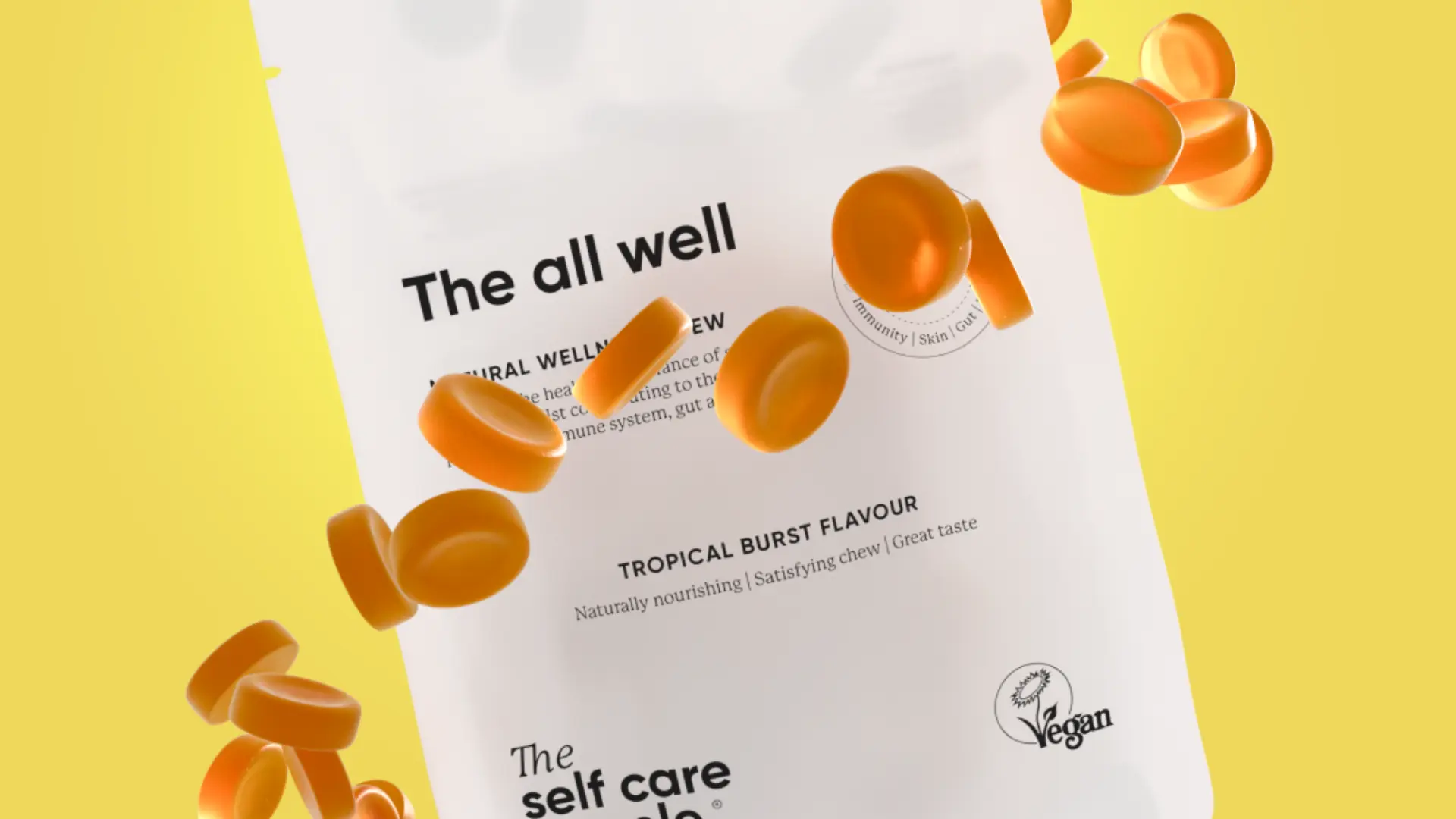
Organic Oils and Evidence-Based Blends in a Crowded Aromatherapy Market
The Self Care People is a UK direct-to-consumer wellness brand selling aromatherapy essential oil blends, curated self-care boxes, and personalised subscriptions starting at £25 monthly. Incorporated as The Self-Care Company Limited in 2022 under company number 14033744, the brand targets busy professionals, parents, and remote workers with lavender, chamomile, and citrus stress-relief formulas in rollerball applicators, diffusers, and bath soaks alongside journals, herbal teas, and guided audio meditations. Formulations prioritise organic, vegan ingredients compliant with UK Soil Association standards, avoiding synthetic fragrances linked to skin sensitisation.
The brand competes in a £1.2 billion UK aromatherapy submarket against Neom Wellbeing with Harrods partnerships and £50-100 premium pricing, Self Care Co's founder-led positioning, Puressentiel's 2,000-outlet pharmacy distribution, and Aromatherapy Associates' 25-year heritage holding 15% of the premium segment. With NHS waitlists exceeding 7.6 million pushing consumers toward private self-care alternatives and 68% of UK adults engaging in weekly routines, demand grows at 7.2% CAGR. But subscription fatigue affects 20% of wellness buyers, and post-Brexit tariffs add 5-8% to essential oil sourcing from India and Australia. Scaling dozens of SKUs profitably required a commission-free performance partner.
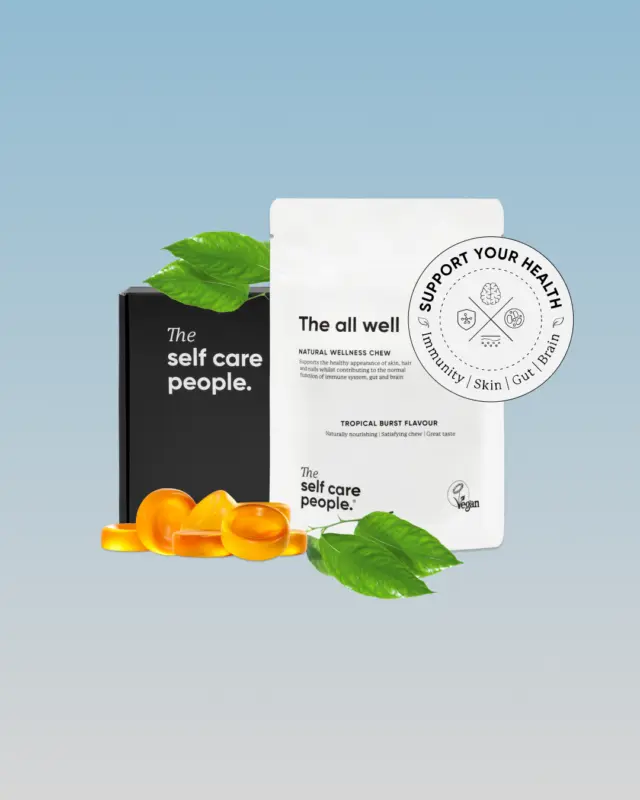
Subscription and One-off Buyers Segmented Across Three Paid Social Surfaces
We run The Self Care People's paid social across Meta, TikTok, and Pinterest, three platforms where the 25-44 female wellness demographic overindexes. Meta Advantage+ Shopping Campaigns use product catalogue feeds segmented by margin tier and repurchase rate, letting the algorithm allocate impressions to high-LTV SKUs like lavender sleep rollerballs. TikTok targets the growing 18-30 segment where micro-influencer wellness content drives 30% of DTC traffic. Pinterest captures high-intent searches for 'self-care gift box' and 'aromatherapy subscription'. Budget shifts weekly based on trailing cost per acquired subscriber versus one-off buyer, prioritising the cohort delivering higher lifetime value.

Unboxing Hooks and Sensory Close-ups on a Continuous Testing Cycle
Our creative pipeline produces motion, UGC, and static variants in unlimited volume, testing across four hook categories: sensory unboxing moments showing glass bottles and oil drops, before-and-after routine sequences, micro-influencer testimonials filmed on phones, and ingredient close-ups emphasising organic Soil Association credentials. UGC sensory hooks outperform polished lifestyle imagery by 2.1x on click-through rate. We test hooks independently from product cards and end frames, isolating which opening seconds drive clicks versus which drive add-to-cart events. Winners graduate into scaled Advantage+ creative catalogues within 48 hours. Seasonal creative swaps for winter immunity and summer energy kits keep relevance aligned to quarterly subscription refreshes.

Shopping Feeds Optimised by Repurchase Velocity and Seasonal Demand
Google Shopping runs through Performance Max with a Merchant Centre catalogue enhanced by supplemental feeds adding benefit-led titles, price-per-use framing, and custom labels for margin tier and seasonality. High-intent queries like 'organic lavender oil UK' and 'aromatherapy subscription box' are embedded into feed-level titles, split-tested against shorter branded variants. Custom labels segment SKUs into evergreen replenishment products like rollerballs and seasonal kits like winter immunity boxes, each receiving distinct bidding strategies. The hourly-refresh dashboard tracks cost per acquisition at the individual SKU level, enabling same-day budget reallocation when a product line breaks through or fatigues.
SKU Level Feed Signals That Teach Algorithms Which Blend Sells to Which Buyer
Most DTC wellness brands run a single campaign pointing at a homepage. With dozens of SKUs spanning rollerball applicators, diffusers, bath soaks, subscription boxes, and seasonal kits, we treat The Self Care People's catalogue as a structured data problem. Every product feeds into a Merchant Centre catalogue optimised with custom labels segmenting SKUs by margin tier, seasonal relevance, and repurchase velocity. Lavender sleep rollerballs, the highest repeat-purchase SKU, receive dedicated budget allocation separate from winter immunity kits that spike in Q4.
On Meta, we run Advantage+ Shopping Campaigns with the product feed piped through a supplemental feed layer adding benefit-led copy, sensory imagery tags, and price-per-use framing. Each SKU triggers distinct ad sets matching product type to audience segment: diffusers target homeowners aged 30-44 while rollerballs target commuters 25-34 via mobile-only placement. Google Shopping uses Performance Max with feed-level title optimisation embedding high-intent search terms like 'organic lavender oil UK' and 'aromatherapy subscription box', split-tested against shorter branded variants. An hourly-refresh dashboard surfaces cost per acquisition by individual SKU, letting us reallocate budget within the same day when a product breaks out.






Affordable Wellness Scaled Through Creative Velocity Not Marketplace Dependence
The engagement has delivered 4x ROAS on paid social, a 27% higher repeat purchase rate among acquired cohorts, and a 12% lift in average order value driven by cross-sell sequencing in post-purchase flows. These results confirm a thesis we hold for every DTC brand: owning the customer relationship through performance channels protects margin in ways marketplace listing fees never can. The Self Care People's 50% gross margin on direct essential oil sales versus 30% through retail channels makes every percentage point of acquisition efficiency directly accretive.
We innovated by building UGC creative pipelines around the sensory unboxing moment, the 3-second hook of opening a glass bottle and inhaling, which consistently outperforms lifestyle imagery by 2.1x on click-through. The forward opportunity sits in three converging shifts. AI-powered wellness personalisation quizzes are lifting DTC conversion rates 25% per Mintel data. MHRA regulatory tightening on efficacy claims will squeeze competitors relying on unsubstantiated marketing, favouring brands like The Self Care People with Soil Association compliance. And the 28% rise in male wellness spending opens new audience segments beyond the core 25-44 female demographic.