

Partnership ads are half of HelloFresh's live Meta ads and none of Duolingo's
| Advertiser | |
|---|---|
| HelloFresh | 56.2% |
| Poppi | 38.4% |
| AG1 | 34.5% |
| Polymarket | 11.8% |
| Kalshi | 7.2% |
| e.l.f. | 7.1% |
| SKIMS | 3.5% |
| Glossier | 1.8% |
| Alo | 1.8% |
| HubSpot | 1.2% |
| Notion | 0% |
| Duolingo | 0% |
| Coinbase | 0% |
| rhode | 0% |
AG1's 376 creator-handle ads share 48 captions written by the brand
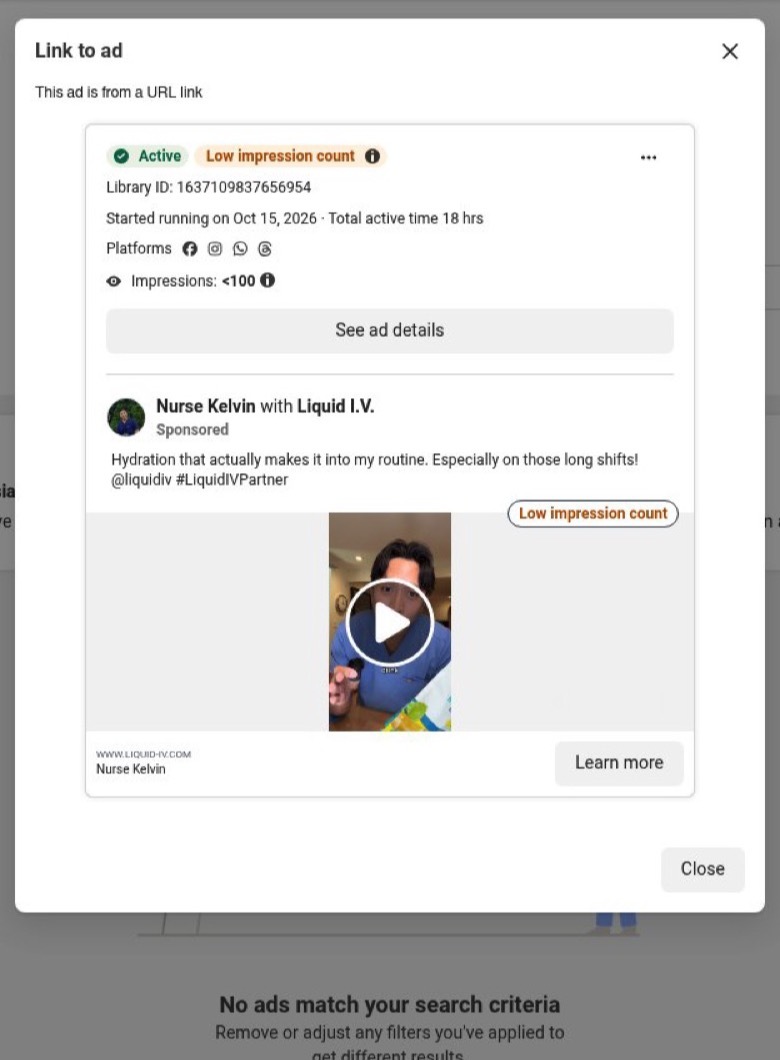
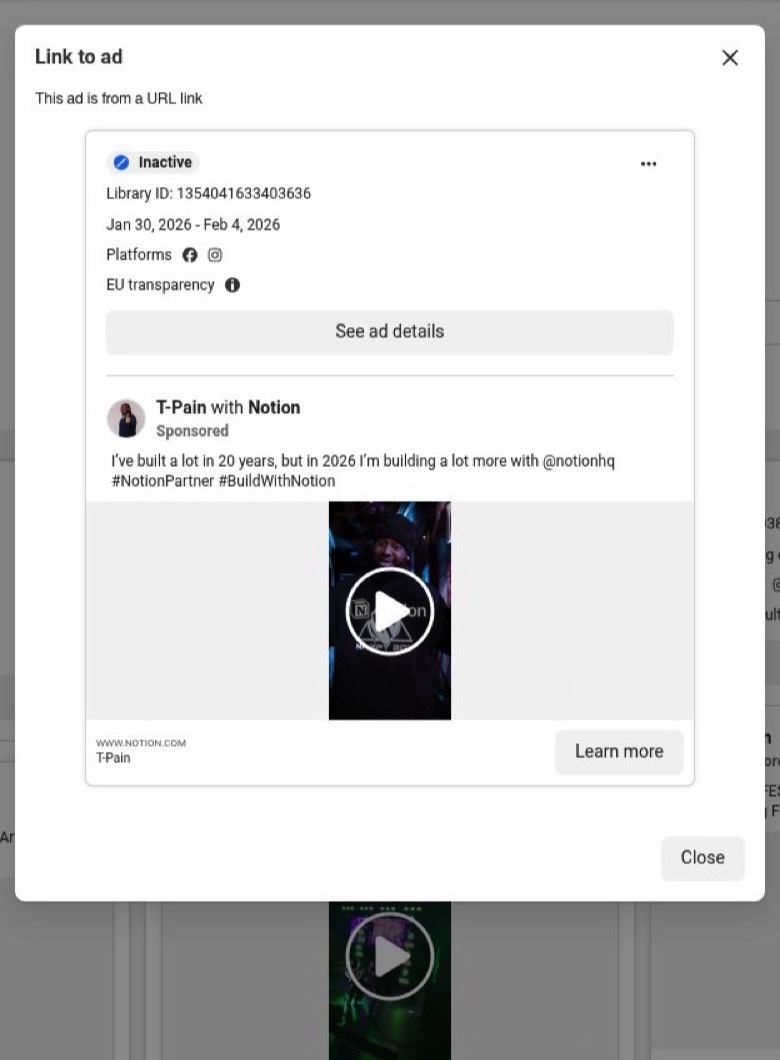
Meta puts one label on two different products. The first is a creator's own post with money behind it. Poppi has 77 of 78 captions in the creator's voice, Liquid I.V. 32 of 32, e.l.f. 36 of 39, Glossier 44 of 46, Notion all 15. Those cluster around launches: Poppi's 18 UK ads in March 2026, Notion's one burst from 7 January to 4 February, Liquid I.V.'s 25 on 15 October.
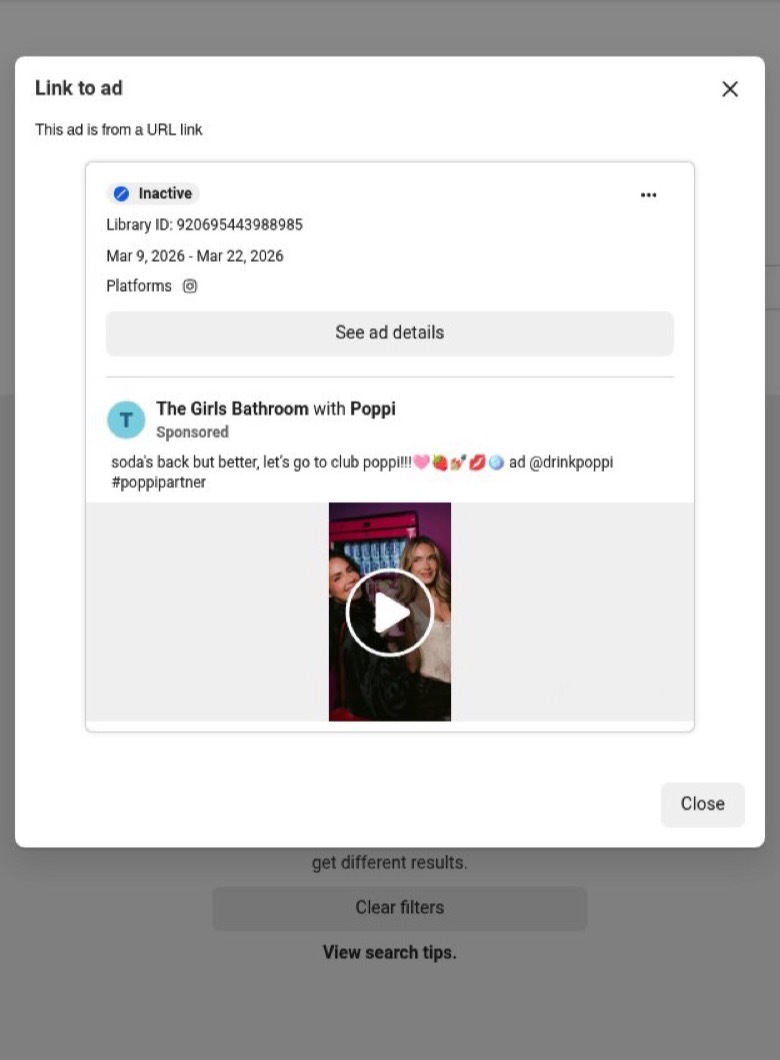
The second is a brand ad with a creator's name in the header. AG1's 376 partnership ads share 48 copy texts. SKIMS's 46 share 18 and carry no creator markers at all. 8.4% of HelloFresh's carry a tag or #ad. 149 of HelloFresh's 226 and 260 of AG1's 376 are DCO. 28 of AG1's 51 partners have under 100 page likes, and together they ran 198 ads.
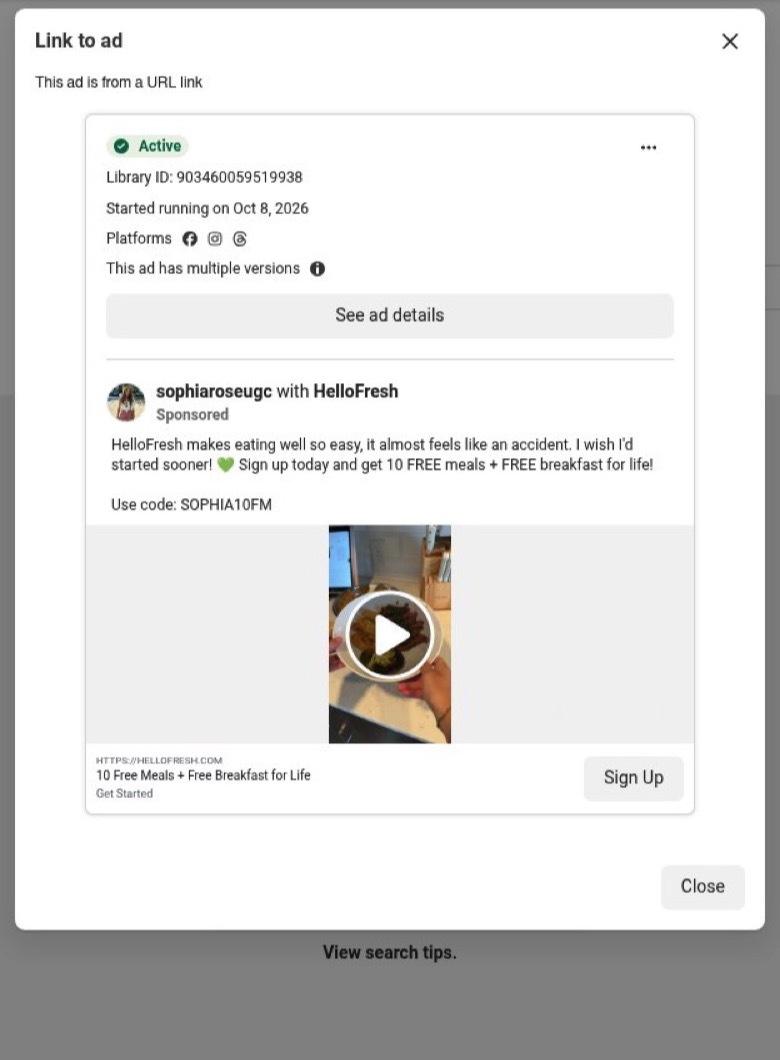
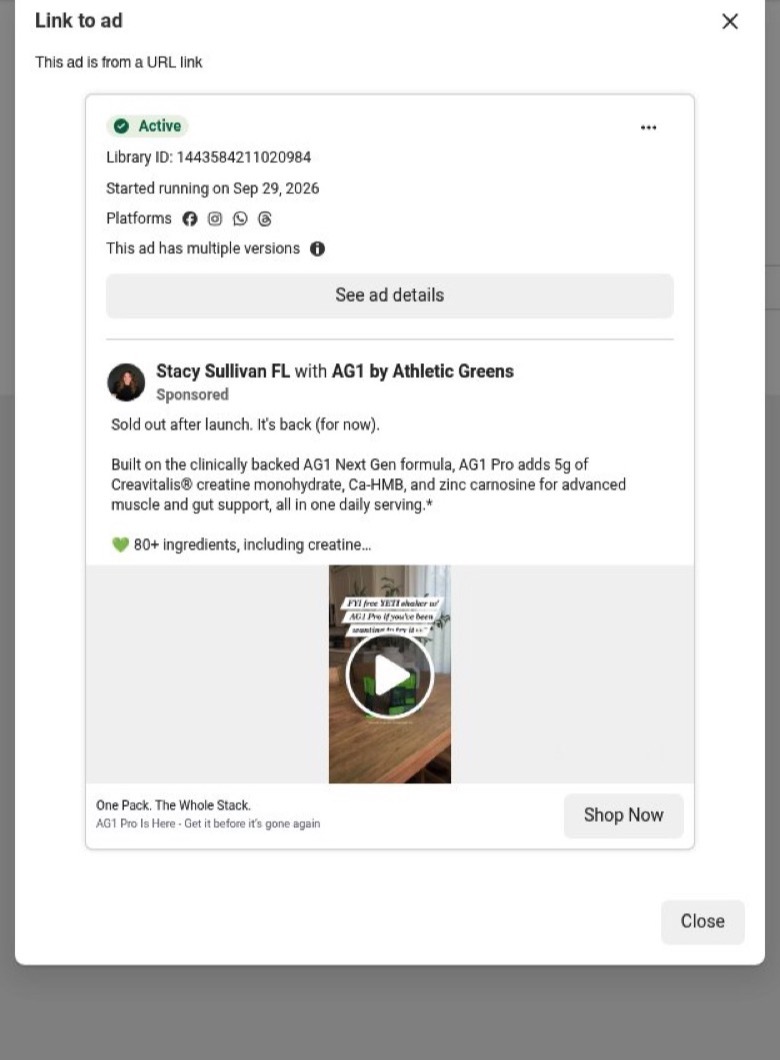
The programmes that scale are the second kind. The brand writes the caption, picks the offer, builds the DCO set and borrows a face for the header. The face doesn't buy a longer life either. Among finished ads, Poppi's partnership ads ran a median 8 days against 21 for its brand-handle ads, Notion's 7 against 61 and AG1's 9.5 against 9. Only Glossier and SKIMS ran theirs a few days longer.
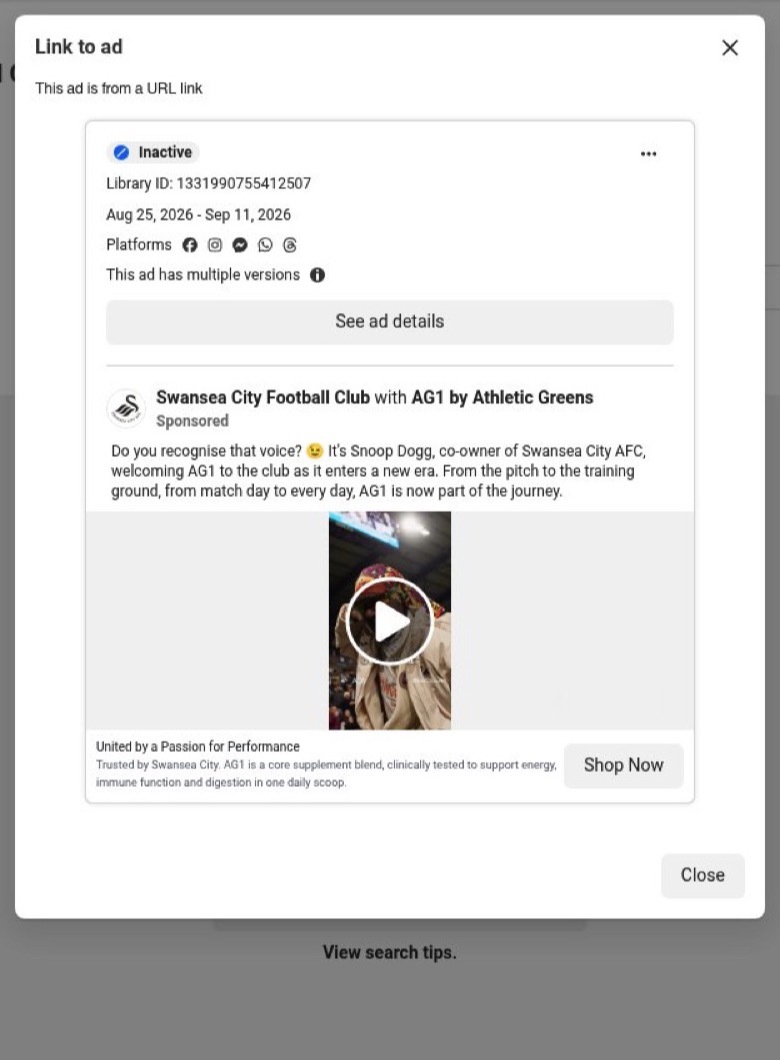
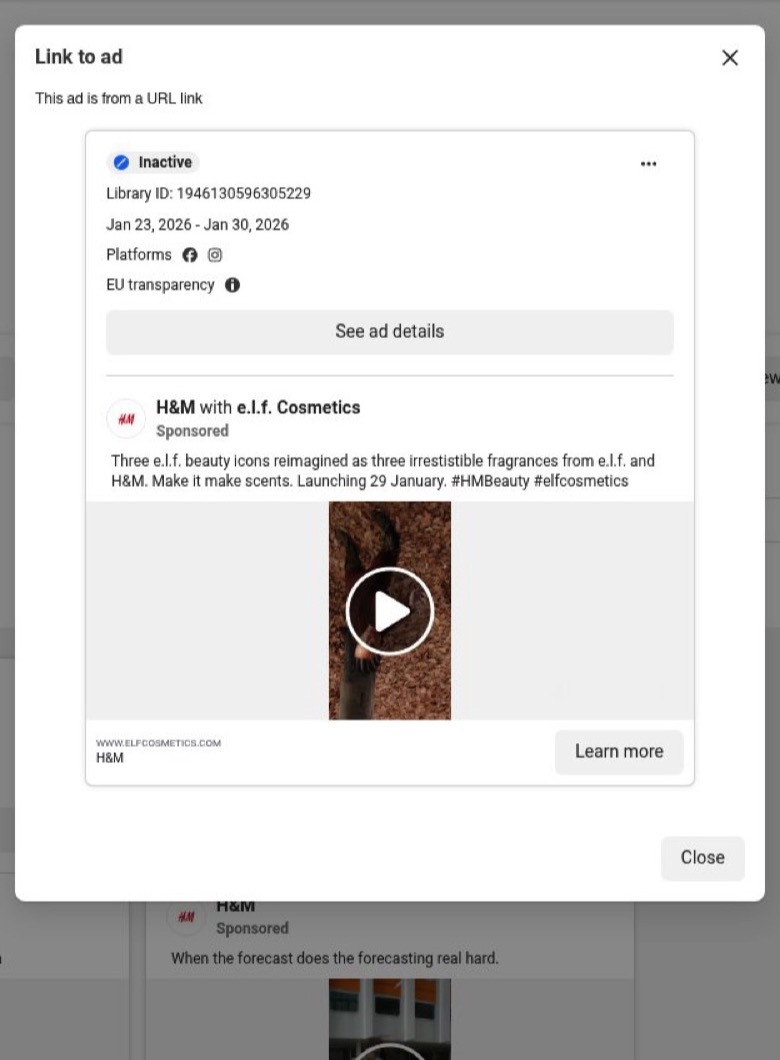
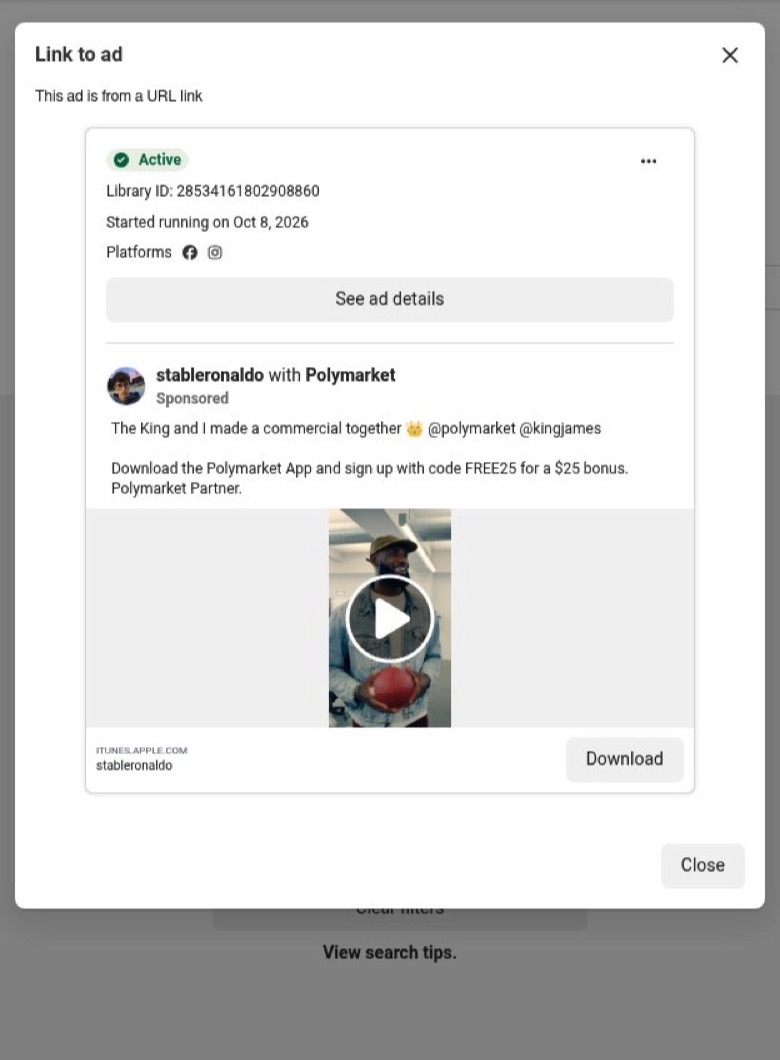
The partner is often not a person. The Dodo, LaLiga, Swansea City, H&M with e.l.f. as the partner, and Maxine the Fluffy Corgi. LeBron arrives through stableronaldo's handle, Dez Bryant for a six-day burst from his own.
15 Notion creator ads reached 44M in the EU, 753 own ads 12M
Notion ran 15 partnership ads between 7 January and 4 February 2026 and they reached 44.1M people in the EU. The 753 ads it launched from its own handle that month reached 11.9M. T-Pain's one ad did 25.6M in six days from a 13.3M-like page. A big handle buys a short spike in reach. HelloFresh does the opposite, with 157 partnership ads launched in the first half of October.
Only Instagram's collab post is organic co-authorship, the rest are paid placements
Three things get called a collab, and only one of them is a co-authored post.
The collab post exists on Instagram alone. Up to five collaborators on a feed post, multiple on a reel, none on Stories. The invitee has to accept, and the post then sits on both profiles and goes to both sets of followers. Since November 2025 a collaborator can be added after publishing. Facebook Pages are capped at 10 invitations per Page per 24 hours. TikTok is testing a five-creator version.
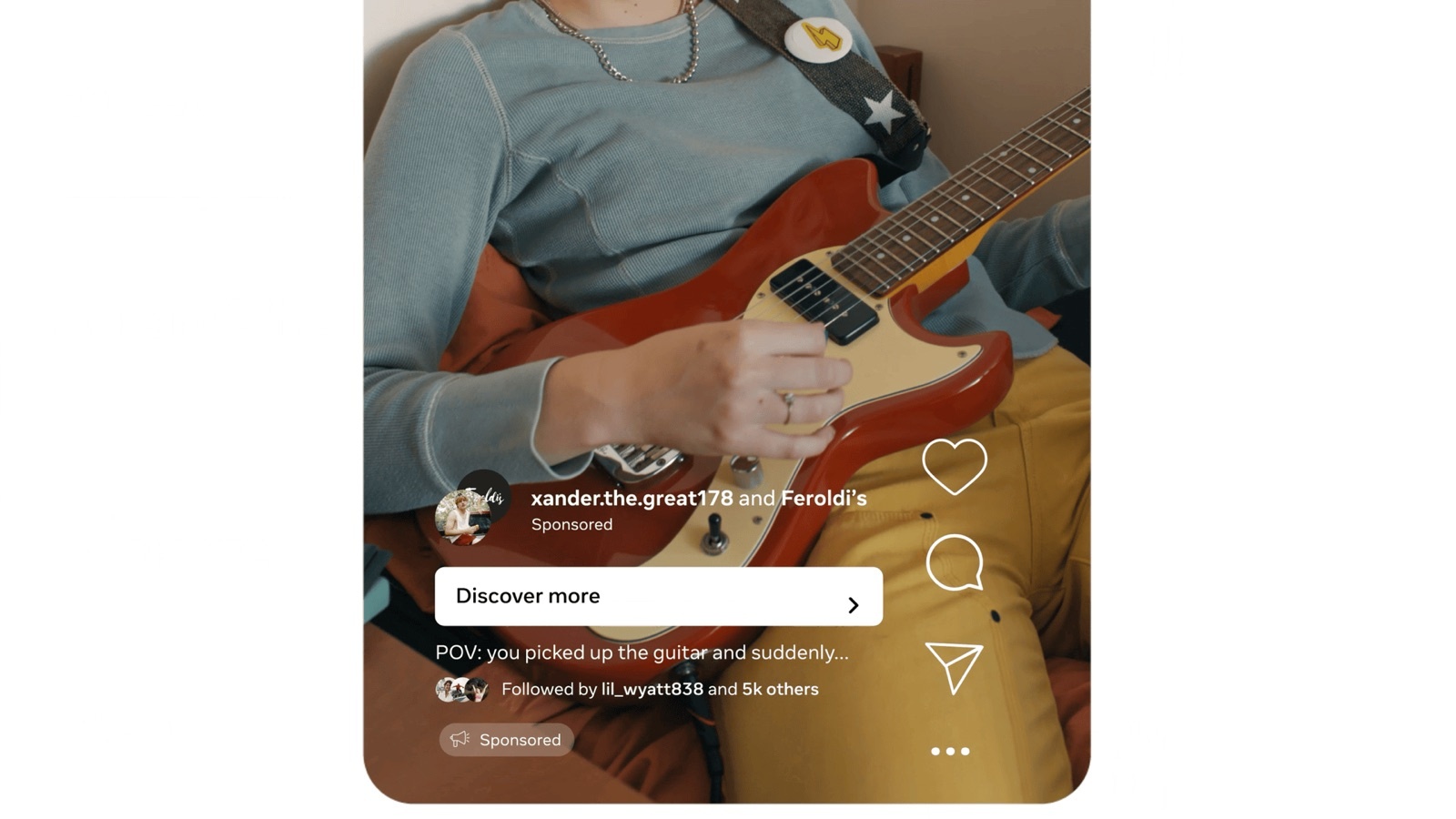
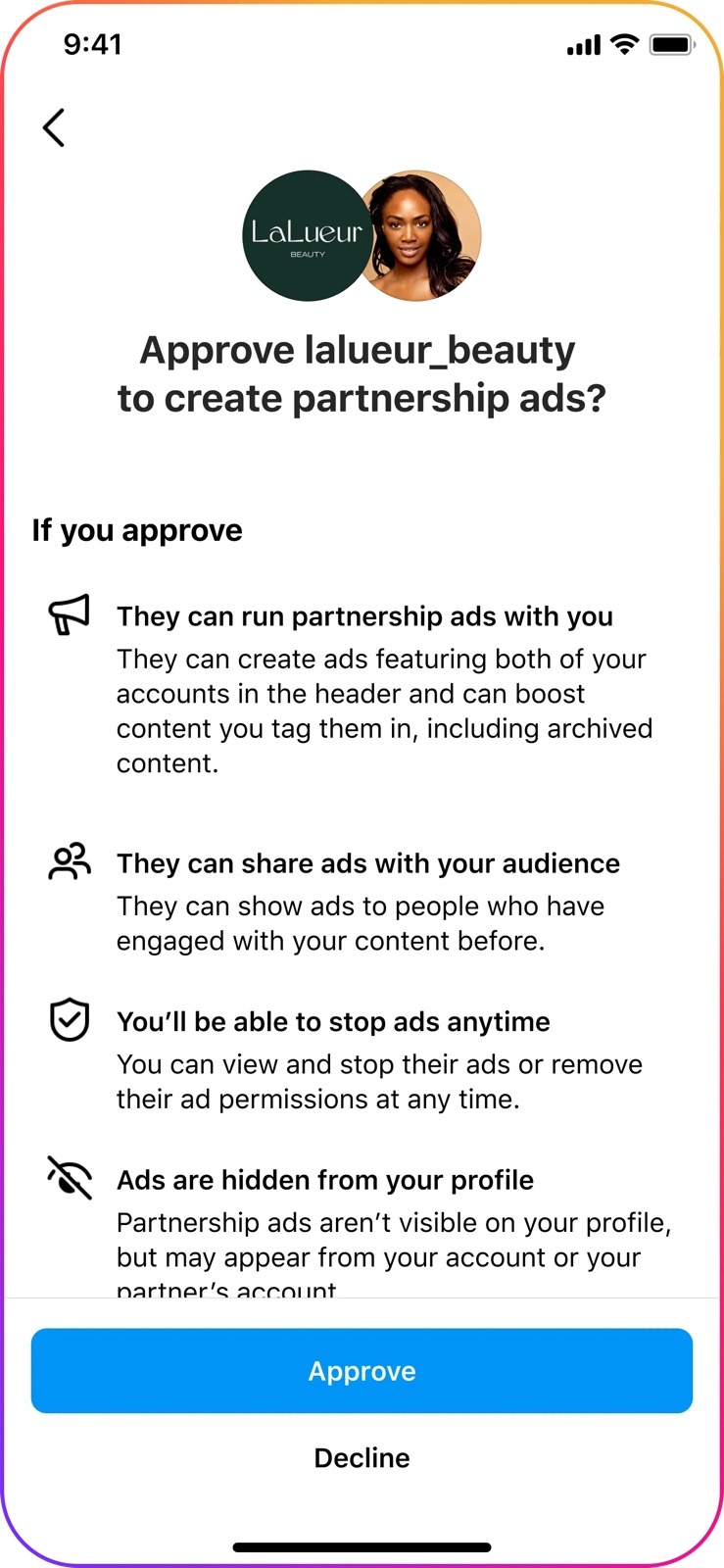
The second thing is paid amplification of a creator's post. Each platform has its own name for it, and the list below uses the platform's name every time. Meta's partnership ads can carry one or both handles in the header since July 2025. Pinterest now lets brands put spend behind Pins creators have already published, with no sponsorship deal first. X has nothing self-serve.
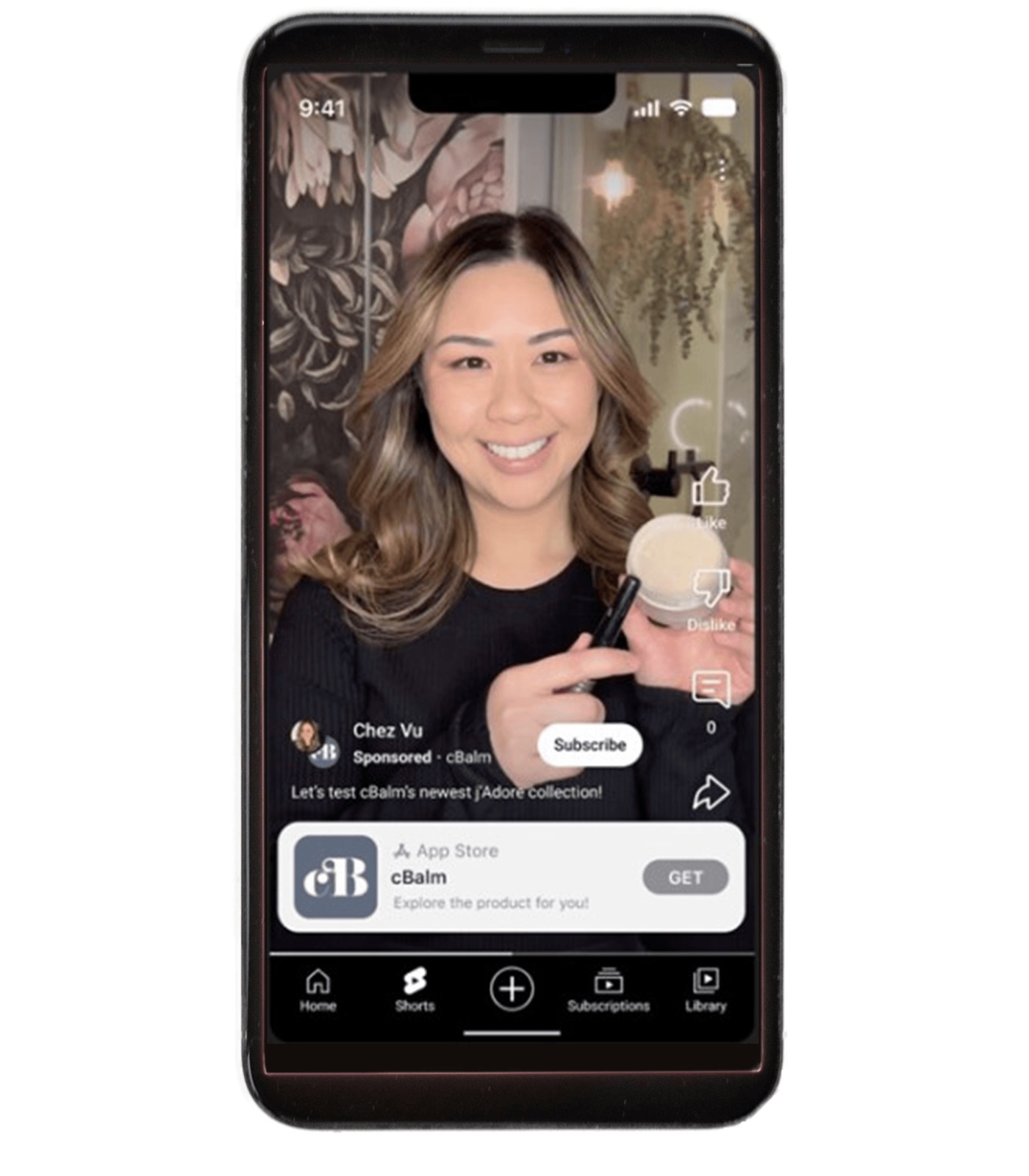
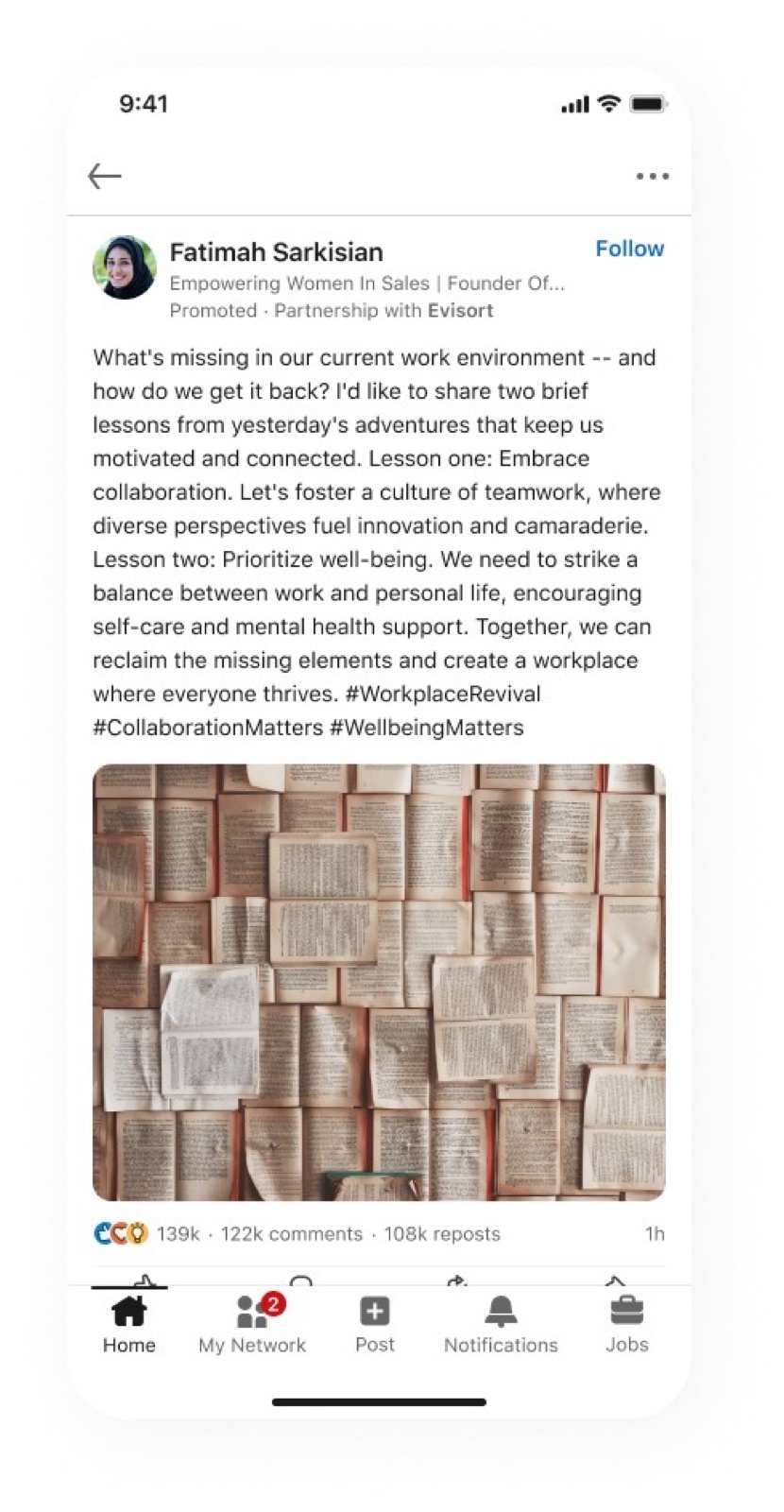
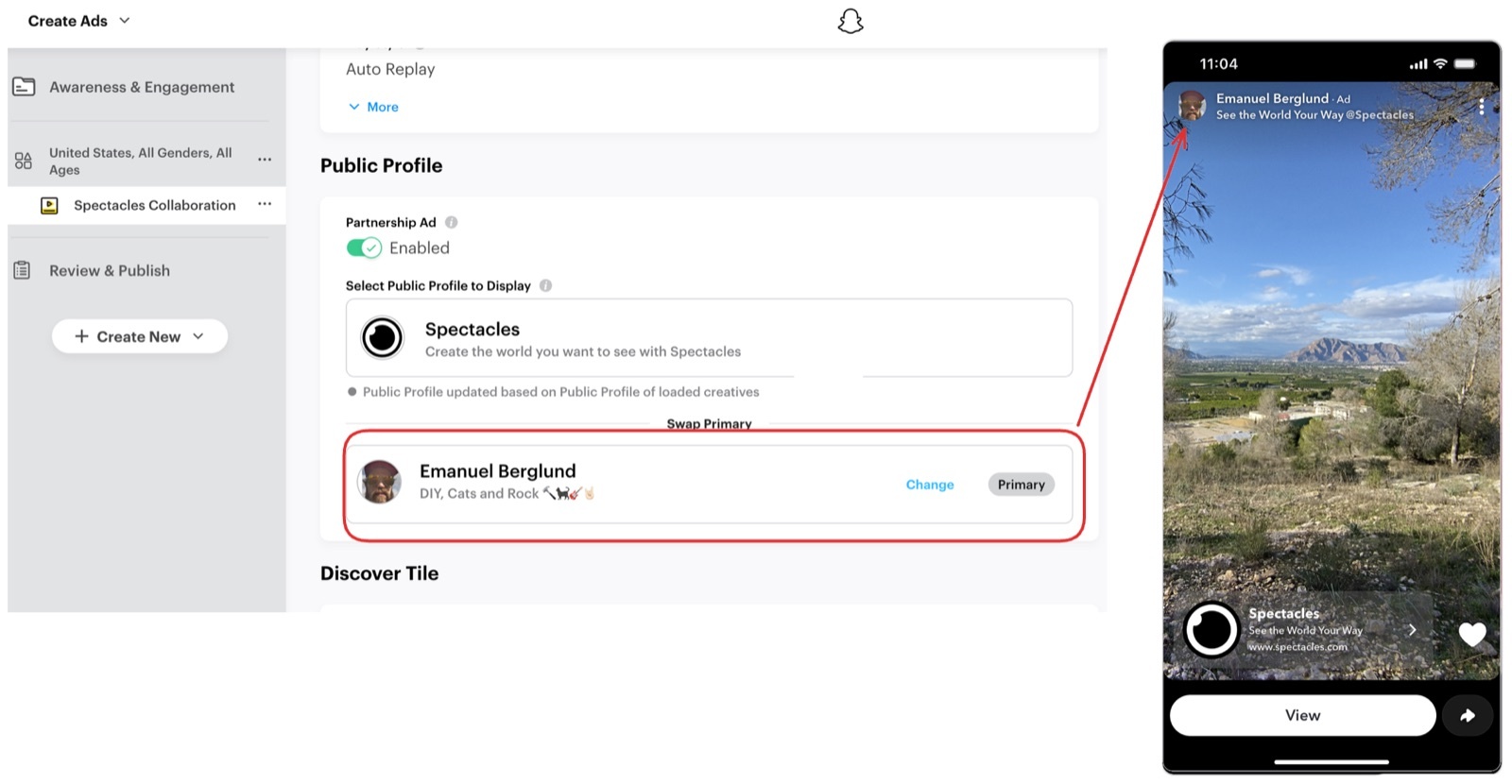
The third is a KOL programme: referral partners on tracked links, speakers at events, pieces on the KOL's own channels and podcasts. Different budget line, different contract.
Two renames to carry into your plan: TikTok One absorbed Creator Marketplace, and Meta said in June 2026 that Creator Marketplace and Partnership Ads Hub merge into Meta Creator Marketing Hub. The collab post is reach. Everything else here is a placement you buy.
- Instagram collab post: organic, co-authored, both profiles and both follower sets
- Meta partnership ads: paid, creator or brand or both in the header
- TikTok Spark Ads: paid, runs the organic post from the creator's account
- YouTube creator partnerships boost: paid, served from the creator's channel
- LinkedIn Thought Leader Ads: paid, any member's public post under their name
- Snapchat Swap Primary: paid, creator as sender, brand as sponsor
- Pinterest Promote a Pin: paid, brand can boost a creator's published Pin
- X retweet-only promotable user: paid, account manager only
An expired permission window stops the ad, and the windows differ by platform
The flow is the same everywhere. The creator flips a switch, the brand keeps the ad account, and the switch has a window. The window is what breaks mid-flight.
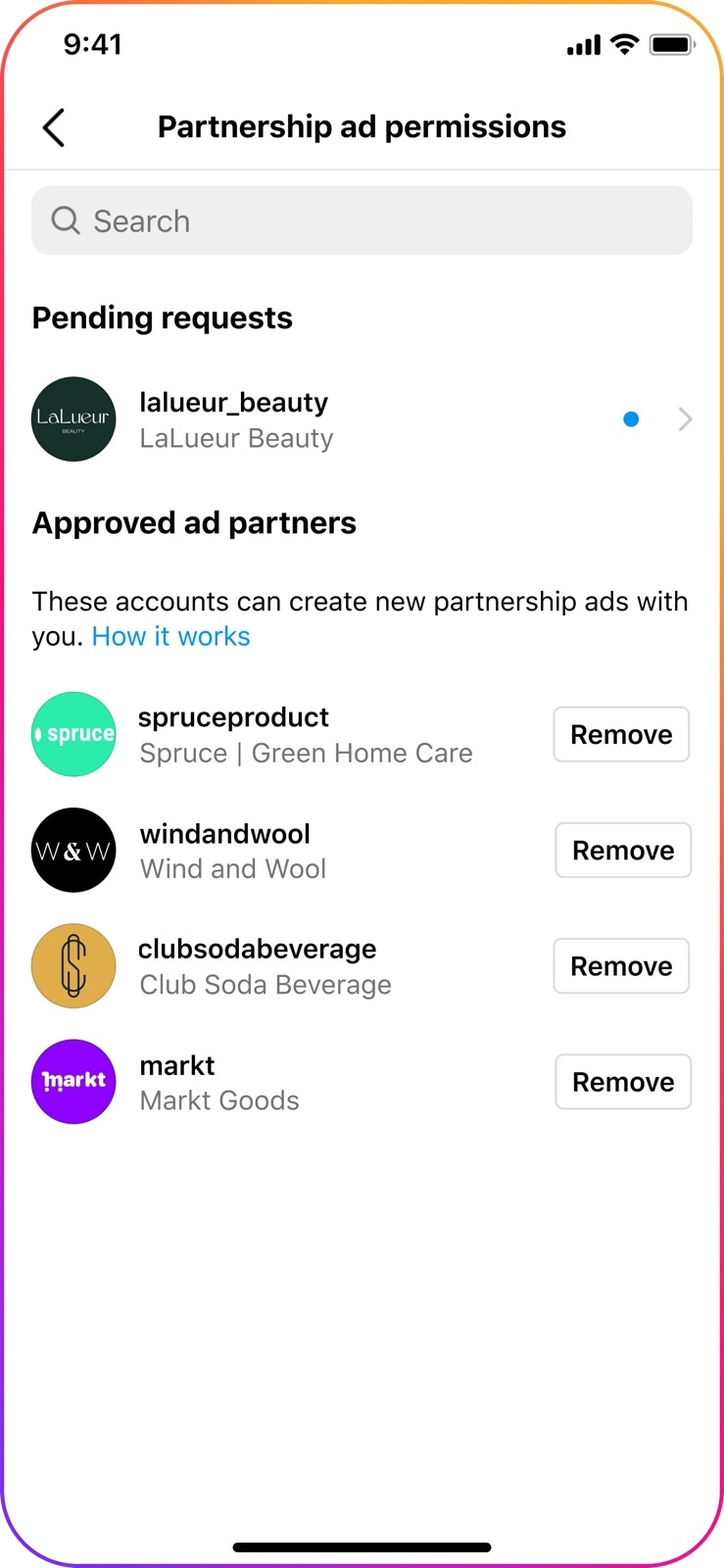
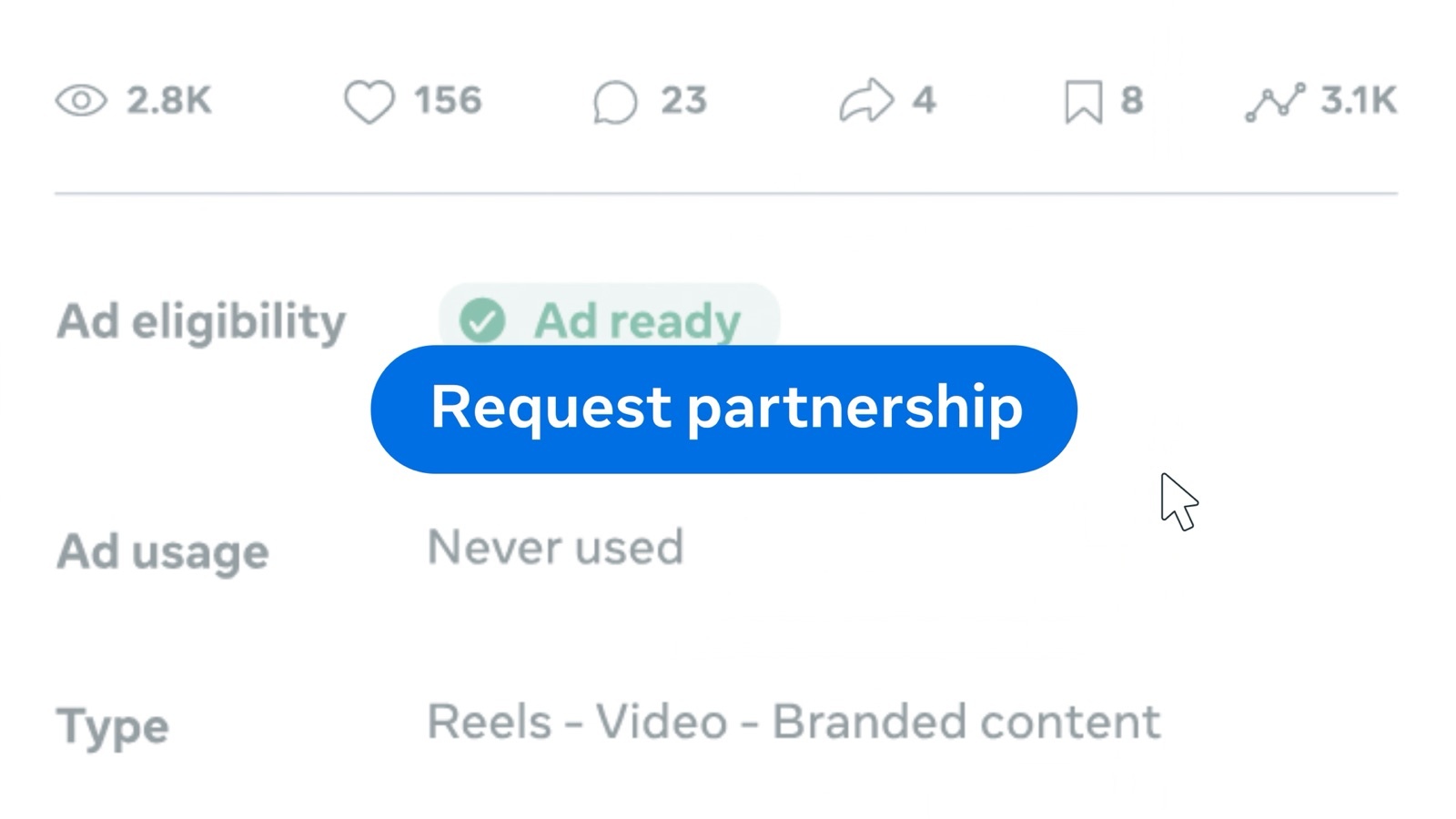
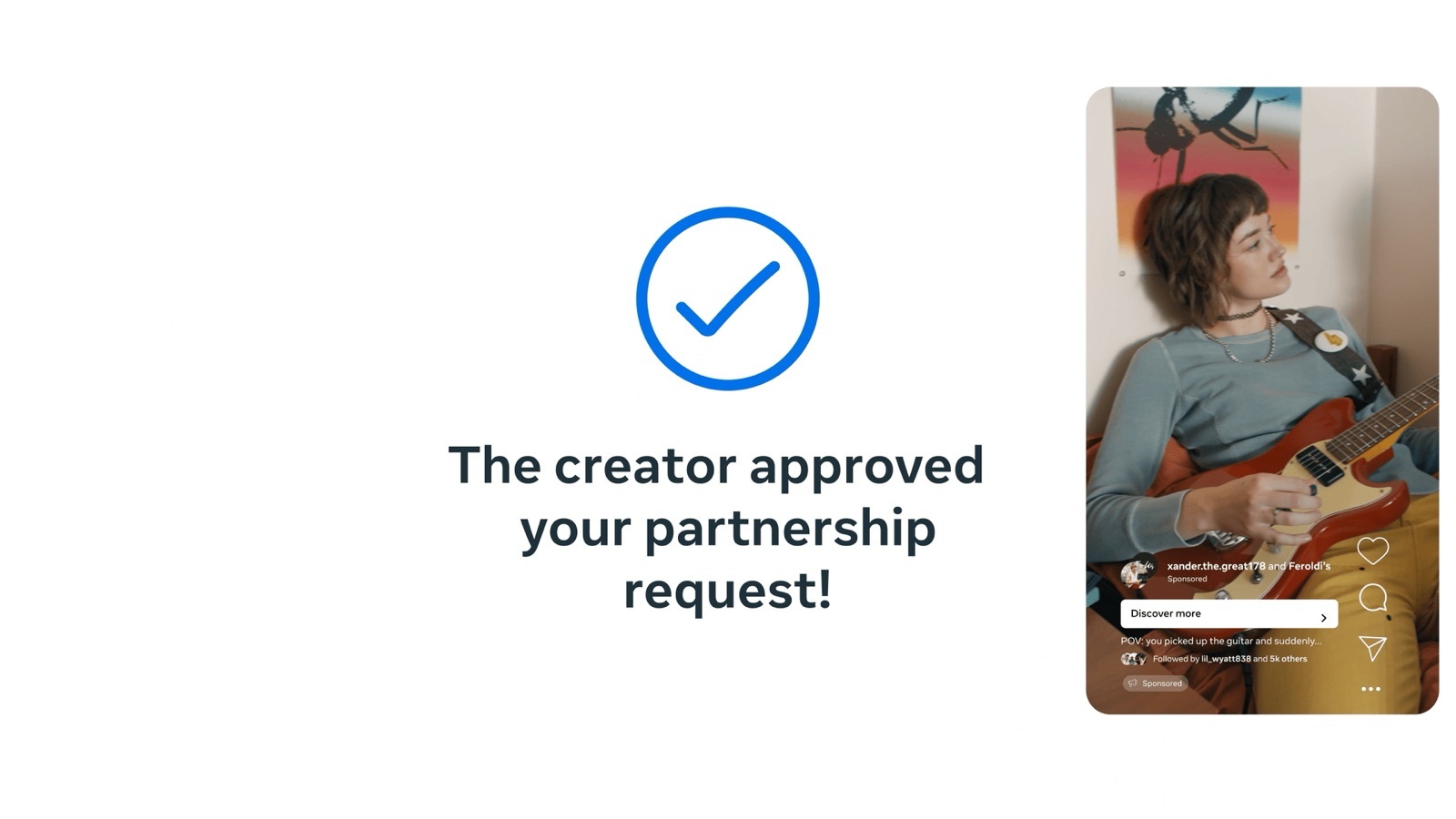
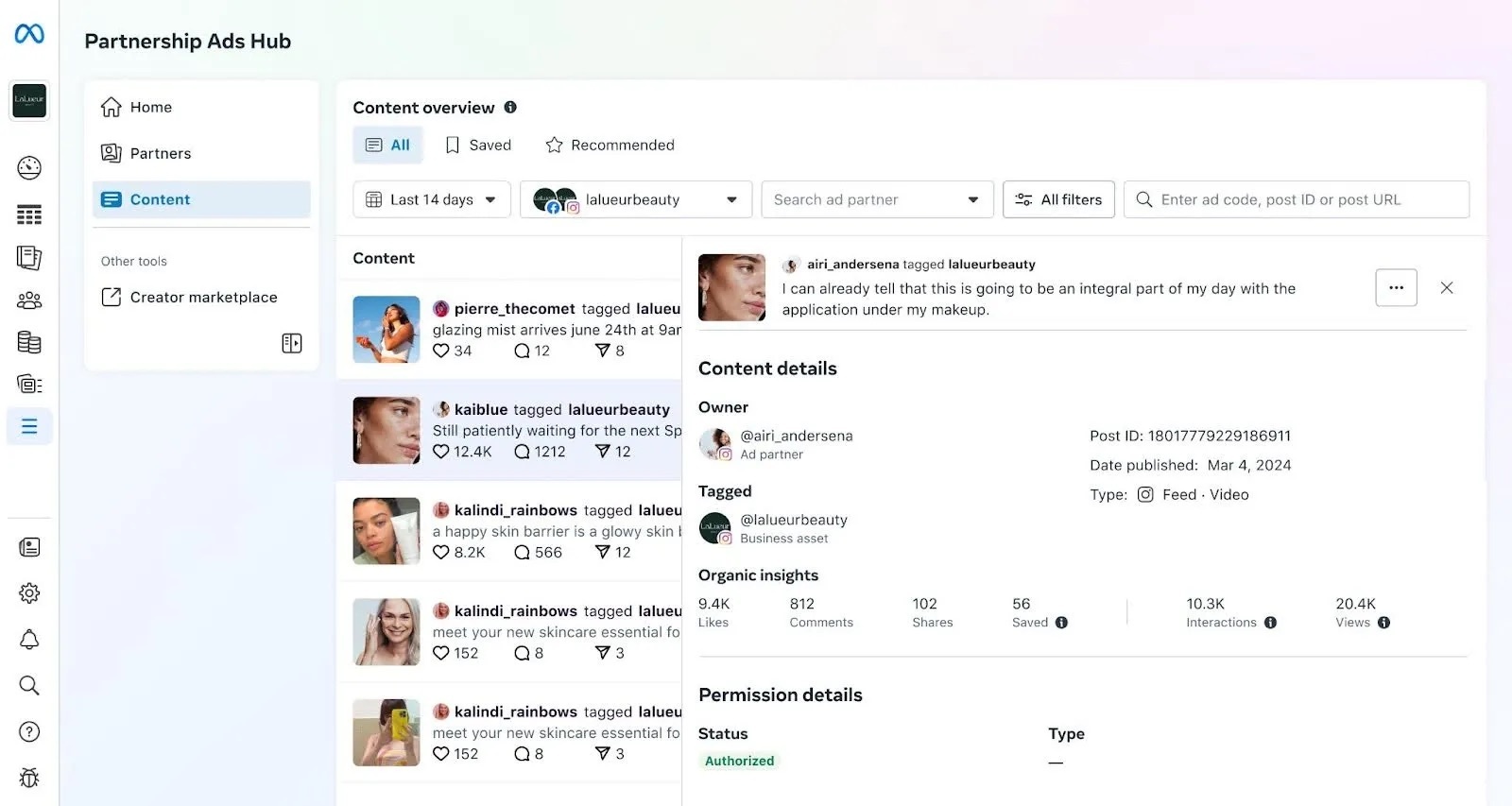
Meta has two switches. A content-level ad code covers one post, can be used by two advertisers at a time, never expires until the creator toggles it off, and live ads keep running after. Account-level permission through Partnership Ads Hub lets you run ads from the handle with no existing post, boost any post that tags you, and include or exclude the creator's custom audience. Revoke it and running ads pause. A creator without a Facebook Page can still appear on Facebook under their Instagram name. An agency needs permissions across the Instagram account, the Page and the ad account.
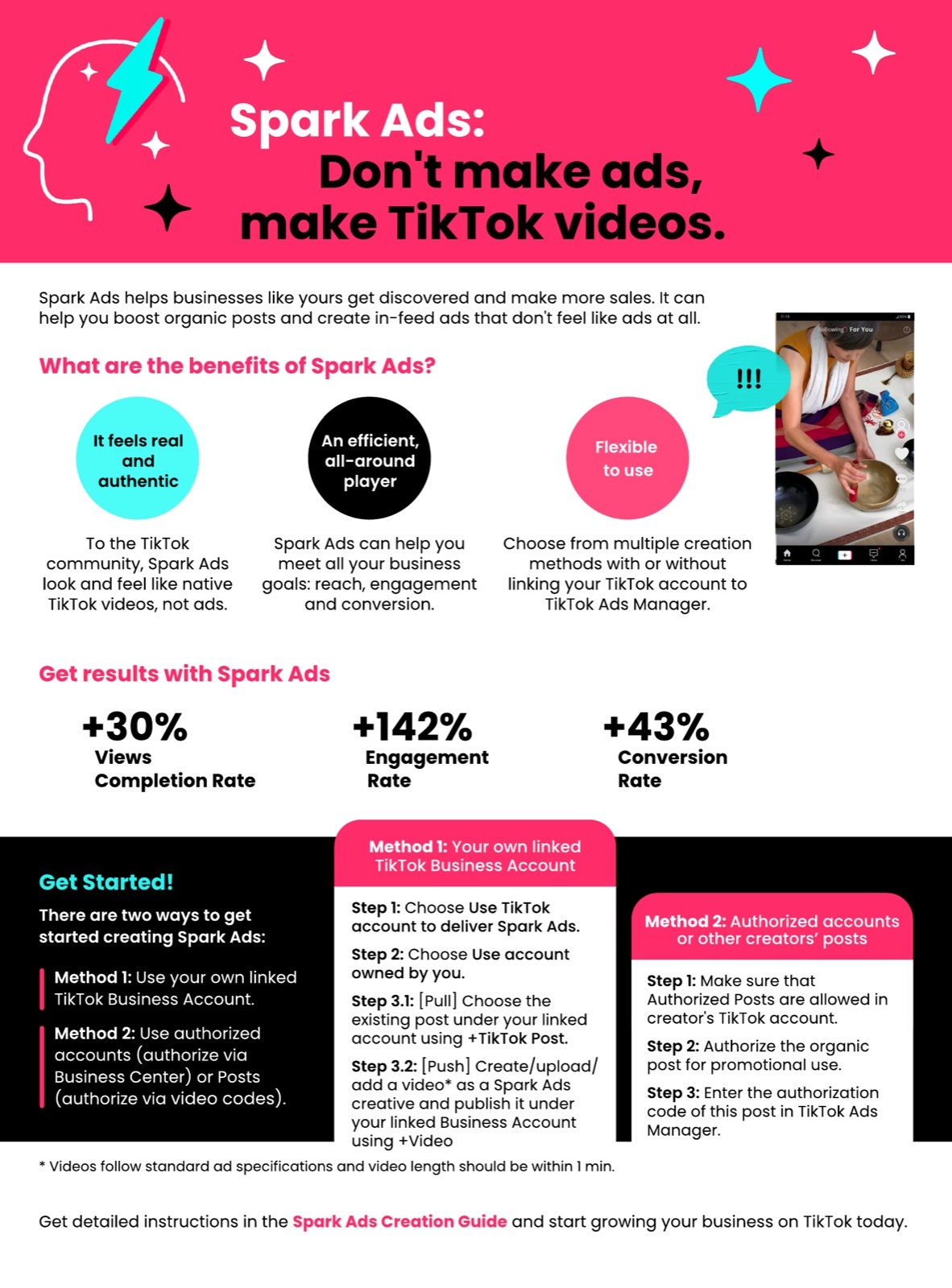
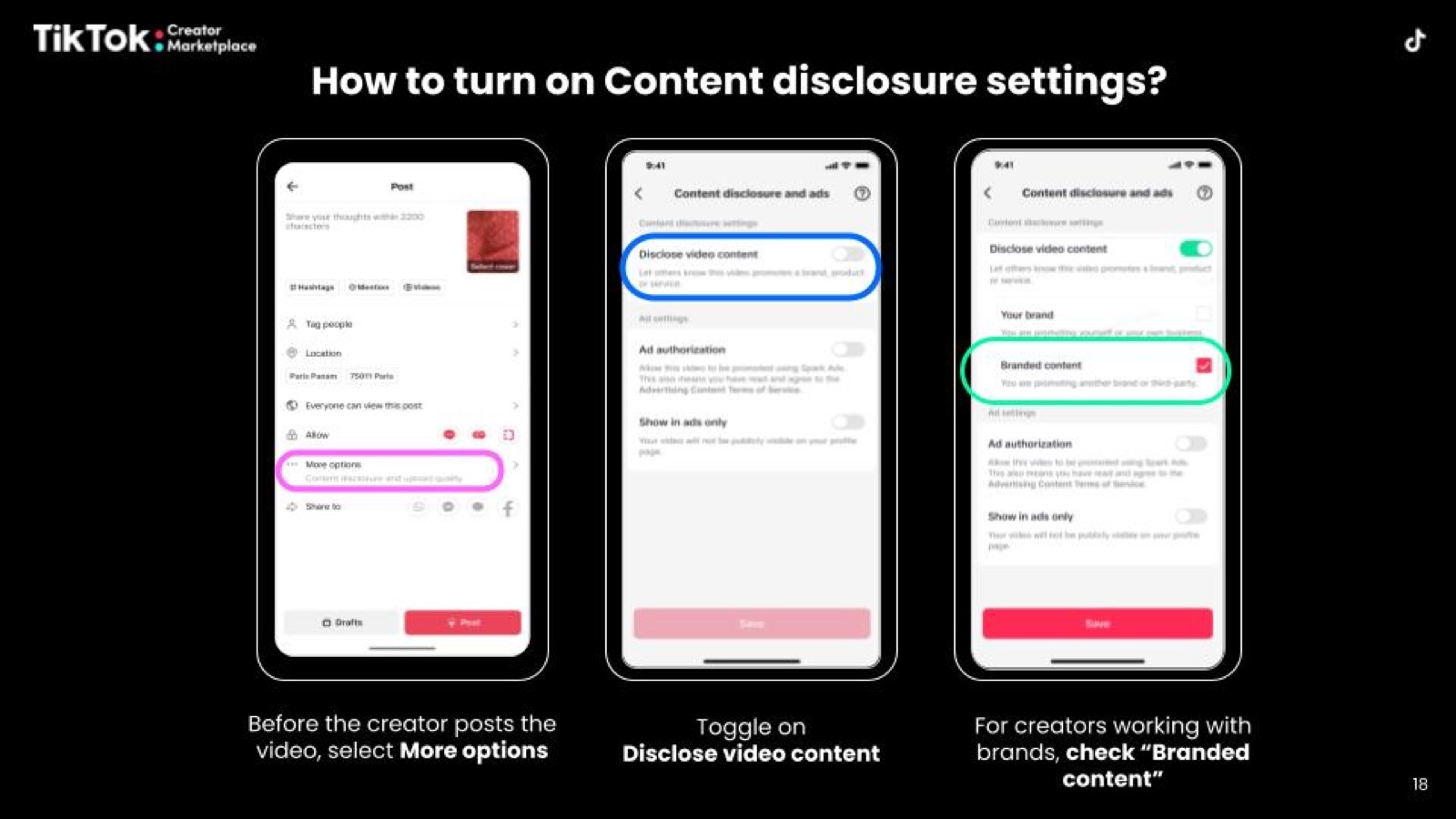
TikTok Spark is a code per post, batched 20 at a time. The caption is locked, a private video goes public, and an expired code stops delivery dead. YouTube's request lands auto-accepted in the Received tab, and you add it by searching the exact video title. LinkedIn authors in DMA countries can't be sponsored. Snapchat is manual build only.
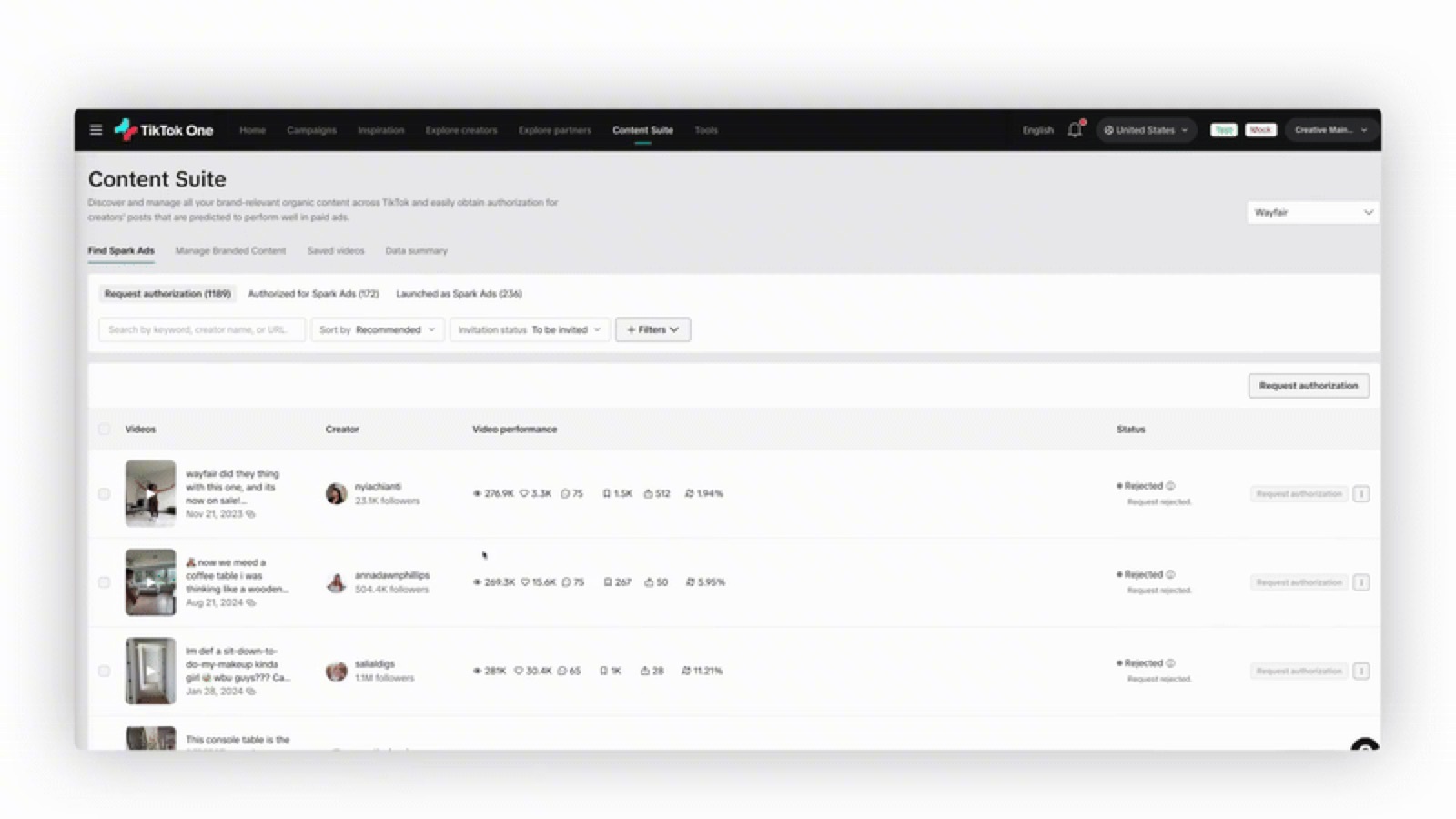
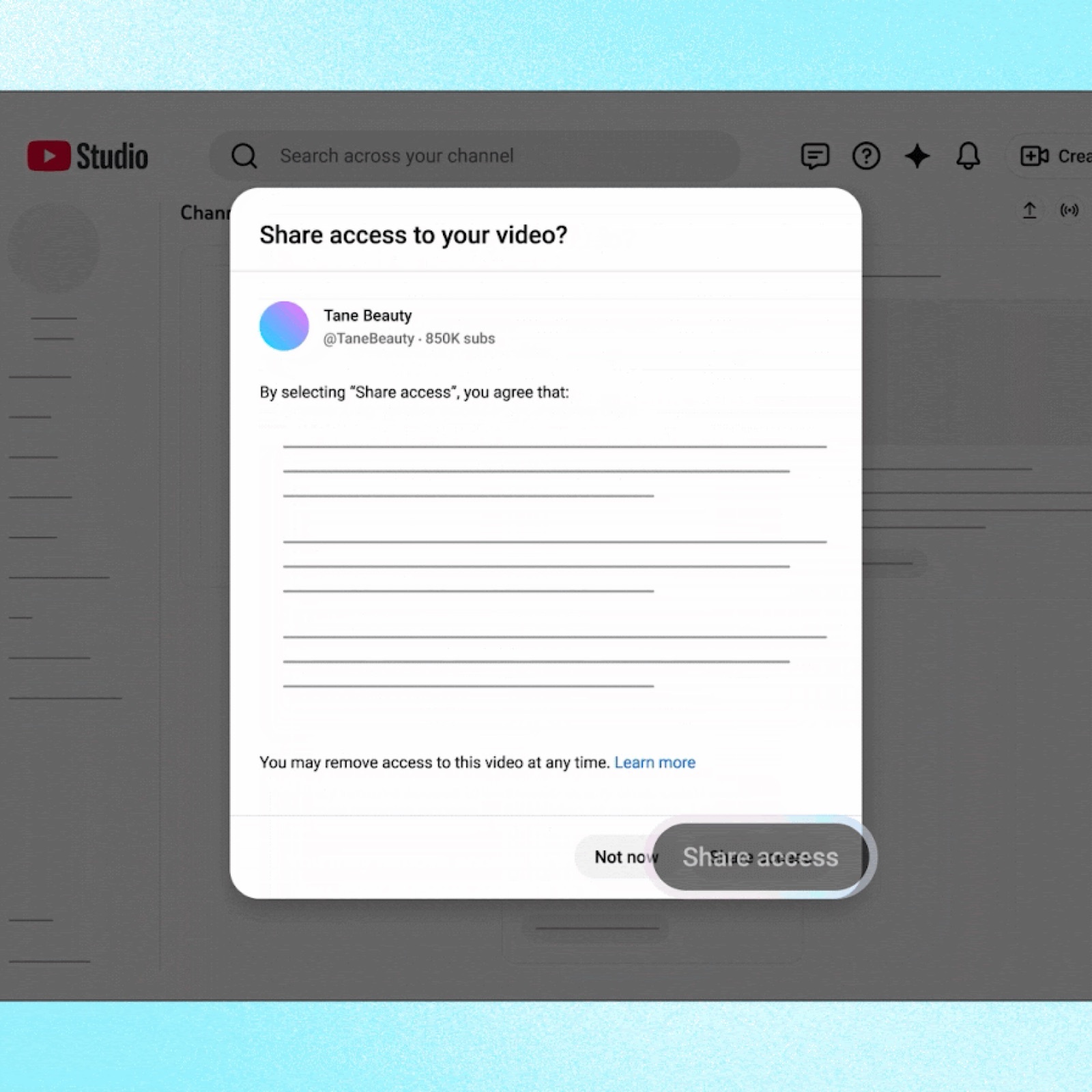
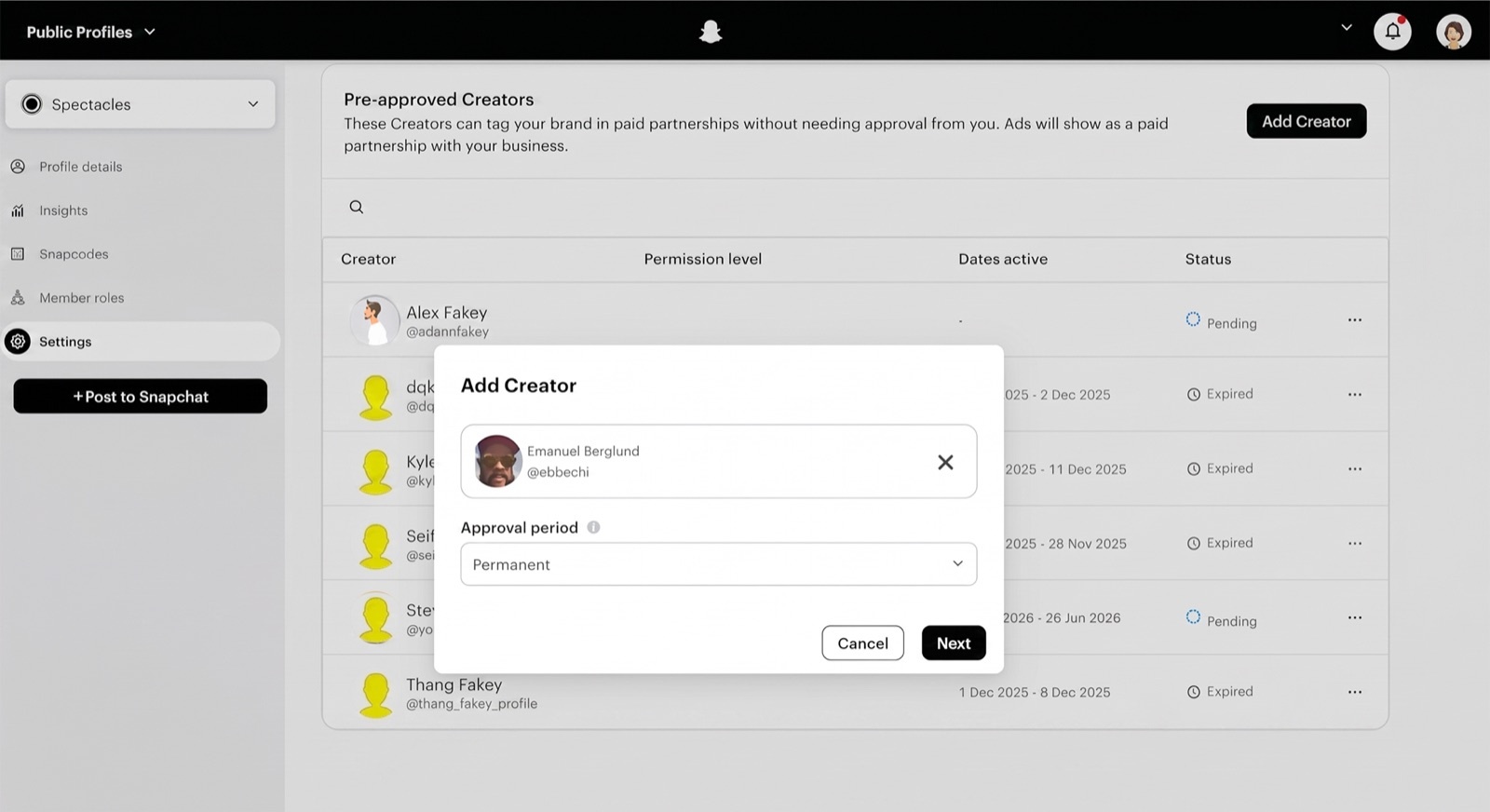
What carries over matters more than the label. Meta ranks on signals from both accounts, and creator custom audiences only work from the creator handle on Instagram, with lookalikes allowed. TikTok and YouTube credit every view and follow to the organic post.
| Platform | How access is granted | Window | Label |
|---|---|---|---|
| Meta | Ad code per post, or account-level permission in Partnership Ads Hub | Code has no expiry; account-level until revoked; 28-day auto-boost on new branded content | Paid partnership on the post, Sponsored on the ad |
| TikTok | Spark code per post, batch of 20; brand partner tag pre-authorises | 7, 30, 60 or 365 days; tag 60 days | Paid partnership or Sponsored |
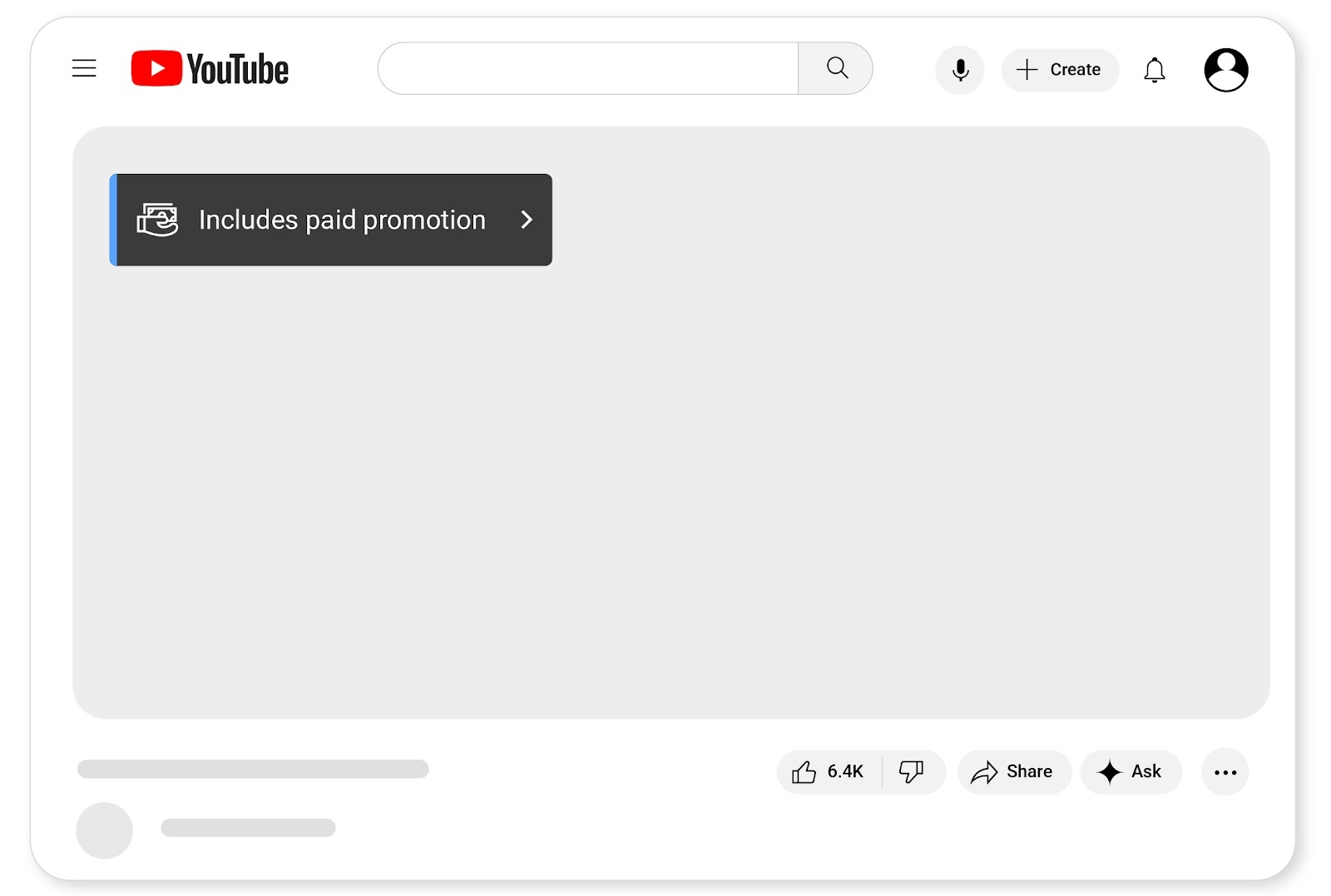
| YouTube | Creator sends code or link, auto-accepted to Received tab | No expiry; dies if video deleted or private | Includes paid promotion |
| Member approves each post or auto-approves per brand | Until revoked; revoke turns ad off immediately | Promoted by (employees) or Promoted, Partnership with (anyone else) | |
| Snapchat | Brand invites, creator accepts and sets four permissions | 7, 30, 90 days or permanent | Paid Partnership |
AG1 launched 270 creator ads in sixteen October days against 68 in September
| September | 1 to 16 October | |
|---|---|---|
| AG1 | 68 | 270 |
| HelloFresh | 69 | 157 |
| Kalshi | 11 | 52 |
The small-account model runs on codes, DCO and the brand's own landing page
Codes. 206 of HelloFresh's 226 partnership ads carry one, 184 named after the creator in the SOPHIA10FM style. 135 of its 143 coded brand-handle ads carry a generated code, and The Dodo gets a generated one too. AG1 carries no code and no UTM in any partnership ad. Every one of Polymarket's 47 carries a code; 12 Kalshi ads carry ish25. A named code is a tracking token the brand issues. AG1's 376 carry neither a code nor a UTM, so creator credit has to come from somewhere else.
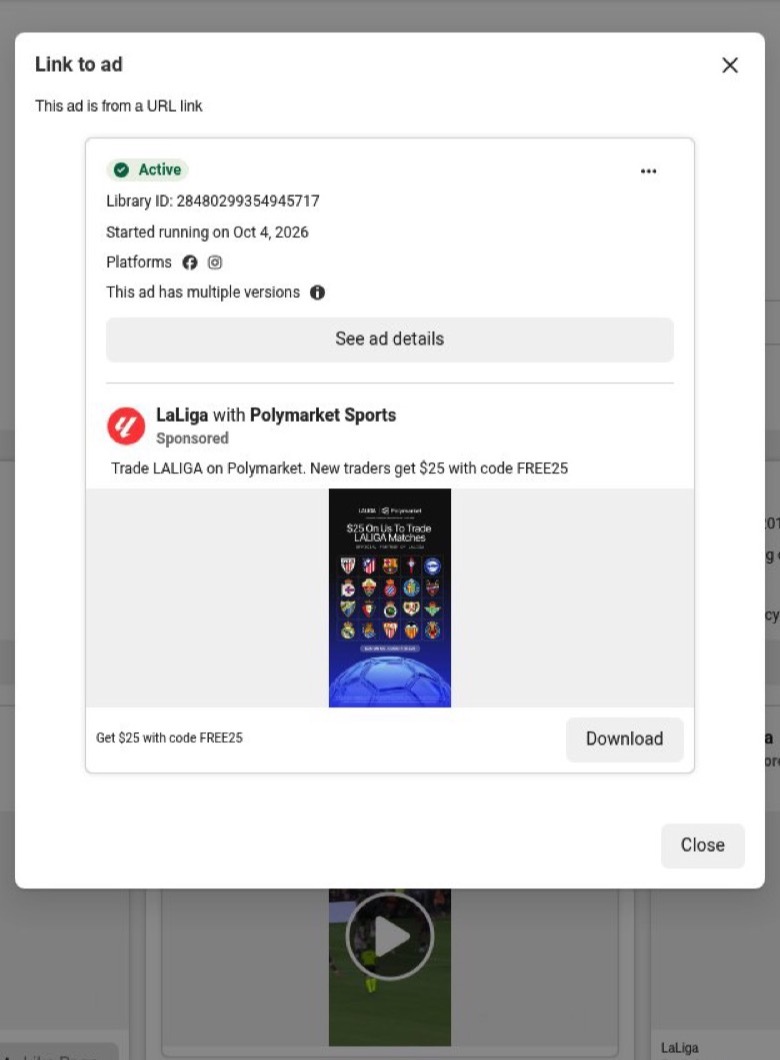
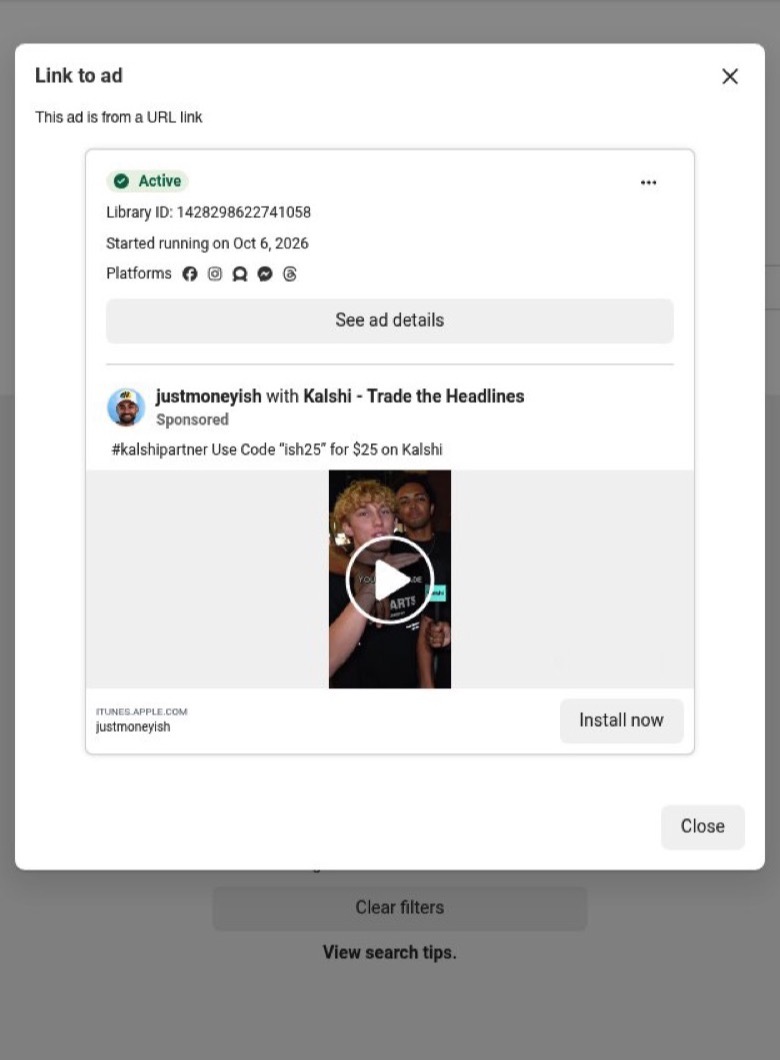
Destination. All 226 HelloFresh ads go to one meal-kit page with the same utm_campaign as 167 brand ads. Kalshi sends 49 to Google Play, Polymarket 46 to the App Store with Download. Poppi sends 21 to its Instagram profile, 21 nowhere and 8 to the 7-Eleven locator. e.l.f. sends 30 of 39 to the German store. One destination per programme leaves the creative as the main thing being tested.
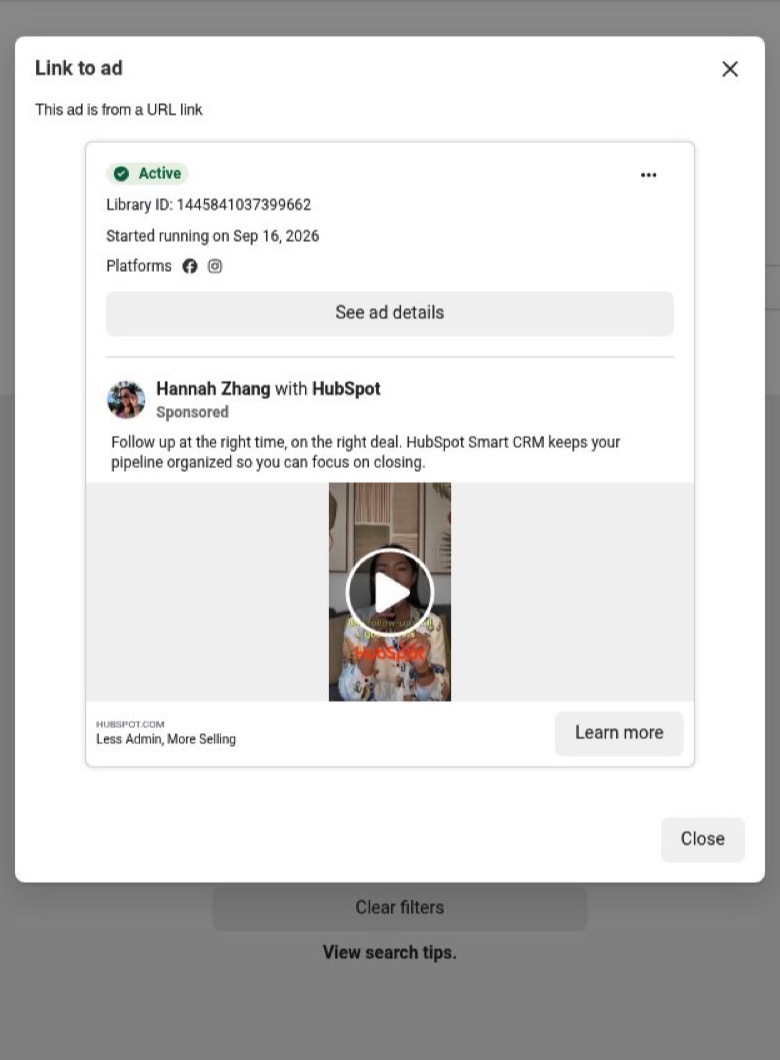
Shared files. SKIMS 34.8% of partnership ads share a file with a brand-handle ad, Kalshi 33.8%, Liquid I.V. 25%, HelloFresh 11.1%, AG1 2.1%. HubSpot's three creator videos also run from its own handle. Brand pages run it the other way with the creator tagged: AG1 22, Kalshi 14, SKIMS 10, Alo 8. That is a header test, and it is the right one.
Partners. 8 of Liquid I.V.'s 32 come from nurses and a scientist. kalshicrypto, Kalshi's own account, is the partner identity in 9 ads.
Reach. AG1's median EU ad reaches 118,463 against 121,510 brand-handle. SKIMS 22,073 against 80,489. e.l.f.'s Chocolate Tree ad reached 4,683,847 from a 3,165-like page over 85 days. Page likes did not predict reach in our data.
Placements. Kalshi pushed creator ads to Audience Network at 87.7% against 31.7% for its own. Poppi ran Instagram 100%, Facebook 24.4%. AG1 WhatsApp 57.4%.
TikTok. HelloFresh's 41 newest EU ads and SKIMS's 17 all run from brand accounts, AG1 has none. The creator-handle model is a Meta model today.
Mix creator ads into the main campaign at 20 to 30% of spend
Never run partnership ads as their own campaign. Every lift result I trust comes from mixing them into the main buy.
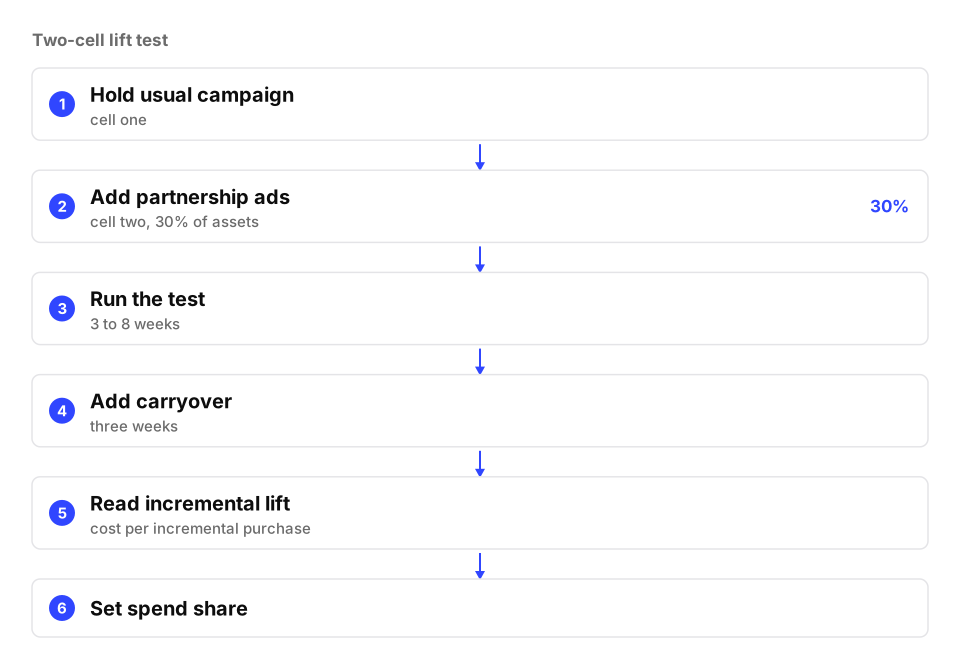
Meta's meta-analysis of 20 EMEA conversion lift studies, January to June 2025, with at least 30% partnership-ad assets in the treatment cell: 45% lower median cost per incremental purchase, 35% higher incremental ROAS. Stated at 92% confidence, under the usual 95%, and you should know that before you say it to a board.
The single-brand tests are cleaner. Knorr Germany ran a geo-lift from 28 April to 8 June 2025 plus a three-week carryover, usual campaign against usual plus creator video partnership ads: 13% lift in in-store sales, 19% in ROAS. bonprix ran a conversion lift from 23 October to 6 November 2025, 30% creator partnership ads against 100% catalogue, 22 creator assets: 13% lower cost per purchase, 1.4x incremental ROAS. Instamart ran an A/B from 6 to 14 February 2026, the identical nano-creator video as a standard video ad and as a partnership ad, Advantage+ audience and placements: a quarter more in-app subscriptions, 17% lower cost per subscription. That one isolates the header, which is the thing we pay for.
One creator-ads platform's 65,000 ads and $130M says the creator handle beats the same licensed UGC from the brand handle by 19% CTR, 10% CVR and 5% CPA, at a 19% higher CPM. LOMOJI's A/B, 29 October to 12 November 2025, mixed lifestyle, beauty, fitness and parenting creators against wellness-only: 42% lower cost per purchase, three quarters more purchases. A varied pool of creators reaches more kinds of buyer.
Brand moves too. 14 brand lift studies at 20% of spend: 71% higher intent lift at 98% confidence. Dove Australia's dynamic identity test added 7.7 points of awareness. Nurofen's creator asset sold from week one while the brand asset peaked after the campaign.
Our setup is the same ad set as the brand ads, or the same campaign with Advantage+ campaign budget on, Advantage+ placements, Reels, dynamic header. Check where Advantage+ is spending every day for the first weeks.
Creator's face in the header, brand's words in the caption
Header. Dynamic header lets Meta pick creator, brand or both per impression. Dove let it choose and got the awareness lift above. Leave it on and read the identity split in the breakdown.
Caption. Brand copy that reads as a person. HelloFresh writes 24.8% of partnership captions in the first person against 9% of its brand ads. Kalshi's most-run line, in 24 ads: "Kalshi is the first federally regulated exchange where you can legally trade on anything, the weather, reality TV and more!" AG1's creatine line runs in 64. LaLiga's reads "Trade LALIGA on Polymarket. New traders get $25 with code FREE25." One Kalshi ad opens on "GTA 6 EXTENDED TRAILER DROPPED TODAY!?" a culture hook rather than a product line.
Hook. Product in the first three seconds. CreativeX research, cited by Meta, found more than half of branded content misses it, wasting around 45% of creator spend. Speak to camera, show the product. Spectacle footage can fail. One operator describes a creator's alligator video that did nothing, while the same creator talking with friends in a podcast-style setting carried the account.
Format. DCO for the small-account model, video for creator voice, statics built from questions people ask in the ad comments, GRWM for beauty, which is 28.2% of e.l.f.'s captions.
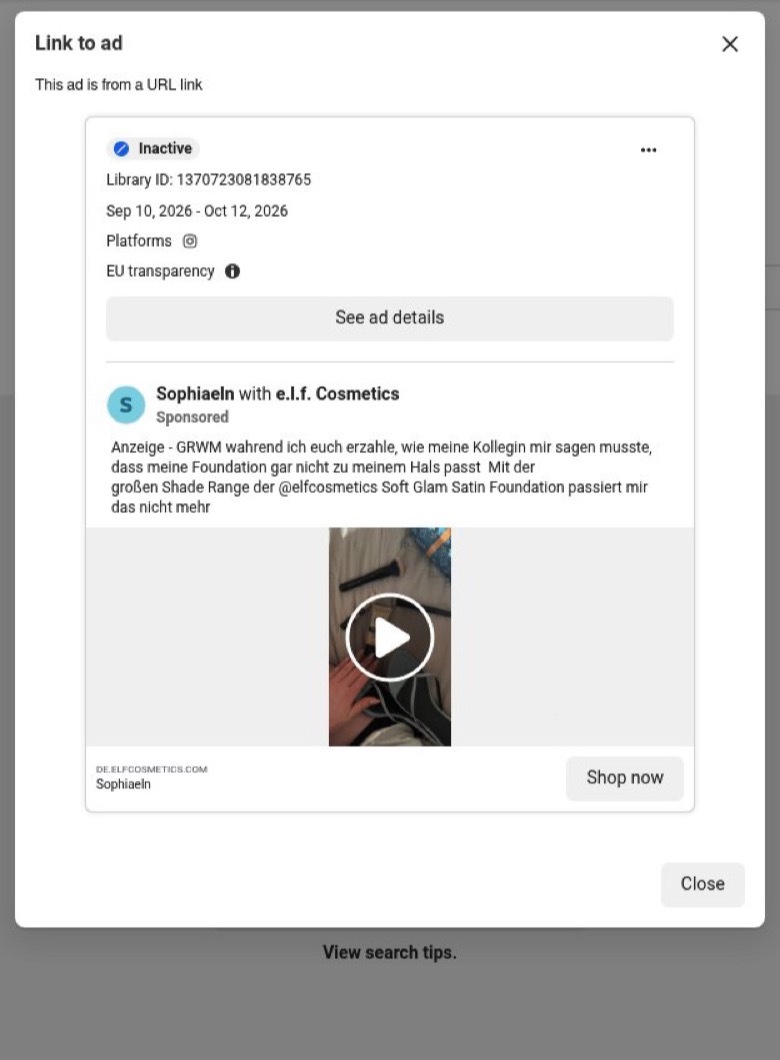
Placement. Reels first. Kalshi's creator ads ran 87.7% on Audience Network. I'd turn that placement off and compare.
Existing post or dark post. A boosted post arrives with its likes and comments. A dark post never touches the creator's grid, so you can run twenty variants without their followers seeing one.
Let the creator send the invite, then boost inside 48 hours
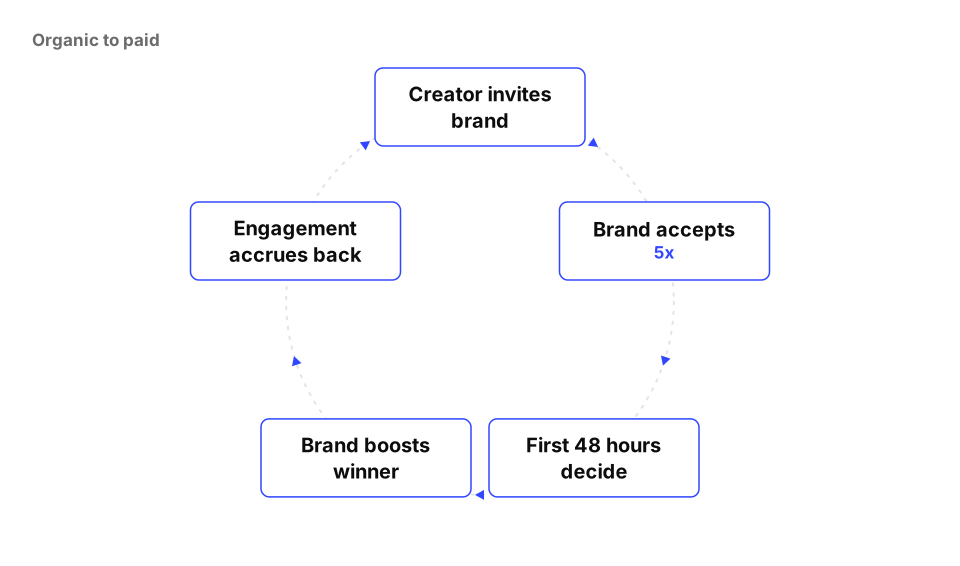
The creator sends the invite. Ranking still biases to the initiator, Mosseri said so again in August 2026, so the brand accepts. Accepted collabs reach more than 5x the amplification of a brand's non-collab posts in ecommerce and retail, and brands under 10,000 followers get 5x the interactions. Reels gain most, owned carousels least. Measure shares and reposts, because that is how the post leaves your audience.
Cold works. The US Open accepted 60-plus collabs in three weeks with no email or DM first. The NBA ran collabs with 40 creators for 700M views, 244M from Tristan Jass alone. Creators made 34 billion NFL views in a season against 23 billion from the league and all 32 teams. The NFL's Twitch co-watch test underperformed. Cast creators whose audience already cares about the thing.
Brand x brand is the same mechanic. e.l.f. x Liquid Death sold out in 45 minutes with 68% new buyers. Duolingo's Dead Duo story drew 1.7 billion organic impressions as its community rallied round.
The hand-off: creator posts, Tag People, Invite Collaborator, selects the brand handle, turns on the paid partnership label, brand accepts. The 28-day auto-boost toggle means spend can go behind it the same day. Most views land in the first 24 to 48 hours, so decide on the boost inside that window. Trial Reels test it on non-followers first.
Our collab brief asks for a 10 to 30 second reaction stitching 1 to 3 seconds of brand video, the creator's take, then a call to watch the full episode. Producers send drafts back until they carry enough of our footage.
Most brands don't post collabs aggressively enough, and they forget distribution. Making the asset is only half the job.
Settle rights and sign one contract per face before the shoot
Two briefs, two kinds of creator. UGC creators are cast for the content, and it runs from the brand account. Influencers are chosen for their audience, with their own brief. The warning sign in either casting is a creator who reads like an ad.
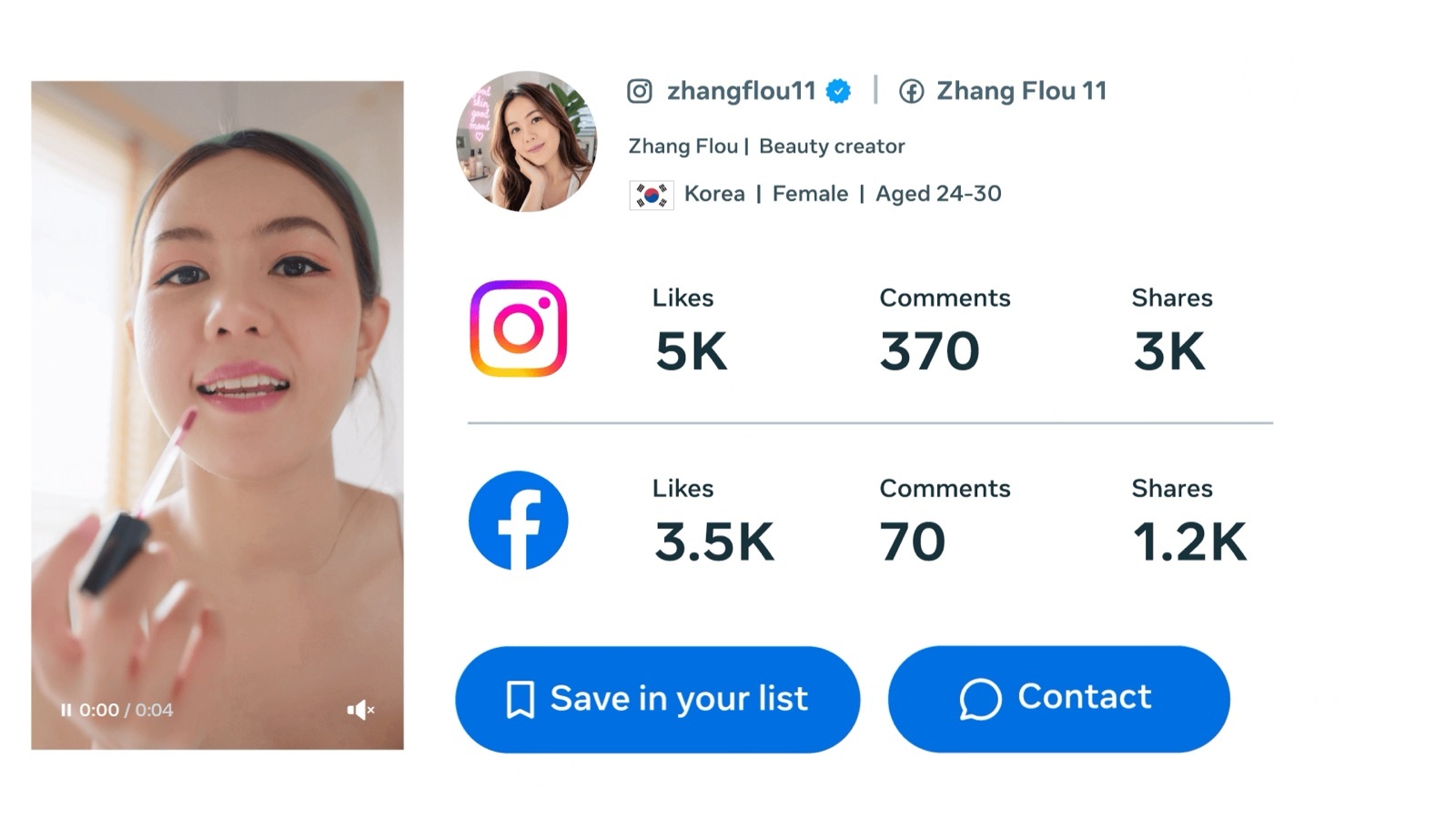
One contract per face, signed before filming. A second face in shot with no contract means we can't guarantee rights once it runs as paid. Releases are set up on day one; raw footage and rights can't be bolted on after delivery.
Rights before anyone posts. Our template gives unlimited paid and organic use for 12 months, then organic only. Our default ask is worldwide and perpetual. We push big influencers for a full release and take the best terms we get. On a UK crypto app the agent refused perpetuity and reopened the deal when out-of-home and programmatic were added later, so add every channel before signature.
Permission is not a licence. A Spark code or a partnership permission grants placement from the handle and nothing else. Paying a creator doesn't make you the owner, and on 9 October 2026 a creator sued a supplement seller, alleging it reused her videos in at least 12 Meta ads with no licence. Plan the paid slot so it doesn't depend on a Spark licence nobody has signed, with your own creative as the fallback. The licence also depends on the creator being paid: an unpaid invoice pauses the content everywhere.
Shoot modular, so one session yields many units. Recut winners rather than re-sign creators, with bundles planned before casting. Pair codes with a landing page, because top-tier spikes come from people who never enter the code, and put a creator token in the ad name or you can't rank creators.
At $1M a month, test about 80 ads to hold 20 winners
Share of spend first. One agency runs 30 to 50% of ads on its biggest accounts as partnership ads, micro-creators as 80 to 90% of them, starting around 10% and building to 20% by month three. Meta's lift evidence sits at 20 to 30% of assets. I start at 20 to 30% of the main campaign and move up only on a lift read.
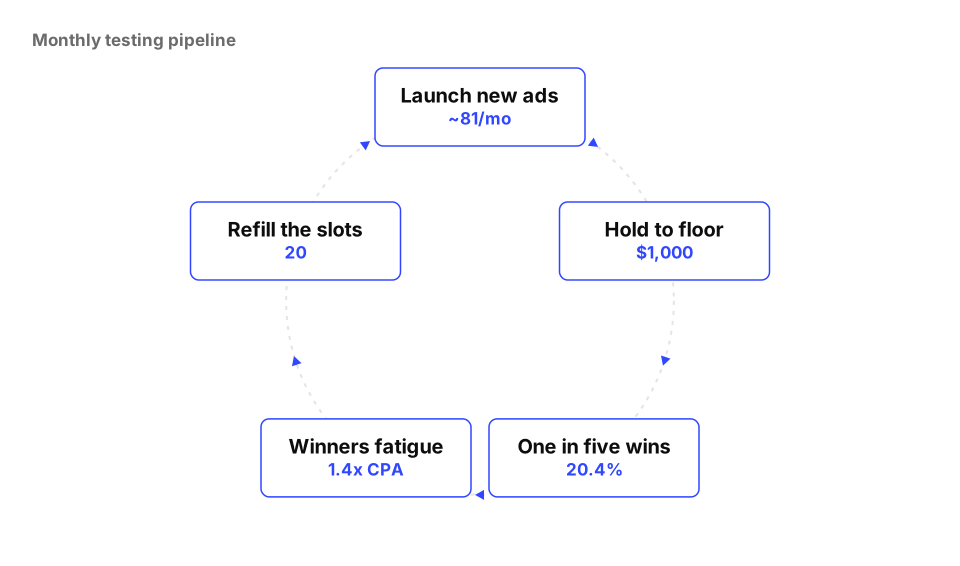
Then the pipeline. In one locked population of 8,696 purchase-optimised ads from 56 brands, the median hit rate was 20.4%, most brands between 10 and 20%. 45% of eventual winners look like losers under $100 of spend and 26% still do at $1,000, so the kill call waits for a $1,000 floor. Winners fatigue after about 36 days with CPA rising 1.4x, a quarter past 2x. Each winning slot needs about four tests a month, so $1M a month wants roughly 81 new ads to hold 20 winners.
CPM is unsettled. One dataset shows 19% higher on the creator handle, agency reports show lower, and you buy on cost per result anyway.
Judge by lift, geo split and MMM over in-platform CPA. One MMM shop's 94 models found 30% more incremental conversions even when in-platform CPA was unchanged. Meta's window is 3 to 8 weeks for conversion lift. YouTube wants 60 days because 40% of views arrive after day 30.
Judge creator content only against content bought on the same event. On a prediction-market account the same human-UGC script cost five to six times more per depositor in install-optimised ad groups than in purchase-optimised ones. We test inside the live account, in shared ad sets, never in a separate test campaign.
Thought Leader Ads win on engagement and lose on landing page clicks
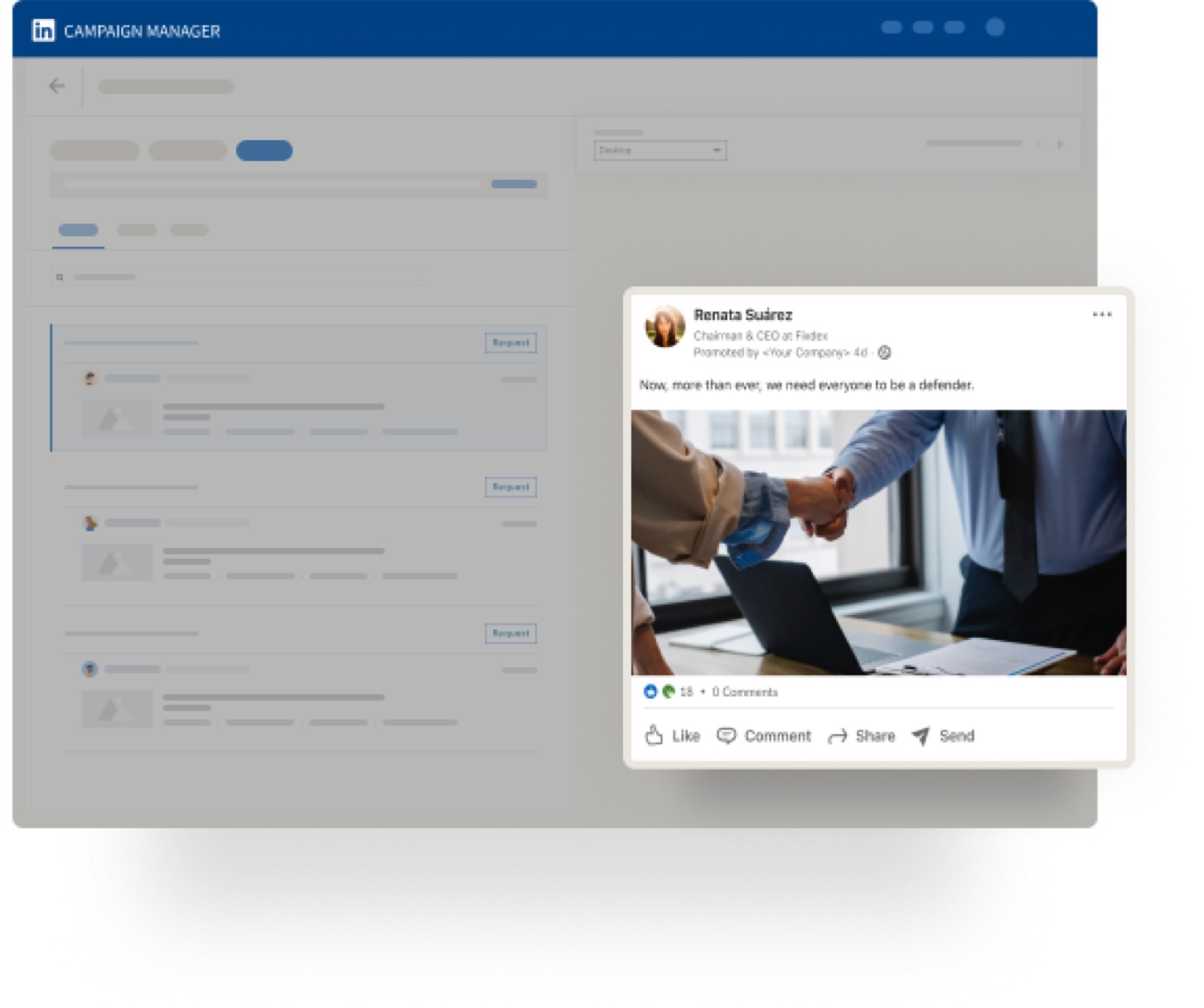
The B2B version is the same rule with a different header. Our count over the last 30 days: Thought Leader Ads were 3.0% of Ramp's ads, 5.5% of Gong's, 8.0% of HubSpot's, 15.7% of monday.com's. monday.com's Luis Clark heads 77 of its 111 person ads on the give-30%-of-your-job-to-AI theme. Gong's 39 come from five employees. Ramp sponsors accounting creators who disclose the partnership in the post itself. Most run 3 to 13 days, and nearly all are text-and-image.
What they do: Snowflake got 5.6% CTR, 2.7x its single image ads, and a retargeted post from its developer advocate hit 21.2% CTR and 64 sign-ups from 40 target accounts.
What they don't do: on the median Thought Leader Ad, 91% of clicks never reach a landing page. Video costs 2.4x more per landing click than single image. There is no conversion objective and no CTA button. Buy it for the person, judge it on pipeline.
How we run it. A respected voice saying the product is good does what the brand ad can't, so we test the same post promoted from the company page and from the individual. Each KOL has to grant whitelisting before a boost, and that is a conversation rather than a toggle. Test spend is typically a thousand dollars or more to reach a few hundred thousand of the target. When it works, we take it to X, Reddit and Substack next.
In fintech and crypto the creator handle is a licence problem first
Watch the prediction-market KOL wars and you see every way this goes wrong. Kalshi and Polymarket pay X accounts of every size to carry affiliate badges. One KOL was poached by Polymarket three weeks after taking a Kalshi deal. Polymarket's Discord of 800-plus quote-posters was told the posts must look organic, and the reminder to add X's paid partnership tag has been missing since late August. A Wall Street Journal analysis found creators showing $1.9M of winnings that never happened. A consumer suit names Polymarket's CEO and CMO personally. Election-fraud claims ran in sponsored posts, and Kalshi now bans affiliates from questioning an election.
The rules are not subtle. Meta requires written pre-authorisation for crypto, real-money gambling, dating, pharmacies and politics in branded content, and bans ICOs, binary options and CFDs outright. X allows crypto and gambling paid partnerships globally since March 2026, except the EU, UK and Australia, and makes the influencer responsible for geo visibility. FCA FG24/1 makes the firm liable for an affiliate's promotion it never wrote. MiCA Article 7 puts a prescribed statement on every crypto communication. The FCA's April 2026 week of action found 1,267 illegal ads reaching 2.3M UK accounts and took a guilty plea from a reality-TV promoter. Promoting without authorisation is criminal in the UK.
The tag gets reach. Disclosure is a separate job. The FTC says collab on its own doesn't count, the ASA wants #Ad, and the EU sweep found 97% of posts commercial with 20% disclosed.
Meta scores account quality across every admin and connected partner. One accepted collab invite preceded a client's Instagram suspensions. Every app gets its own ad account, and we won't connect a banned one.
Our KOL standard for these brands: tracked referral link, rewarded on registrations, monthly reconciliation with anti-fraud checks, underperformers out monthly, a fixed cap per KOL, compliance pre-approves every piece, reads pre-recorded, no loose-brief organic model, takedown right in every contract.
Skip the celebrity handle, the standalone campaign and the loose brief
What I would not do this quarter: run partnership ads as a separate campaign, expect a celebrity handle to last, kill an ad under $1,000, share a login instead of a code, or call collab a disclosure.
What I would do instead, in order.
- Count your own Ad Library split this week, and your three nearest rivals'. If partnership ads are under 10% of your live ads and over 30% of theirs, you already know this quarter's priority.
- Request account-level permissions from 10 to 20 varied small creators. Write the captions and the codes yourself. Run them inside the main campaign at 20% with Advantage+ campaign budget on and a landing page per code.
- Book a two-cell conversion lift for 3 to 8 weeks before the share-of-spend conversation, so the next number comes from a holdout.
- Brief creators to post collabs you accept, and boost the winners inside 48 hours.
For regulated brands, compliance sign-off and Meta's written pre-authorisation come before the brief, or the brief is wasted.
My bet: by this time next year partnership ads will be a third or more of live ads on most large DTC Meta accounts. Brand-handle UGC stays the volume base, and the header becomes the next thing every account tests.
This runs on casting volume, rights discipline, a testing pipeline and lift measurement. That takes a specialist team, not a side project.