
Novig runs 59 live Meta ads against Kalshi's 748
| Advertiser | |
|---|---|
| Kalshi | 748 |
| Polymarket | 373 |
| Fanatics | 172 |
| Novig | 59 |
| Coinbase | 44 |
Search interest peaked on day five and halved within a month
The film bought Novig about ten days of attention. The paid account, the offer and the product had to do the rest.
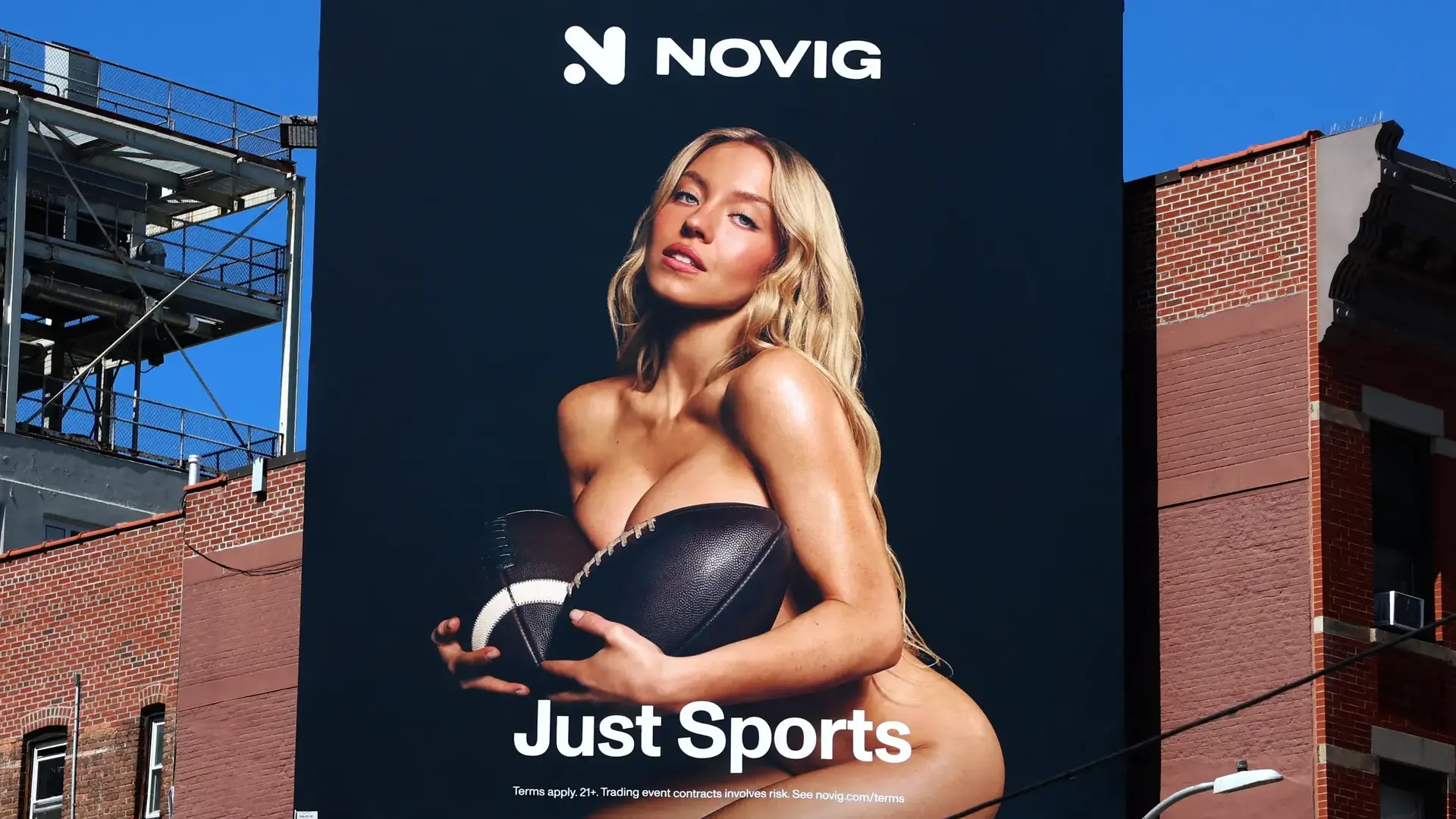
Posted 9 September. Sweeney's first two Instagram posts did 185 million organic views and the campaign another 14 million on X. Novig's Instagram went from 37,000 followers to 93,000. Weekly brand mentions went from 392 to 4,633 in four days, and only 4% of those posts mentioned the app. People were talking about her, and about women's sport, and almost nobody was talking about the product.
US Google search interest peaked on 14 September, day five, briefly above Kalshi and Polymarket. Then it came down. Organic visits to novig.com were 95,746 in September and 45,900 in October. Half the curve gone inside a month.
The business numbers Novig published are real, and they are also 20-day windows. Volume up 94% across the 20 days either side of launch, first-time depositors up 218%, downloads up 187%, active users up 96% month on month. App Store sports rank went from 50 in August to 11. In the week of 10 to 16 September Novig did roughly $317 million in notional volume. Kalshi did $13.6 billion in the same week. Fortinsky said himself that the start of the NFL season lifts the whole category, and he's right. The category chart further down shows it.
The backlash was athletes. Titmus called it an absolute joke and Amy Hunt posted what women in sport actually look like. Novig released the No BS sequel on 11 October, and on 12 October Powerade answered with a Times Square ad placed opposite Novig's billboard. Novig says the two pushes were the plan from the start.
What the search curve tells you is simple. If the next creative isn't live by day five, you are refreshing against a falling line. I'd have the second wave in the account on day three, not day thirty-two.
Paid Meta started the next morning and never printed her name
Novig's first Meta ad launched on 10 September, the morning after the film. A still of Sweeney holding a baseball bat, the Just Sports mark, and Deposit $10 Get $25 next to it. Her name isn't in the copy. It isn't in any of the 71 ads we pulled.
![Novig Meta ad: Sydney Sweeney with a baseball bat over her shoulder, Novig logo, '[ JUST SPORTS ]', 'Deposit $10, get $25 in trade credits'.](https://s3.eu-west-2.amazonaws.com/growthcurve.site/media/blog/body/novig-sweeney-ad-deposit-25.jpg)
All 12 September ads were dynamic creative. All of them offered $25 for a $10 deposit. All ran on Facebook, Instagram, Audience Network and Threads. The CTA was Install now on every one, the destination was the App Store on 69 and Google Play on 2. No web landing page, no UTMs, no tracking tag of any kind.
Across the whole account the copy rules are strict. 100% of ads use trade or trade them. 0% use bet, betting or gamble. 0% name her. 0% mention politics. No house and the fee line appear only as on-screen text inside videos, never in copy.
The film goes up on her account and the comment threads fill. Someone opens Instagram the next morning and sees the same woman, same bat, which answers the thought they already had. The deposit offer gives them a reason to tap. Install now takes them to the store, and the store does the rest.
Her name stays out of the copy because the film is the brand ad and the paid layer is a catch net, so her face is the recognition cue and nothing else. There's no web page because an App Store destination keeps the whole thing inside Meta's app-install optimisation, and a 21-plus product with a $10 deposit has an app event to optimise against from day one.
Twelve dynamic ads do not get built overnight. The net was in the account before the film dropped. Honestly, that is the only part of this I'd call planning.
Novig doubled the offer on 1 October, then ran one ad per game
Twelve ads in September. Fifty-nine in the first fourteen days of October. Three batches, on 1, 7 and 13 October, carry 50 of the 71 ads in the account. That is a weekly cadence, and it started on the day the search curve was already halfway down.
The 1 October batch did three things at once. Thirty-nine of the 59 October ads say $50, up from $25. Every one of the 59 drops Audience Network and runs Facebook, Instagram and Threads only. And the line The sports app everyone is talking about appears in 16 ads from that date, which is the earned attention turned into copy without naming the person who earned it.
The offer doubled because the referral programme launched at 8am ET the same morning, paying a referred friend $50 on a $10 deposit. Paid and referral had to match, or the paid number looks worse than the one your mate sends you.
The creative got shorter and more specific. Twenty-seven videos, most at 10 to 11 seconds. The 20-second one opens on a comment, Is this the Sydney one?!?, and replies with Novig is available, $50 in trade credits, There's no house, you keep 100% of your profits, Winners are welcome. Twenty-three copy variants across 71 ads.
Then 13 October: five dynamic product ads, each card a matchup with implied probabilities and a payout, $100 to $213, Trade Philadelphia Flyers vs Seattle Kraken. The same day, the first creative to print Sydney Sweeney, two days after the sequel. The catalog is the format that outlives her. The game is the hook, the feed refreshes it, and nobody has to shoot anything.
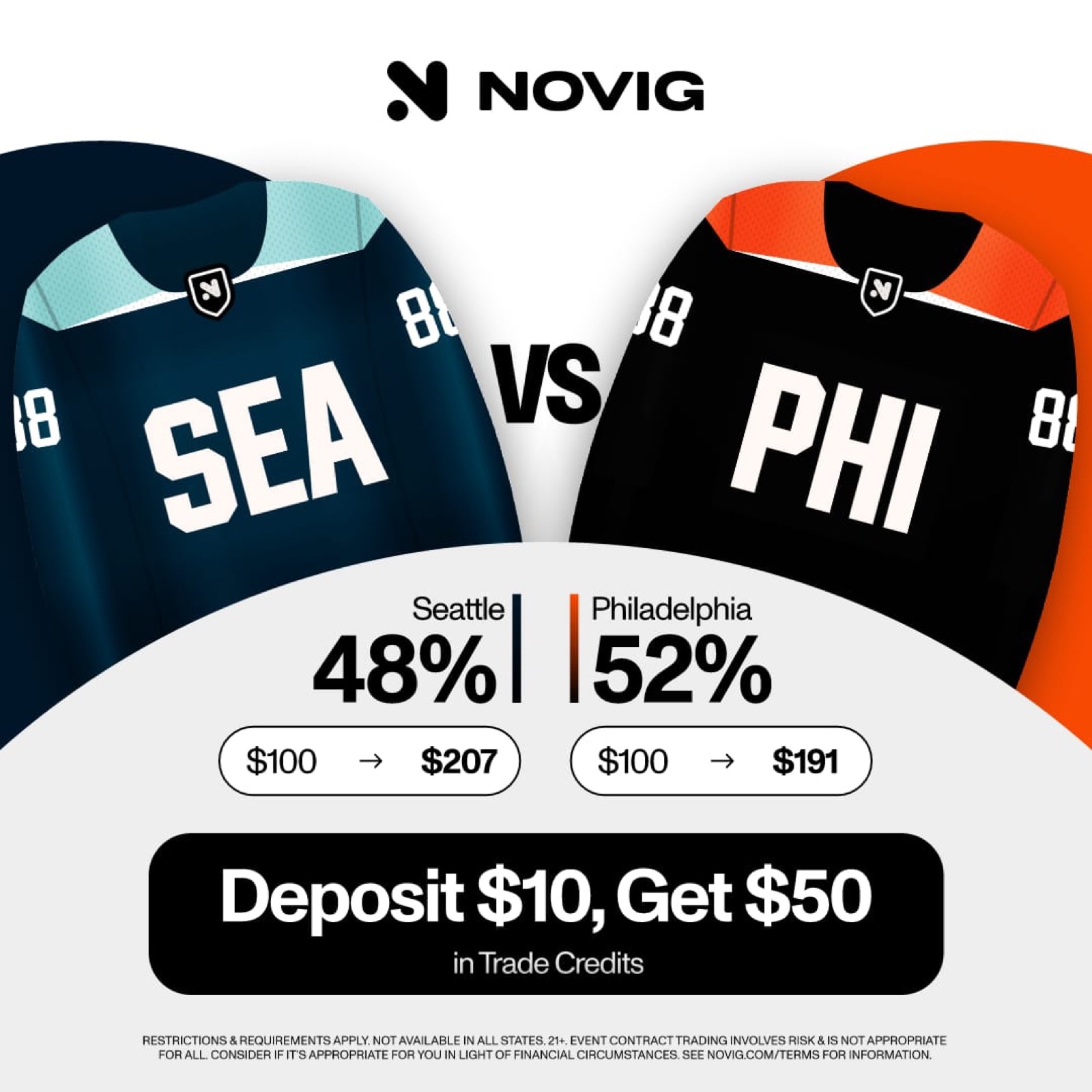
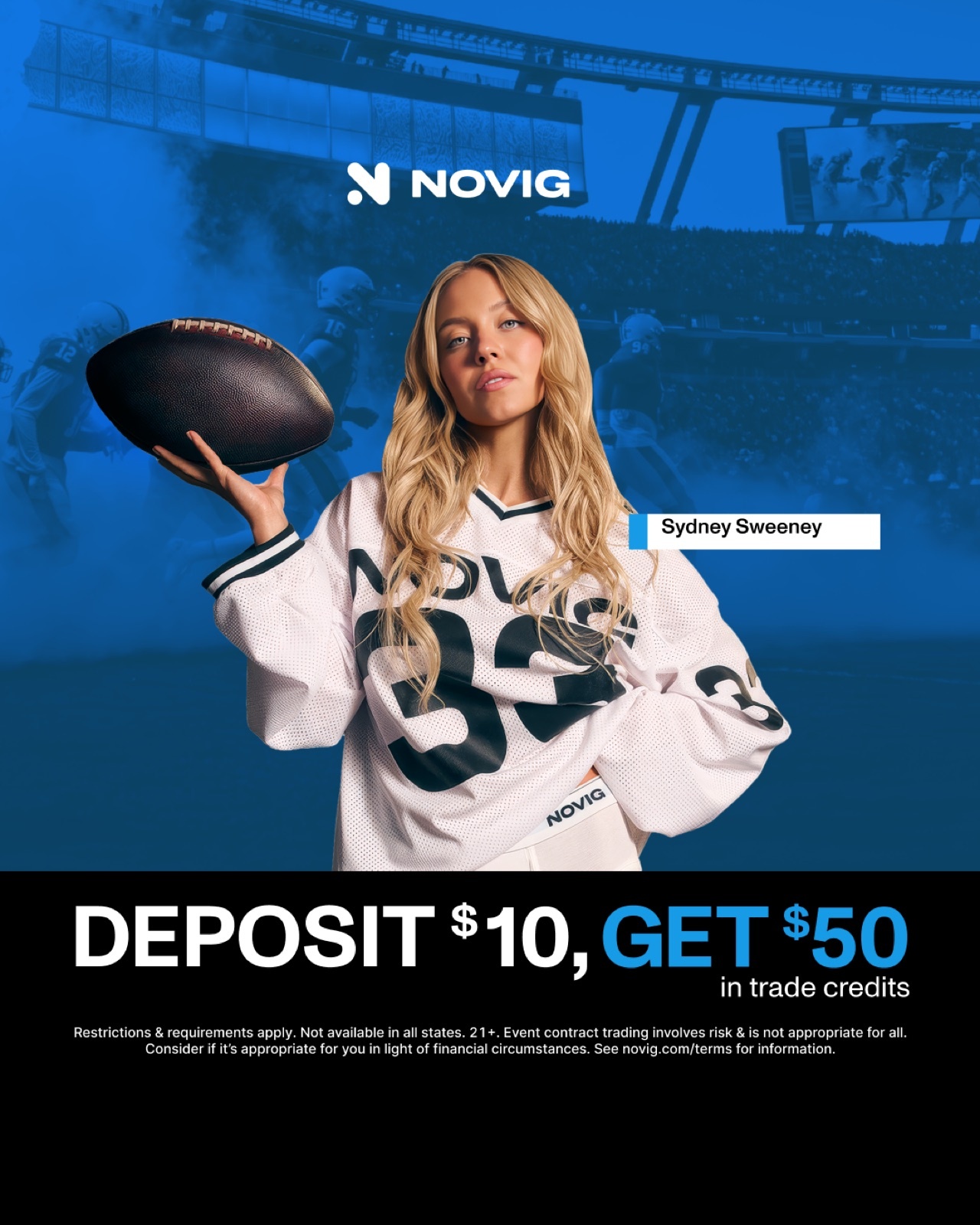
Kalshi launched 919 football ads from 1 September and 149 in one batch on 13 October. Novig is small, but the shape is the same.
I'd copy the weekly batch and the catalog. I'd watch the run lengths: median active ad is 10 days, longest finished 24. Five weeks of data is too early to set a kill rule on.
Five weeks of Novig on Meta in two numbers
Twelve ads went out in September and 59 in the first fourteen days of October, so the account scaled after search interest had already turned down. Across all 71 ads, none says bet, betting or gamble and every one says trade. Meta has no ad category for prediction markets, so the words in the copy decide whether an ad gets through review, and I'd settle the word list before anyone writes a line.
Kalshi and Polymarket time celebrities to the hour and the day
What Kalshi gets right is timing. It put Messi out two days before his first game of his last World Cup. It launched the Chalamet film 12 hours after the Knicks incident. It announced Giannis the day after he said he was staying. One World Cup ad went from concept to live in 24 hours. The Times Square and LA billboards are the product piped from the API, every trade on the app projected live, and Mansour says it took about 20 iterations to get right. Marshawn Lynch went Beast Mode in a convenience store on 10 September, Novig's second day. The Chalamet spot was shot by Linus Sandgren and got roasted anyway, which tells you production values don't buy affection in this category.
Polymarket built a world. LeBron posted a 14-second elevator teaser, floors labelled politics, crypto, culture, weather, and got off at sports. Then the 90-second Peter Berg spot, 15.5 million views on his X post, with the Squads feature launching underneath so the attention had somewhere to land. The concept started in house and an agency expanded it. Betr did an Entourage reunion, nearly 10 million organic views in under 24 hours, and the show's creator called it theft.
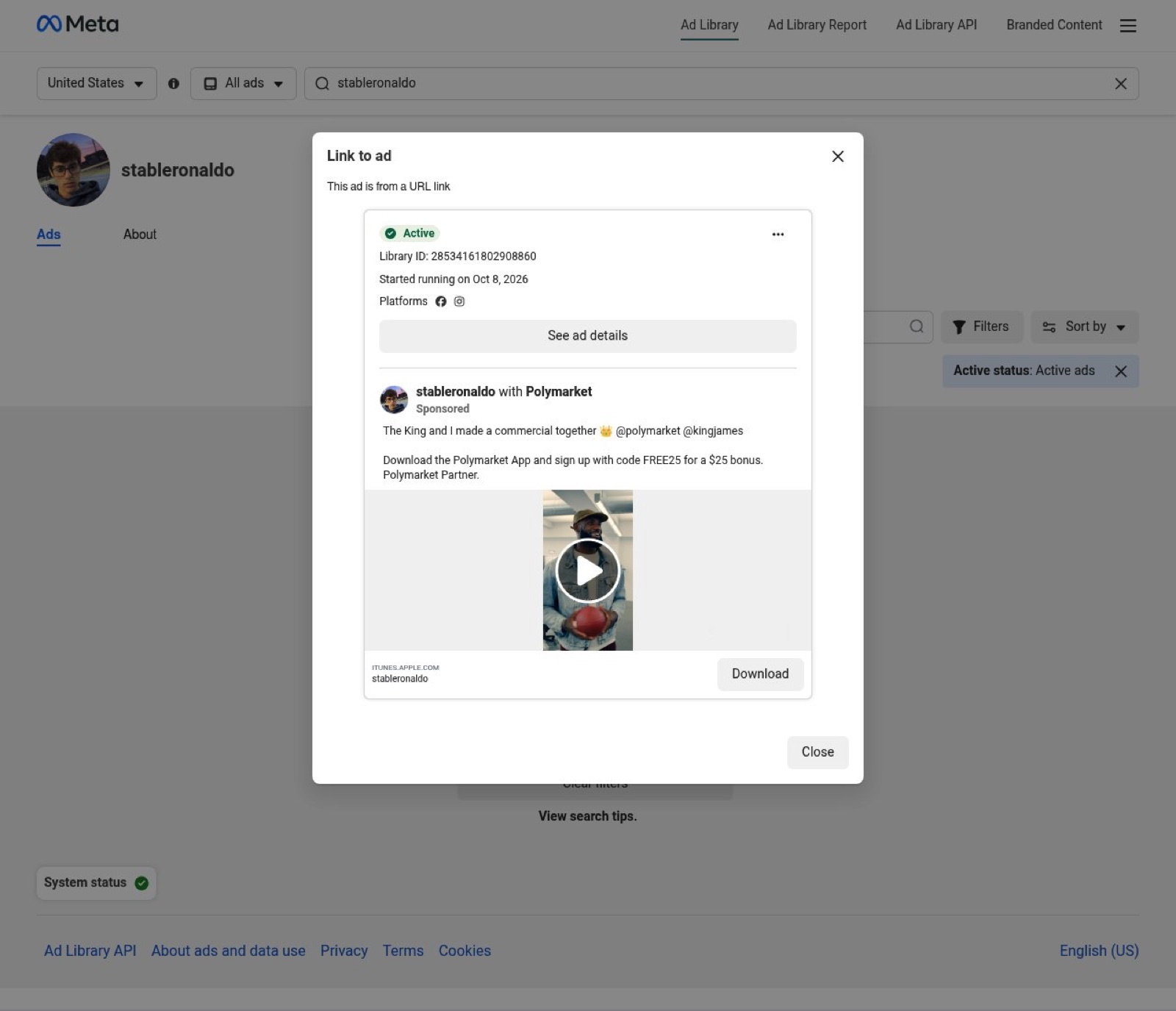
Novig's version: Head of Creative Alex Thompson inside the company, a production partner shooting it, Sweeney driving the visuals and the message, two tentpoles planned from the start. Then a 30-second No BS sequel and a 16-second responsible-trading cut in a hockey jersey. A Times Square billboard, and on 12 October a Powerade ad placed opposite it.
Every one of these buys days. Messi's window closed at kick-off. Chalamet's closed when the Knicks story did. Sweeney's peaked on day five. The companies that keep growing after the window are the ones whose odds are already somewhere the fan looks every day, which is the next section.
Odds on CNN, inside Robinhood and in the group chat outlast any film
If I were the CMO of any of these, I'd spend more time on who shows the odds than on who stars in the film.
Kalshi odds run along the bottom of CNN segments. CNBC carries a Kalshi ticker on Squawk Box and Fast Money, and that deal includes customer acquisition and a minority investment. Dow Jones signed an exclusive with Polymarket to put its odds across the Journal, Barron's and MarketWatch. X built a Grok tool on Polymarket data. Brokers became 80% of Kalshi's revenue, and over a million Robinhood customers have traded 9 billion contracts through the Kalshi integration. None of those people saw a celebrity. The odds were simply there when they opened an app they already used.
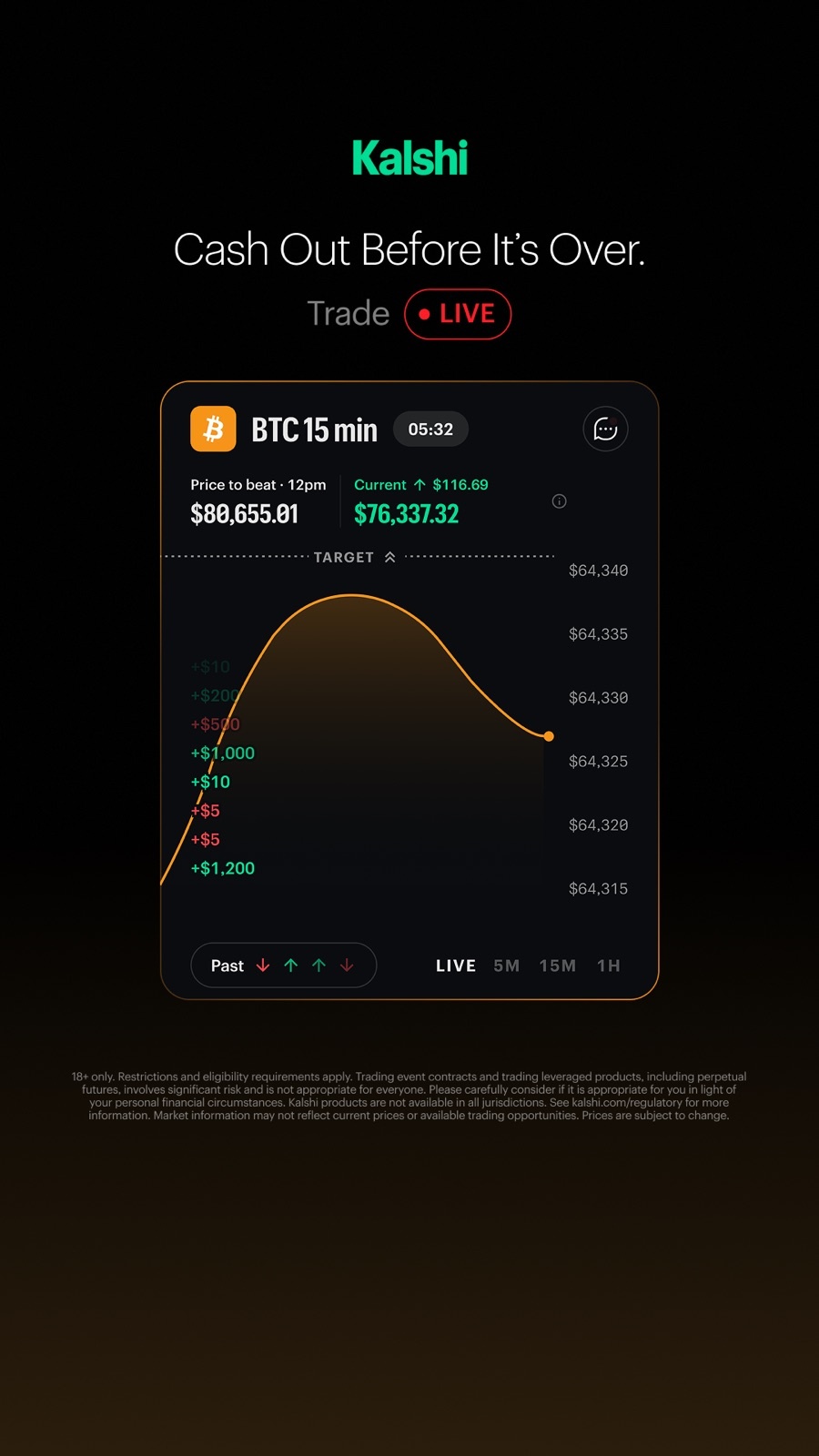
The pattern in both companies' search history is the same. The 2024 election was the biggest traffic month either ever had, and Polymarket gave back 99.3% of it within a month. The step changes that held line up with distribution deals rather than ad flights. Kalshi gets this: 30 of its live Meta ads send people to press coverage instead of the app. Its football ads do a version of the same job inside paid social. The copy sells the game, and the card sells a live 15-minute bitcoin market, so sport brings the customer in and the other markets go on sale on day one.
Leagues are the sports version. Novig was first to a team deal, the Mets, with signage at Citi Field, on the jumbotron and in the broadcast. Seven MLB teams now have agreements, nearly a quarter of the league. Kalshi signed five clubs and had to correct a press release claiming all five were exclusive when two weren't. The NHL has both. Kalshi has Argentina, with Messi's face on it. The NFL refuses every partnership and still bans the ads.
Novig's sports-only position has a cost here. No election hub, no odds on a Fed decision, so no CNN ticker and no Dow Jones module. The only distribution it can buy is leagues, teams and broadcasts. It chose that trade. The next few team deals matter more to Novig than any film, and I'd be in every MLB front office before the NFL moves.
The sports calendar moves the whole category more than any campaign
| 2026 | |
|---|---|
| May 2026 | 26 |
| Jun 2026 | 47.7 |
| Jul 2026 | 53 |
| Aug 2026 | 47 |
Creator codes grew fast and then produced a federal investigation
Three models, and two of them broke.
| Platform | How the creator ad runs | Code or offer | What it cost them |
|---|---|---|---|
| Novig | Creator videos run as Novig's own ads under Novig App, no paid-partnership label, 0 of 71 | No code, the $50 deposit offer only | 0 violations across 71 ads |
| Kalshi | 65 partnership ads under creators' handles since August, plus at least 140 sponsored YouTube videos in 90 days | Personal codes, ish25 for $25 | A 15-year-old streamer cut only after the lawyers weighed in, an affiliate badge programme killed because policing became impossible |
| Polymarket | stableronaldo with Polymarket tagging LeBron, 352 of 373 live ads carrying a code, at least 101 sponsored YouTube videos | FREE25 | A fake version of the site for creators, $1.9 million in wagers that never happened, 140 million views, federal investigations, a restructured marketing team and a third-party firm monitoring partner content |
The fake-charts programme is worth a minute. Polymarket staff shared a video called Getting Started with Fakecharts on a Discord with dozens of creators. The creators didn't place real trades and in many cases claimed wins on bets they would have lost. Roughly two dozen of them posted about Polymarket around 490 times without disclosing payment, which has been illegal under the FTC's rule since 2024. When NPR asked Kalshi about a handful of partner posts, Kalshi had them taken down the same day.
Then there's what the brand never booked. The one Kalshi item in TikTok's European library is an affiliate registered in Guatemala pushing a bonus up to $2,000 referral link into Spain, on a platform whose public policy bans bonus codes. That's the referral programme reaching ad inventory nobody at Kalshi controls.
The trouble in both cases started with creators posting from their own accounts with personal codes. The brand didn't see the claim before it went out, and the code tied every fake win to a payment. We run creator video through the brand's ad account, as a partnership ad or the brand's own ad, with every line of copy approved and the disclosure on every post, and we measure it on the ad ID rather than a code. Novig runs its creator video as its own ad, and it's the only one of the three with nothing to explain.
Three creator ads, three set-ups
Novig answers "Is this the Sydney one?!?" in a video it runs as its own ad. Kalshi runs a creator partnership ad with the personal code ish25. Polymarket's LeBron spot runs under a creator's handle with the code FREE25.
Every ad says trade because Meta has no category for prediction markets
Meta has no category for prediction markets. Its gambling policy never mentions event contracts. Every one of these companies is advertising a product its ad platform cannot name, and the copy follows from that.
Kalshi's route for two years was the political category: 1,389 ads carrying the social issues and elections disclaimer, $10.8 million to $11.8 million of disclosed spend. Nineteen ads were removed under the gambling policy, 18 of them October 2024 creative saying bet on the election. Seventy-eight were taken down, 71 for a missing disclaimer. From August 2026 it stopped, and only 102 of 993 new ads carry the category. Polymarket's biggest international ad reached 2.35 million people in the EU before Meta pulled it under the same policy, and none of its 373 live ads target the EU now. Novig: 0 violations across 71 ads, audiences set to 21 and over where visible, no EU targeting.
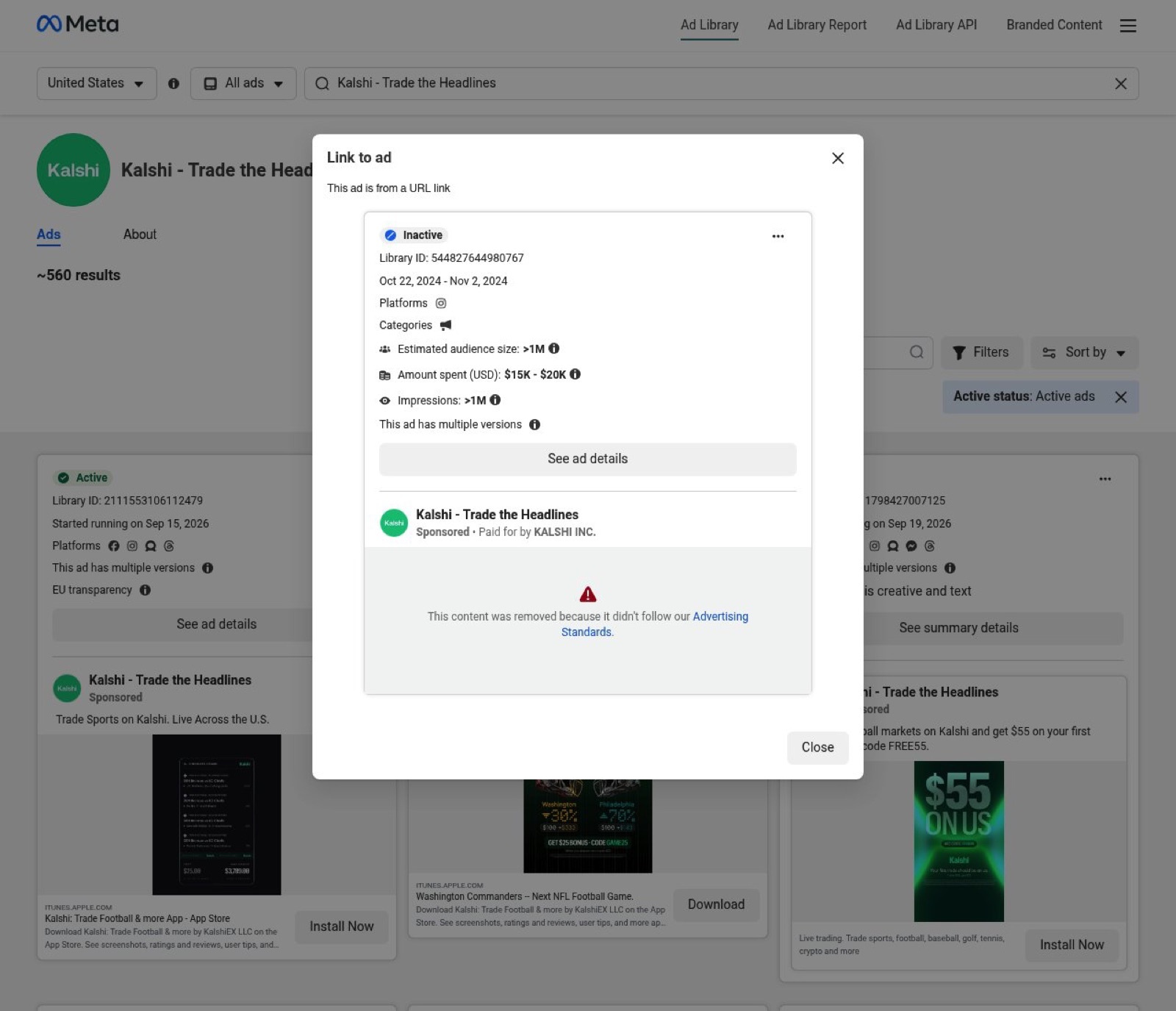
Google opened on 21 January 2026 and the entry rules are narrow. You need a CFTC designation or an NFA brokerage, a separate application per state, and Connecticut, Michigan, Nevada, New York and Ohio are excluded. Coinbase put the NFA-member disclaimer on the creative itself. Novig has been on Google search since February, 18 visible creatives, the early ones still selling Coins, and about $31,000 a month in estimated paid search now.

TikTok shows nothing from any brand in its European library, approval goes through a sales rep, and bonus codes are banned on paper. The NFL bans the ads outright. And Novig's 21-plus rule, against 18 at Kalshi and Polymarket, is the one line no regulator can argue with.
So the rules decide what the creative can say. The chart below shows how Kalshi's vocabulary changed. For the first eighteen months this is specialist work, because on a new account a run of disapprovals starts an account-ban clock, and nobody notices until the account is gone.
Kalshi went from bet to trade in two years and Novig started there
| Period ads launched | Bet, betting or gamble | Trade words |
|---|---|---|
| 2024 | 84% | 24% |
| 2025 | 25% | 65% |
| Jan-Jul 2026 | 0% | 97% |
| Aug-Oct 2026 | 1% | 93% |
Kalshi sells legality, and Novig said trade from day one
Left: Kalshi's most-used live line, "the first federally regulated exchange where you can legally trade on anything", in a creator-style video that ran 51 days. Right: Novig's first paid wave on 10 September, Sweeney in the jersey over "You've got sports takes. Novig lets you trade them."
Retention runs on fees, five $10 credits and a monthly points ladder
A ten-day depositor is worth nothing unless they're still trading in November. Retention here is fees, credit design and a points ladder, and Novig's is the most carefully built part of the whole account.
Fees first. Takers pay 0.03 x P x (1-P) per contract, makers pay nothing, pre-game straight trades are free on both sides, parlays carry 0.10 inside the quoted price. A hundred live NFL contracts at 50% costs $0.75. Cheap enough that nobody leaves over fees, and the fee peaks at even odds, where the volume is.
The welcome $50 lands as five separate $10 credits, so one deposit becomes five trades. The referral launched 1 October: the friend gets $50 on a $10 deposit, and the referrer gets five $10 credits only after completing five trades, risking $50 and depositing $10. Credits pend 30 days then forfeit, must be used within 7 days, cap at five friends, and only work on contracts up to 60 cents. The referrer has to trade five times to get paid, and the cap keeps free money off heavy favourites.
Points on top: 10 per $1 on parlays, 3 per $1 on live takes, 0.1 per $1 on filled makes, three daily drops, Bronze to Ruby with a custom share slip per tier, a $500,000 October pool, reset at 6am ET on the first.
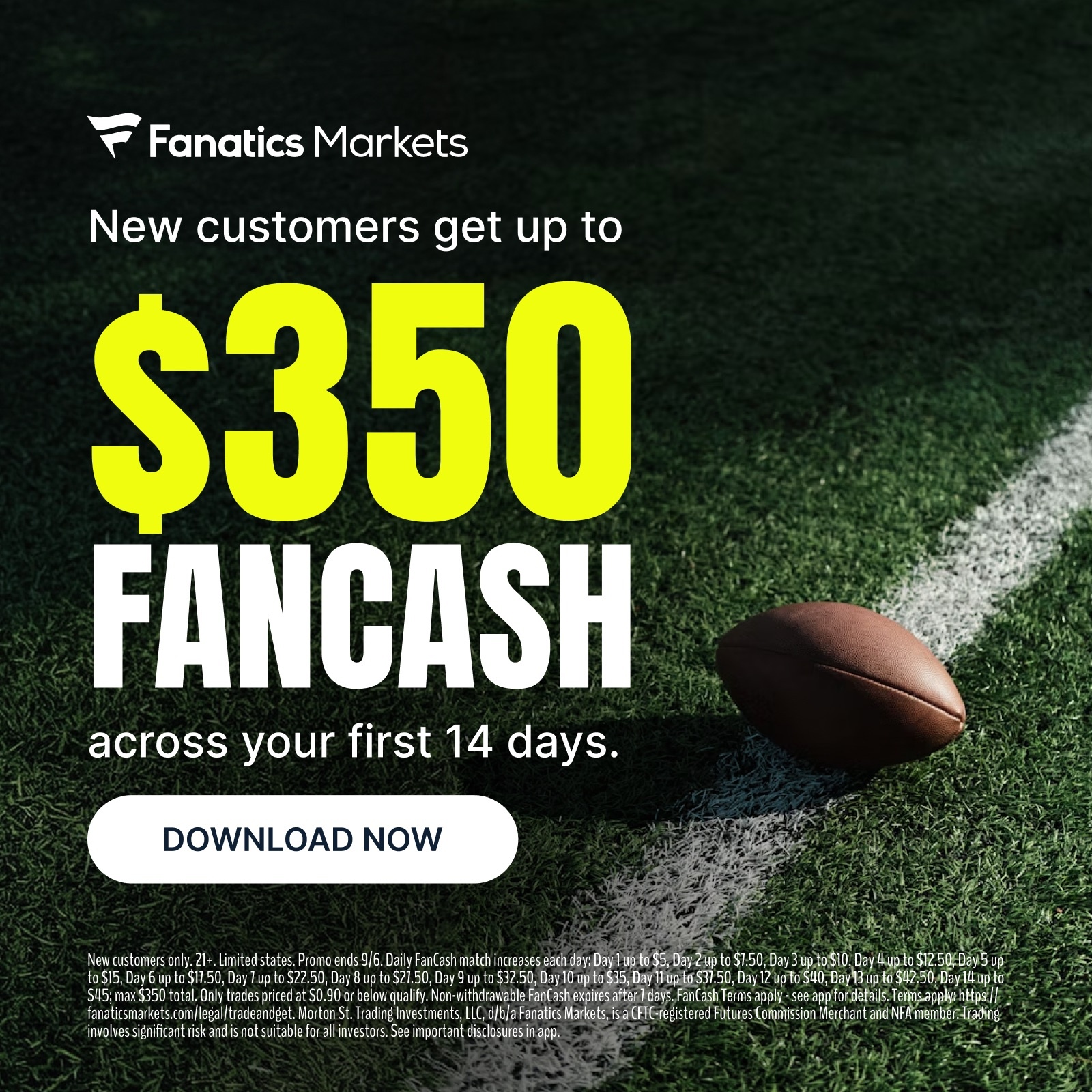
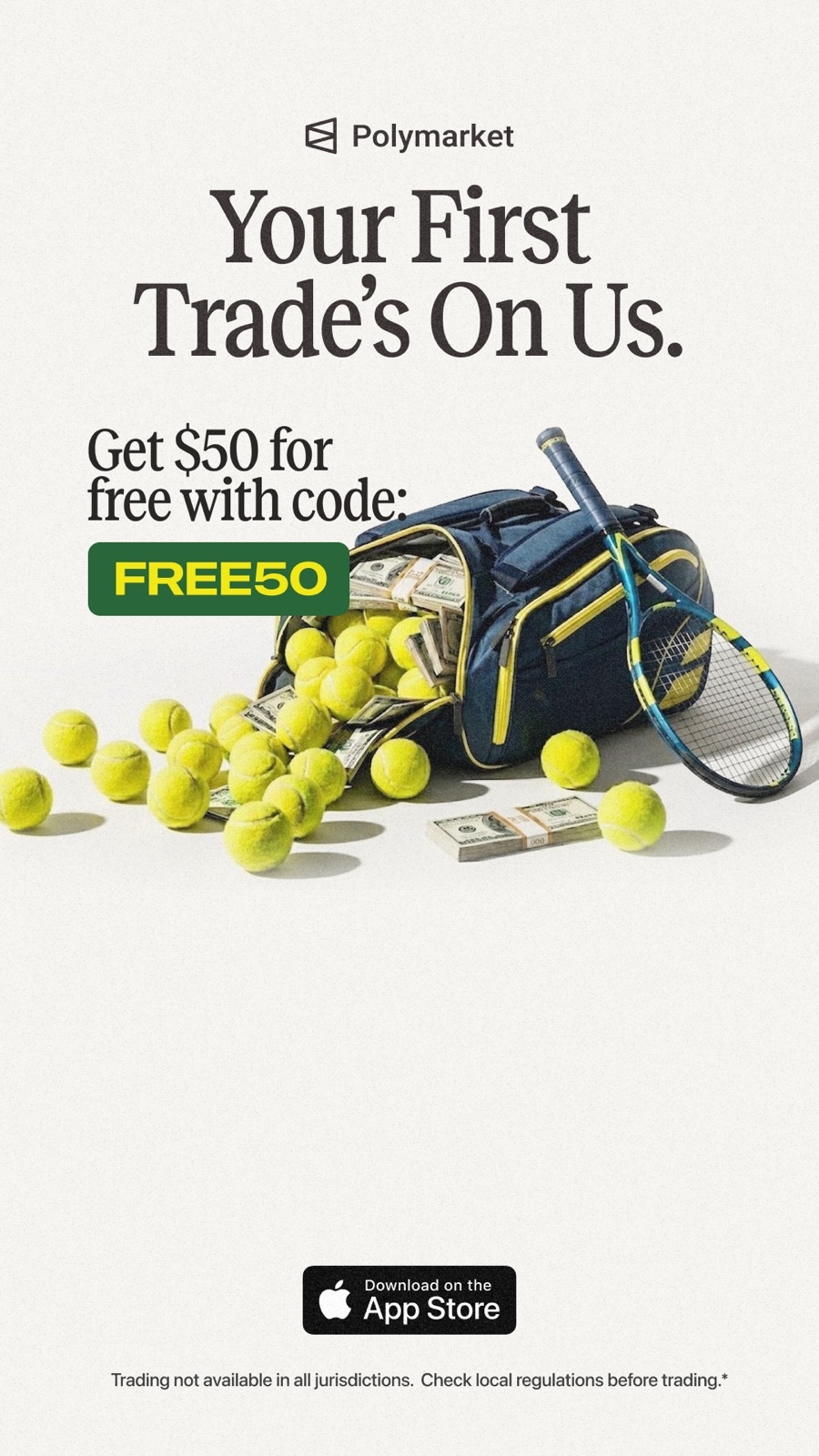
| What | Novig | Kalshi | Polymarket |
|---|---|---|---|
| Welcome offer | $50 on $10, as five $10 credits | 1:1 match up to $25 | $25 with FREE25, or $50 on a $20 deposit with FREE50 |
| Referral | Five $10 credits after five trades, cap five friends | Varies by offer, credits with withdrawal limits | 10% of direct and 5% of indirect referral net fees |
| Interest on balances | None published | 3.5% on balances over $250, accrued daily | 3.25% holding reward, sampled hourly |
| Liquidity rewards | Maker credit up to half the taker fee | Order-book snapshot every second, share of a pool | Maker rewards paid daily at midnight UTC |
Kalshi says 75 to 80% of its customers never trade; they come for the charts. Novig has no chart anyone talks about, so its retention has to be paid for.
What breaks at scale is the expiry windows and the clawbacks. Multi-accounting rules, pending credits and 7-day fuses are lifecycle work with legal attached, and a promo manager will get one of them wrong within a month.
What I would not do with the next ten days of attention
I would not book a second celebrity until the catalog ads and search are carrying the depositors. The sequel bought Novig two days of lift and its first name-check in copy. It did not buy a new curve.
I would not put creator wins behind personal codes. The codes tied every fake win to a payment, and federal investigators followed the trail.
I would not open Audience Network on a 21-plus product. Novig dropped it on all 59 October ads. I'd never have turned it on.
I would not use the word bet anywhere, including the App Store slug. Eighteen of Kalshi's 19 gambling-policy removals carried it.
I would not raise the offer above $50 without a holdout. It has to match the referral payout, and every rival is at $50 or a 1:1 match. Above that you're bidding against your own friends-and-family loop.
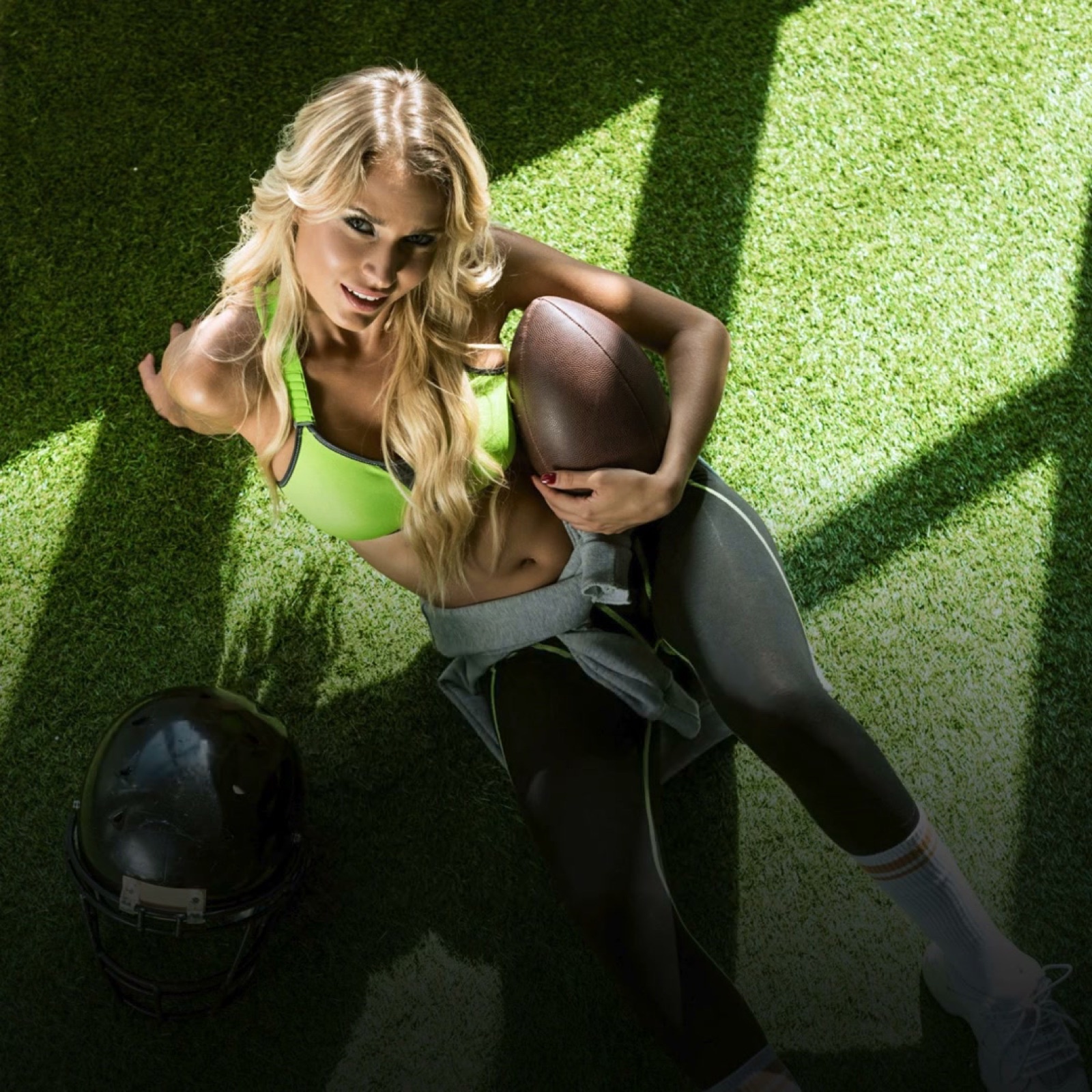
I would not leave the brand term to a plaintiff recruiter. Three lawsuit lead-gen ads have been bidding on Novig's name since 29 September, with an image of a woman posed with a football on a pitch.
I would not bring this in house in the launch year. The compliance, the weekly batch and the lifecycle rules are three different specialists, and a founder-led team gets one of them.
Two calls. Novig's next real growth comes from the DPA catalog and the Mets-style team deals, and I'd move the film money to search and catalog for Q4. And a year from now the NFL will still be refusing partnerships and 21-plus will be the category standard, which hands Novig the positioning it already paid for.
The test I'd run next: a geo holdout on the $50 offer across six states for four weeks, $25 in half of them, with first-time depositors as the read. If the $25 states hold within ten percent, the offer is overpaying, and that's the money for the next catalog batch.