
A $7.1B company that buys 137 search visits a month
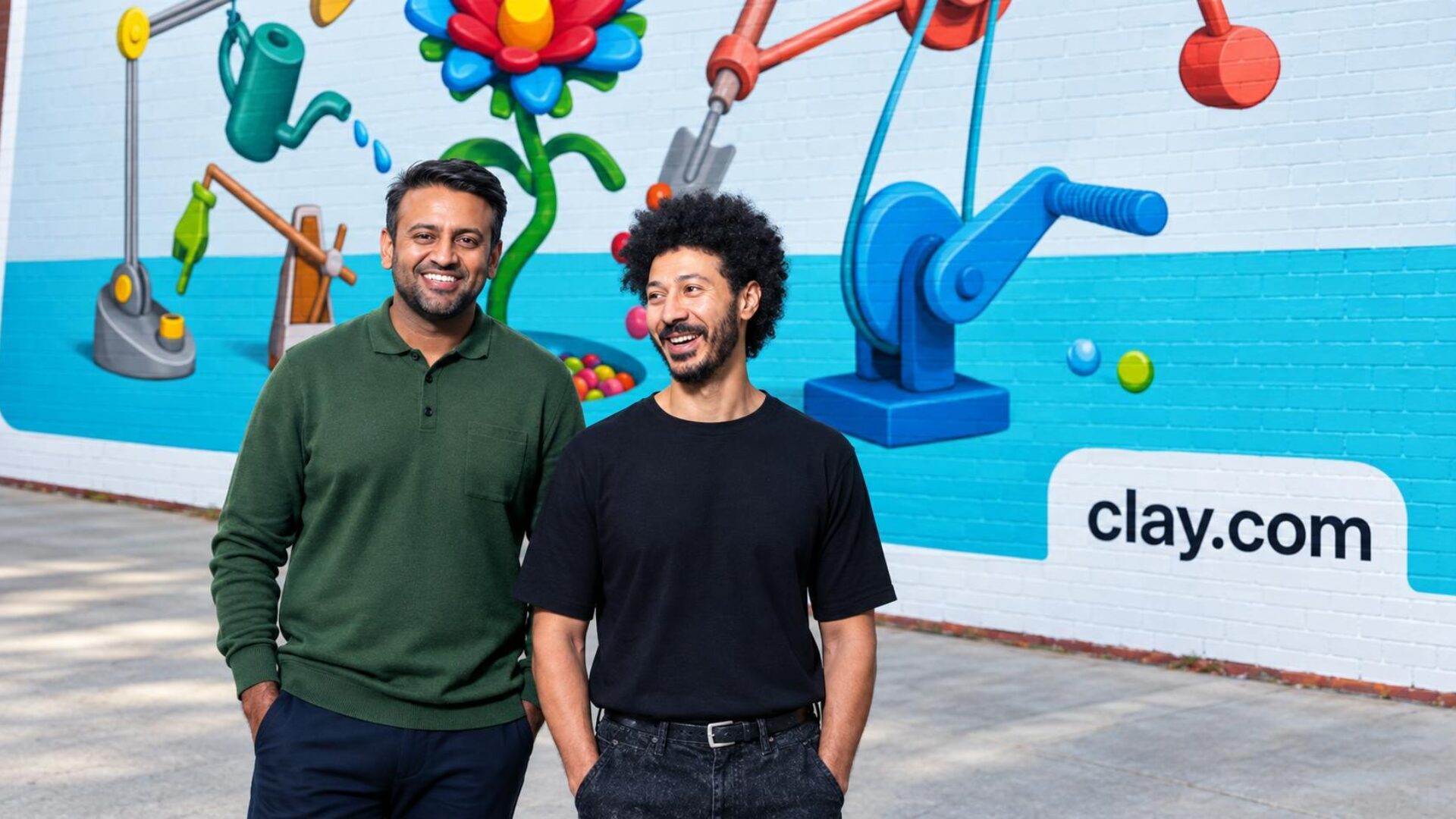
Clay closed a $115M Series D at a $7.1B valuation on the back of 4x revenue growth in 2025, with revenue sitting around $100M. Its entire paid search bill is $502 a month, for 137 visits. The organic traffic landing alongside those visits would cost $113,325 a month to buy. That gap is not frugality. Nothing in the paid line is buying the demand, so something else is manufacturing it.
Clay named the buyer before the buyer existed
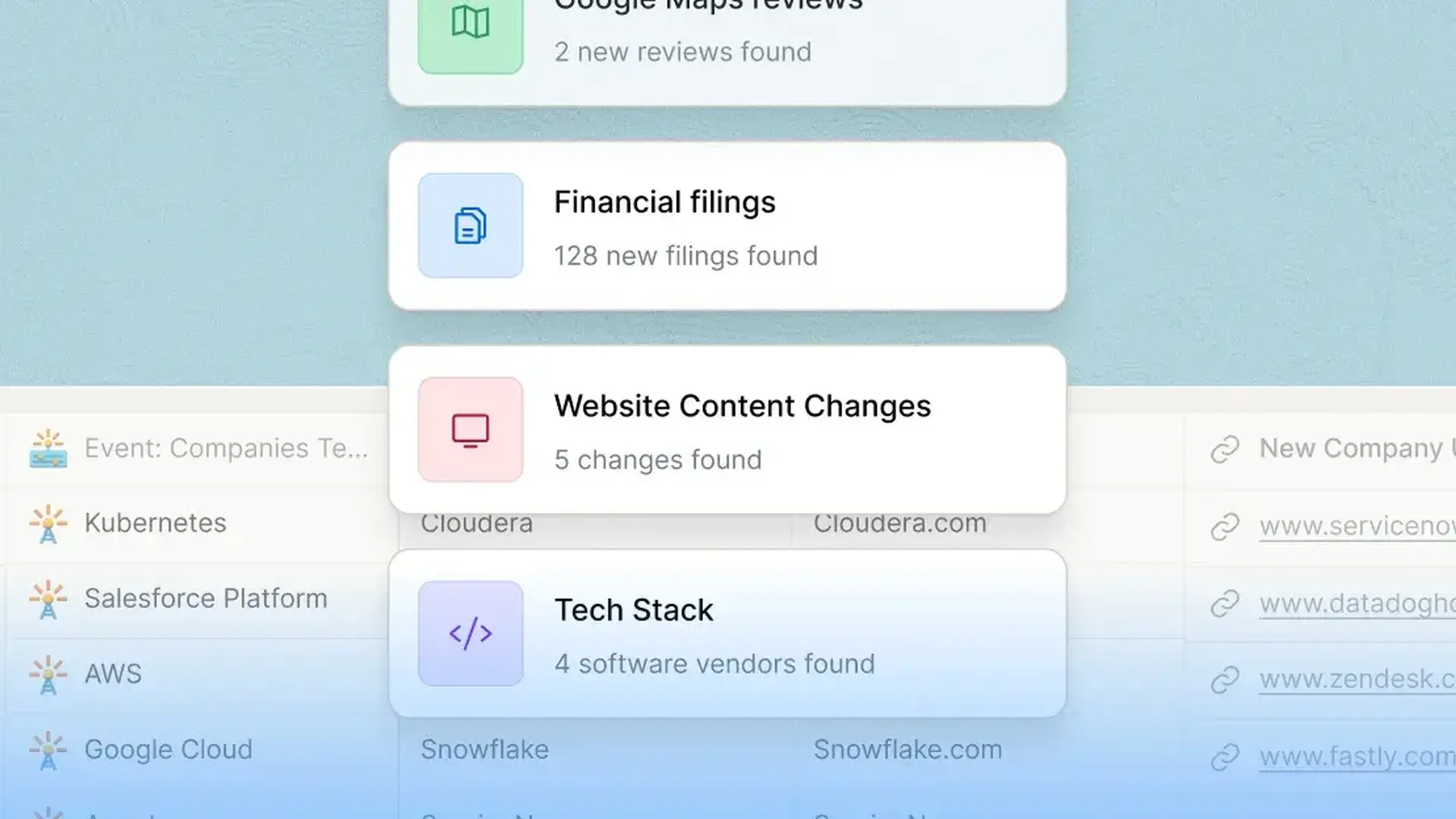
Every good CMO knows what Clay is: a spreadsheet that pulls enrichment from a couple of hundred data providers and pushes the rows into your outreach tools. That sentence is true and it explains none of the growth. Clay coined "GTM engineer" in 2023, and the homepage today does not describe the product at all. It reads "GTM engineers build on Clay".
Kareem Amin's own framing is about the operator, never the feature. Figma is for designers, Cursor is for developers, Clay is "the tool for expression for go to market teams". A microwave has one button; a guitar has six strings and twelve frets and you can play anything. The company's verb, he says, is grow. Later he called it the "system of action for sales". I would not copy the guitar line. Clay sold a guitar for five years, from a June 2017 founding to the January 2022 pivot, and finished with about 20 customers paying $30 to $200 a month.
A job title is positioning with a payroll attached, and it displaces things. Inside Clay, RevOps no longer exists as a department: finance kept forecasting and pipeline targets, GTM Engineering took systems, data quality and automation. Outside, the title eats the SDR. Verkada has GTM engineers automating 80% of SDR workflows so each rep books four times the meetings, 80 to 100 a month.
Then the title took. About 100 GTM engineer listings go live every month. Median posted salary is $127,500; Clay pays $175,000 for its own, which is the tax you pay to stay the reference employer for a role you invented. Clay appears in more than 90% of GTM engineer profiles. A procurement software company in Hamburg is hiring one who must be fluent in German, English and Clay, with at least a year in the role and two shipped systems behind them.
Clay did not write that posting and did not pay for it. It is a job ad on another company's careers page that lists Clay fluency as a hiring requirement, and every one of those is a piece of demand Clay never had to buy.
Every GTM engineer posting names the same stack
| Tool named in posting | |
|---|---|
| HubSpot | 52% |
| Outreach | 49% |
| Salesforce | 45% |
| Zapier | 39% |
| Apollo | 29% |
| n8n | 28% |
| Gong | 23% |
| Looker | 17% |
The community started as a cheaper Intercom
Nobody at Clay set out to build a movement. Pre-pivot, the company was paying for Intercom to run support, the contract was expensive, and somebody shut it down and pointed users at a free Slack workspace instead. About 200 people were in it at the January 2022 pivot. That is the entire founding rationale, and every CMO who launches a "community" this year is doing it for the opposite reason.
The pivot itself came out of a room, too. The team ran a customer-discovery sprint inside the Modern Sales Pros community and found cold-email agency operators who would pay $300 to $1,500 a month for what the horizontal product had been failing to sell at $30 to $200. So the sequence matters. The buyer was found in somebody else's community, then moved into Clay's own, and for two years that Slack is where a few thousand outbound operators argued about waterfalls and enrichment credits before anyone had a word for what they did. By the June 2024 Series B it had crossed 10,000 members. Kareem now puts it at 20,000.
Look at what hangs off the room today. The page copy is "The most creative minds in GTM", and underneath it sit Clay University, the GTM Engineer job board, the startup programme and the campus ambassadors. Every one of those is a later addition to a support channel, and the job board points the same people at the roughly 100 GTM engineer postings that go live each month.
The precondition is that the practitioners arrive before the vocabulary does, which is why you cannot buy this by launching a Slack. Clay's members were pricing waterfalls against each other from the January 2022 pivot until the company gave the work a name in 2023. Spin one up today with a community manager and a content calendar and you get a support queue with a nicer logo, and the tell is that staff answer before members do.
The repetitive support questions that Slack was meant to absorb are now handled by Finn, Intercom's AI tool. Clay ended up paying Intercom after all. What it got for free in between was the customer.
One template page outdraws the post that named the job
Organic brings 77,734 visits a month across 11,745 keywords, 2,478 of them in the top three, on a Domain Rating of 80 and 679,245 backlinks from 12,397 domains. The homepage is the biggest single door, but the second is a template for pulling YouTube transcripts, which has nothing to do with selling Clay and everything to do with what a GTM engineer does on a Tuesday. I would build the library before the blog. Artefacts practitioners reuse are what answer engines cite.
| Page | |
|---|---|
| Homepage | 10800 |
| YT template | 6258 |
| Dossier | 1952 |
| GTME blog | 1237 |
Where a customer actually enters
The first line a visitor to the startups page reads is "Turn vague, untested ICP hypotheses into enriched, signal-rich prospect lists within your TAM." A buyer wants pipeline. That sentence is written for the person who will be asked to build the list, and everything downstream of it is priced for that person.
Free gets you unlimited seats and tables, the multi-provider waterfalls, Claygent, the Sequencer, 200 rows per table, 100 data credits and 500 actions a month. A trial gets Growth features and 2,000 credits at 50 rows. Neither is enough to run outbound for a company. Both are exactly enough to learn how, on a 200-row practice list.
The ladder is a curriculum, and the price list starts at $185.
Look at what gates the paid tiers. Launch, from $185 a month, unlocks 50,000 rows, phone enrichment and job-change signal tracking. Growth, from $495, adds CRM auto-sync, webhooks, HTTP API calls and audience pushes to ad platforms. Every one of those is a feature an employer needs the moment the learner is on payroll. The person converts for free and the company pays $495.
That is how PLG stays the primary motion while revenue splits 50/50 self-serve and sales-led. Kareem describes three layers: self-serve first, a sales-assist motion that upgrades heavy users to annual, and a sales-led motion added recently. The 10% annual discount is the sales-assist lever in plain sight. The referral pays 3,000 credits to both sides when the referred account goes paid, which at the $0.05 list price is $150 of enrichment each, and enrichment credits get spent building tables. For a tool whose moat is fluency, credits are the referral currency I would use, and I would keep the two sides equal at 3,000: a referrer paid $150 in cash cashes out, and a referrer paid 3,000 credits builds another table.
This part is buyable on Monday. Scope the free tier to the project a learner builds, and gate the upgrade on the CRM sync and webhooks an employer needs. I would kill any free plan capped on seats. The seat is the person you are trying to train, and Clay's free plan hands out unlimited seats while capping the table at 200 rows.
The campus class converts through somebody else's payroll
Every programme Clay runs pays out in the same currency, and the currency is credits. Campus Ambassadors, a first class recruited for the 2026-27 school year, get a workspace whose free credits renew each semester, plus direct access to Clay's internal GTME talent network and talent team. Wedge, the two-week async programme for venture-backed startups, hands out thousands of credits, which at the $0.05 list price is a few hundred dollars of enrichment per founder. The Startup Partner Program feeds Wedge with VCs, accelerators, incubators, studios, media companies and communities.
A credit costs Clay marketplace pass-through, and every one spent ends as a table somebody shows an employer. Cash leaves the building. I would pay for fluency in credits at every tier, priced off the same $0.05 list rate.
The Creators programme is the one that pays in money, as affiliate revenue through Rewardful with a 30-day pending period against refunds. The partner testimonial puts the value in "a direct line to bleeding-edge outbound resources, Clay's social network and their incredible team." The affiliate cheque is the excuse and the access is the retention. Solutions Partners admit under 10% of each application batch and certifications expire after one year, so a partner has to keep coming back to stay listed. People Data Labs calls Clay its channel to thousands of SMB customers its own developer tooling could never reach.
Renewal is the mechanism, and the clock is a semester.
An ambassador enrolled this autumn is a junior GTM engineer in eighteen months and an employee at a paying account in twenty-four. No line in this year's budget will ever see that revenue arrive, because the conversion runs through somebody else's payroll, and I think the campus class becomes Clay's highest-return programme by 2028.
The evidence stops short of what a CMO would need to price this. There is no conversion figure for any programme, no cadence or module count for Wedge, and no sign of who inside Clay owns the portfolio. Anyone copying it should plan for three years before the first ambassador signs a contract on the other side of the table.
Bootprint is a school Clay buys from and never sponsors
Bootprint sits on somebody else's P&L. It was called Clay Bootcamp until it renamed itself in 2026, and it sells a promise on its homepage that reads "Learn to build AI GTM systems. Then actually ship them." Students commit a minimum of 10 hours a week, get twelve weeks of 1-1 building time with one to three coaches drawn from a bench of 15+, and are expected to have met at least eight relevant people in the network before their second week ends. Admissions start with a conversation with a graduate. The community is 300+ people it calls the tribe, and Clay has put 40+ of its own employees through it.
Read the curriculum as a media plan. Clay heads the list, ahead of Claude Code, HubSpot, Salesforce, Attio, Supabase, n8n, trigger.dev, Smartlead, Instantly and HeyReach. Every one of those is a downstream tool a graduate wires into a Clay table, so the first thing a fee-paying student builds fluency in is the thing Clay sells. Clay's only visible money in this is as a customer, paying to train its own staff; there is no sponsorship, affiliate cheque or spend line in evidence running the other way. A cohort-based course with mandatory hours and 1-1 coaching is the most expensive format in education to run, and a third party is running it as a feeder into the same ~100 monthly postings. If I were pricing this as a paid channel, the cost per pre-sold practitioner is the closest thing to zero I have seen at this scale.
The culture came out of the cohort too. #GirlsWhoClay started inside it, and an alumnus coached a Clay Cup winner in 2025. Clay did not commission either.
You cannot brief this. A third party only funds a bootcamp around a tool when there is already a job market to place graduates into, so the channel is strictly downstream of the title. Build the demand for a skill first and the schools appear; build the school first and you have a paid course with no employers waiting at the end of it. The rename is the tell I would watch. Dropping Clay from the name means the operator believes the job now outranks the tool, and I think within two years these programmes teach Clay as one option among several. That is the price of inventing a job: eventually the job stops needing you.
Clay sells Clay with the role it invented
Look at who sells Clay. The company's own analogy is that Harvey uses lawyers to sell legal software, so Clay uses GTM engineers to sell Clay. The consultative seller on the call is the exact role the customer is about to hire, which makes every discovery call a demo of the org chart.
There is no campaign. There is a practitioner building a Clay table in front of you.
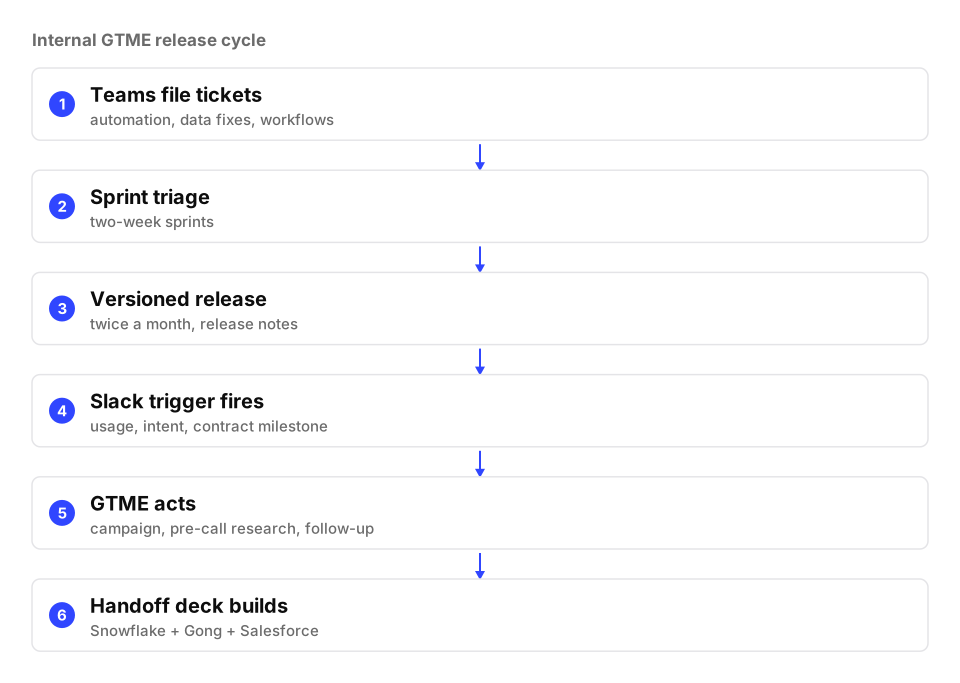
The internal team reports to Varun, the co-founder who runs ops, and sits alongside the executives running the major functions. That placement is the decision I would copy first, because a GTME buried in RevOps inherits the sales org's ticket queue and never gets to make an architectural call. Clay's runs two-week sprints on tickets from every other team, ships twice a month with release notes, and version-controls its tables the way engineering versions code. Four core tools, Clay, Snowflake, Salesforce and Gong, with a Slack app as the working surface: trigger a campaign, see a usage or intent trigger, get pre-call research, get a follow-up drafted from the transcript. Handoff and QBR decks assemble themselves from Snowflake credit consumption, Gong recordings and Salesforce records, and the Google Slides deck publishes itself before the kickoff call.
The volume split is where Clay's own tooling stops. Outbound at 50,000+ emails a month runs through Gong Engage, whose API takes a fully custom multi-step sequence per contact, every message and subject line, in one call. Clay's own Sequencer cannot carry that volume yet, so it carries strategic outreach, expansion plays and partnership development. Most of Clay's executive-level selling happens over iMessage, and one of its largest deals this year closed entirely in Slack DMs, so Salesforce saw neither. When a seller built a table to track buying signals and draft outreach, the GTME team templated it and shipped it org-wide within days. Spencer, one of those GTMEs, arrived as a product designer and learned SQL with Claude.
The org numbers that price the decision: 40 engineers, a product team of four, headcount from 25 to 100 in a year and then 135. The evidence never gives a GTME headcount or names who owns community and the programmes, which is the one number a CMO costing this needs. Clay's advice is a GTM engineer before the first AE, first project the golden list. I would take that literally, and I would have the hire report to whoever runs operations, the way Clay's report to Varun.
What you can buy on Monday and what you cannot
Six parts of this machine are buyable this quarter without a new hire to approve them, and each one is in evidence at Clay.
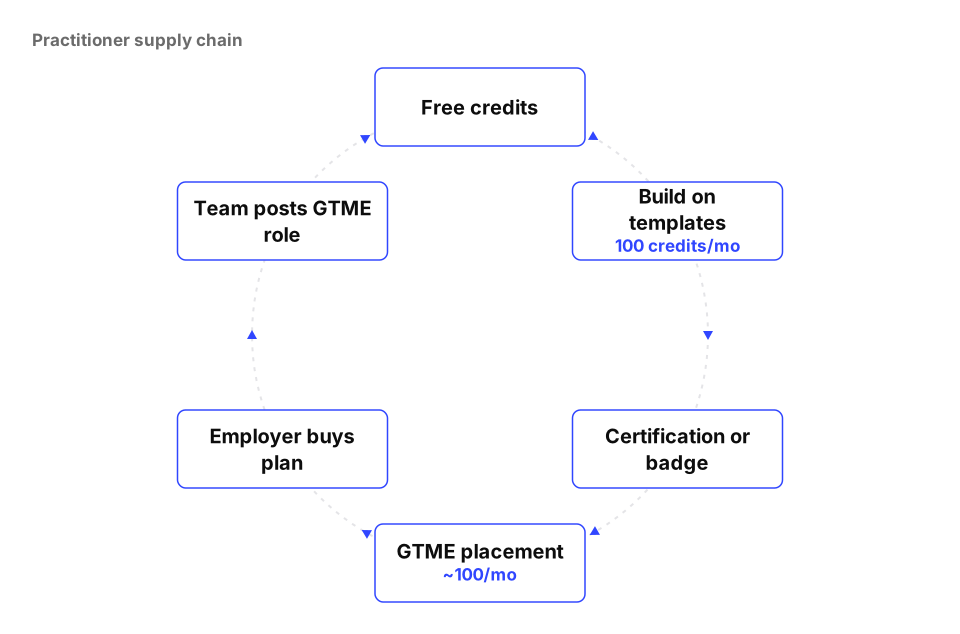
Three parts are not for sale at any price. The room in 2022 where somebody else's community handed Clay its buyer. A 20,000-member Slack that exists because a support contract was too expensive. And the job title the market adopted, which makes the other two worth anything and runs at roughly 100 postings a month.
The move I would not copy is the one most CMOs will reach for first, because it looks like the cheapest: launching a Creators affiliate programme before there is a community to recruit creators from. Clay's creators are alumni of a room that spent two years arguing about waterfalls. An affiliate scheme built before that room exists recruits coupon sites, holds their commission for 30 days and teaches the market that your product is a discount code.
So the number I am watching is monthly GTM engineer postings. The whole machine runs on job placement, and every programme in it converts through somebody else's payroll. I expect the postings to double to around 200 a month by the end of 2027. If the count flattens instead, the sequence of failure is already legible in the supply chain. The bootcamps go first, because a school cannot fund twelve weeks of 1-1 coaching against a job market that stopped growing. The ambassador class never converts, because a credit only becomes revenue when the person holding it gets hired. The tool would still be excellent. It would just have stopped manufacturing the person who buys it.
- A free tier scoped to the learner's project, with unlimited seats and the row cap doing the gating
- A two-sided referral paid in 3,000 credits to each party on conversion
- An affiliate programme on Rewardful with a 30-day pending period against refunds
- A student class paid in credits that renew each semester
- A template library built from the product's own working files
- A GTM engineering function run in two-week sprints, reporting to a founder
Full disclosure: I'm an investor in Clay.